Have you ever noticed how some products evolve quickly, while others take months to improve even after launch? The difference often lies in how efficiently teams can test, refine, and adapt their designs.
Product iteration is not just about making improvements. It is about how quickly those improvements can be identified and implemented. This is where manufacturing begins to play a much larger role. In many cases, delays in iteration are not caused by design limitations. They are caused by gaps in communication, slow validation processes, or rigid production systems. Over time, these gaps begin to slow down progress.
However, this equation begins to change for many organizations when they start working with local partners in plastics manufacturing in California. The entire process becomes more connected. Decisions move faster. Changes are implemented earlier. Products evolve with greater control. But how does this actually happen?
Close Collaboration Accelerates Decision-Making
Product iteration depends heavily on how quickly teams can respond to change. However, speed is not just about execution. It is about how well different functions stay aligned throughout the process.
In many development environments, design, engineering, and manufacturing operate in separate workflows. Each team moves forward based on its own priorities. This may seem structured. However, it often creates delays when decisions need to be revisited or refined.
The gap becomes visible when a change is required.
A design update may need engineering validation. That validation may depend on manufacturing feasibility. But making even a small adjustment can take time to move through the system when these functions are not closely connected.
This is where plastics manufacturing in California begins to change how iteration happens. There is a positive shift when teams operate within the same ecosystem because:
- Communication becomes more direct and immediate.
- Design intent can be reviewed alongside manufacturing constraints.
- Engineering feedback can be applied while the design is still evolving, not after it is finalized.
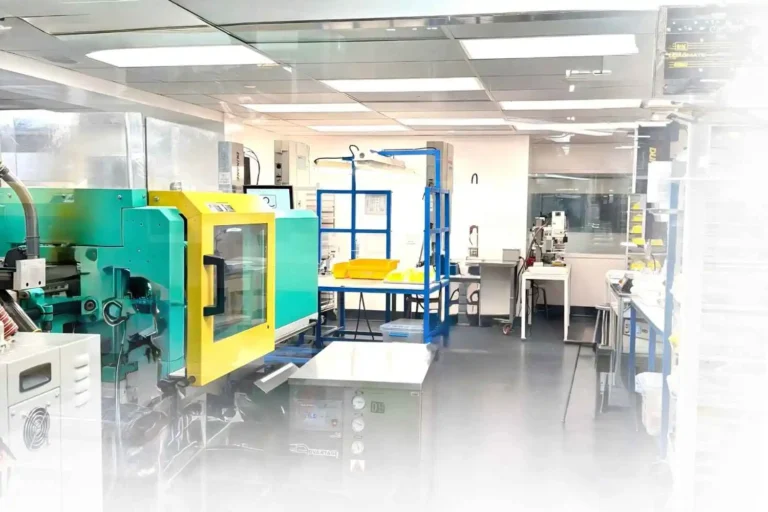
Local plastics manufacturing in California reduces the delay between decision and action. When this happens, teams do not have to wait for updates to be moved across disconnected teams. Instead, decisions can be made with full visibility. Moreover, changes are implemented faster because the people involved in those decisions are already aligned.
Over time, this creates a more responsive development process. Iteration becomes continuous, not delayed by coordination gaps.
Prototyping Capabilities Enable Faster Testing
Product iteration is only effective when ideas can be tested quickly. Without early validation, teams move forward based on assumptions. These assumptions often lead to revisions later, when changes become more difficult to implement.
This is where the delay begins to take shape.
In many cases, prototyping is treated as a separate stage. Teams wait for designs to be finalized before moving into tooling. This approach may seem structured. However, it slows down the feedback loop that iteration depends on. This limitation becomes clear when testing is delayed.
Design flaws are often not identified in time if prototypes are not made early. Issues related to fit, function, or manufacturability begin to surface only after tooling has started. At that point, even small corrections can affect both cost and timelines. This is where plastics manufacturing in California begins to support a different approach.
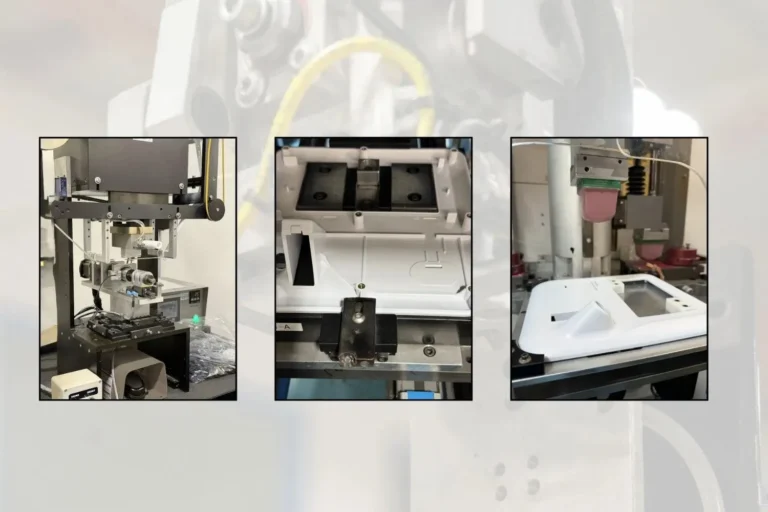
You don’t have to wait for full-scale tooling when you choose a local company that does plastics manufacturing in California. Such local manufacturers offer rapid and bridge tooling options that allow teams to test designs earlier in the process. This introduces a more flexible way of validating ideas before committing to production.
There is a clear shift when prototyping becomes part of the development flow:
- Designs can be evaluated in real-world conditions.
- Feedback is gathered while the product is still evolving.
- Adjustments can be made without disrupting the entire process.
Local plastics manufacturing in California allows these iterations to happen faster. Testing no longer delays progress. It becomes part of how progress is made. Over time, this changes how teams approach development.
This improves how organizations approach product development. Instead of relying on a single validation stage, teams move through multiple controlled iterations. Each step strengthens the design while reducing the risk of failure later.
Engineering Integration Reduces Rework
Rework is one of the most common reasons product iteration slows down. It is rarely caused by a single mistake. In most cases, it happens when issues are discovered too late, after key decisions have already moved forward. By that stage, changes are no longer simple.
A design adjustment may require tooling modifications. A material issue may affect part performance. What could have been resolved early now begins to impact both cost and timelines. This is where the problem begins to take shape.
In many development processes, engineering is brought in after critical decisions have already been made. Design for manufacturability is treated as a checkpoint rather than a continuous input. While this approach may seem efficient, it often creates gaps that only become visible during tooling.
The limitation becomes clear when teams are forced to react instead of plan. This is where working with local partners in plastics manufacturing in California begins to support a more integrated approach.
Local manufacturers allow engineering to be involved much earlier in the process. Design for manufacturability becomes part of how the product is developed, not something that is reviewed at the end. This allows teams to evaluate decisions in real time, while the design is still flexible.
There is a clear shift when engineering is integrated into the development flow:
- Potential risks are identified before they take shape.
- Simulation tools help validate design performance early.
- Engineering reviews guide decisions as the product evolves.
Local plastics manufacturing in California enables this level of collaboration. It brings design, engineering, and production closer together, allowing teams to move with better alignment.
This improves how organizations manage iteration. Instead of correcting issues later, teams refine designs as they move forward. This reduces rework, shortens development cycles, and leads to more predictable outcomes.
Flexible Manufacturing Supports Continuous Iteration
Product iteration does not end when production begins. In many cases, it continues as products are tested, refined, and improved over time. However, this is only possible when manufacturing systems can adapt quickly.
Rigid production models often limit this flexibility. Once production starts, making changes becomes difficult. In such situations, teams are forced to wait for larger production cycles. This slows down iteration and delays improvement. This is where working with local partners in plastics manufacturing in California begins to change how iteration happens.
Local manufacturers are better positioned to support both low-volume and high-volume production within the same system. This allows organizations to test updated designs without committing to large-scale runs. There is a clear shift when manufacturing becomes flexible because:
- Changes can be introduced without disrupting ongoing production.
- New versions can be tested in smaller, controlled batches.
- Design improvements can be implemented as the product evolves.
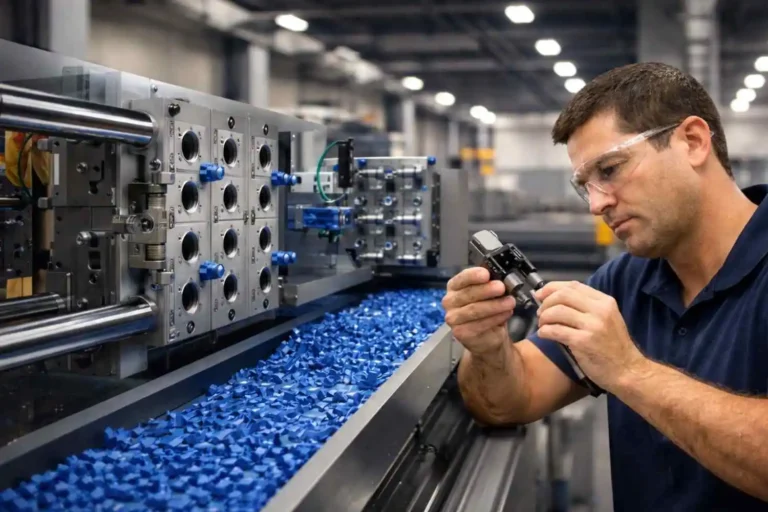
Local plastic injection molding in California enables this continuity. It allows teams to move from one iteration to the next without delay. This improves how products are developed over time. Instead of waiting to make changes, organizations can refine continuously. This keeps development aligned with real-world feedback while maintaining consistency in quality.
Nearshore Advantage Improves Speed and Control
Product iteration slows down when teams lose control over time and coordination. This often happens in global manufacturing setups, where distance creates delays that are difficult to manage.
- Communication takes longer.
- Updates move across time zones.
- Shipping timelines add another layer of uncertainty.
While each delay may seem small, together they begin to extend the entire development cycle. This is where the limitation becomes visible.
When teams are not closely connected to manufacturing:
- Responding to change becomes slower
- Design updates take longer to implement
- Issues are identified later than expected
- Iteration begins to lose momentum
This is where working with local partners in plastics manufacturing in California begins to change how iteration is managed. Many local manufacturers operate with nearshore support, particularly in Mexico. This creates a connected manufacturing model where production remains both accessible and efficient.
There is a clear shift when manufacturing moves closer to the development process. One may notice that:
- Communication becomes faster and more direct.
- Production updates are easier to track and manage.
- Changes can be implemented without extended delays.
Local and nearshore plastics manufacturing in California reduces the distance between decision and execution. Teams remain closely aligned with production, even as the process scales. This improves how organizations manage iteration. Instead of reacting to delays, teams stay in control of the process. This leads to faster adjustments, shorter development cycles, and more predictable outcomes.
Conclusion
Product iteration is not driven by speed alone. It depends on how well design, engineering, and manufacturing stay connected throughout the process. When these elements are aligned, iteration becomes faster, more controlled, and far more effective.
This is where working with local partners in plastics manufacturing in California makes a measurable difference. It brings teams closer, reduces delays, and allows continuous improvement without disrupting production.
At Craftech Plastics, this approach is built into how we operate. We integrate engineering, tooling, and manufacturing early. This helps organizations move through iterations with clarity, control, and confidence.
FAQs
1. What is rapid product iteration in manufacturing?
Rapid product iteration is the process of quickly testing, refining, and improving a product through multiple cycles before and after production. It helps reduce risk and improve final product performance.
2. How does plastics manufacturing in California support faster product development?
Local plastics manufacturing in California enables faster communication, quicker prototyping, and flexible production. This allows teams to test and implement changes without delays.
3. Why is local manufacturing important for product iteration?
Local manufacturing reduces lead times and improves collaboration between teams. This helps organizations respond to changes faster and maintain better control over product development.