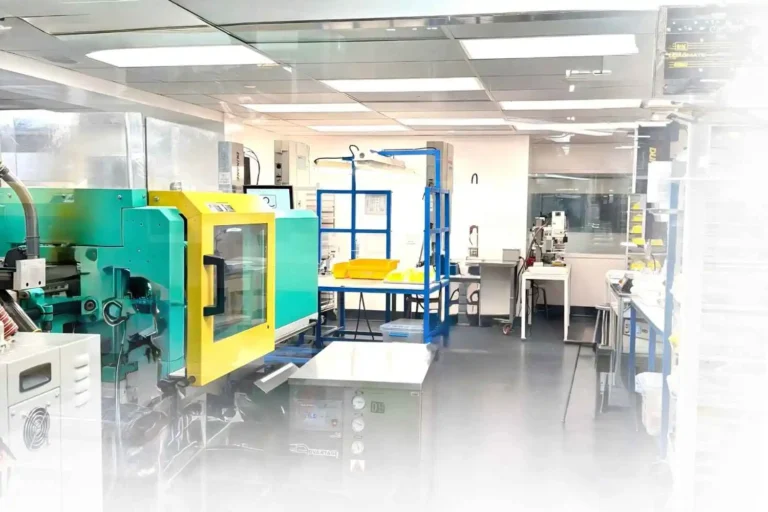
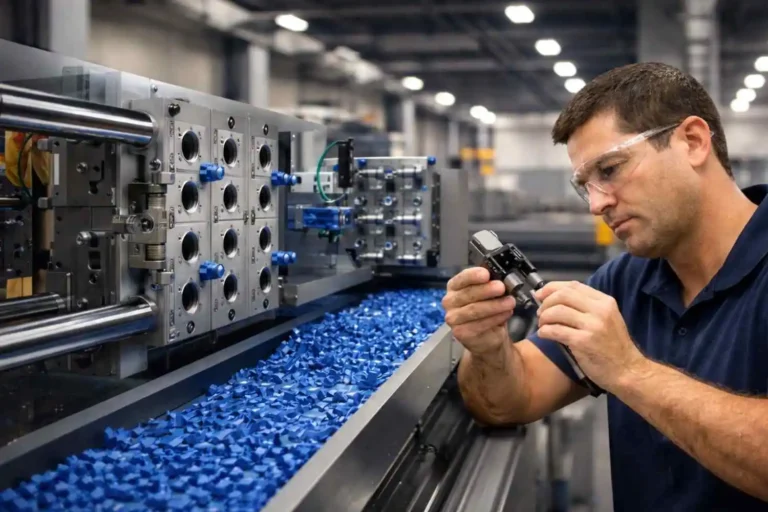
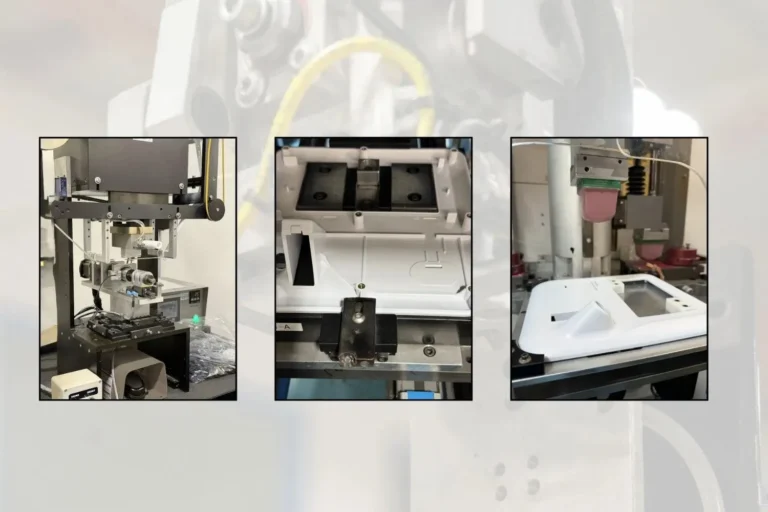
Decisions around injection molding are rarely as simple as they seem at the start. Many USA based companies begin with clear expectations around cost, timelines, and output. Everything appears manageable and well within control at that stage. However, challenges often begin to surface as the process moves forward.
Workforce limitations, cost pressures, and process control issues often start to influence operations in ways that were not fully considered earlier. These challenges are not always easy to anticipate. But prepared or not, they do build gradually and begin to affect how efficiently production can be managed. This is exactly what makes it important to understand them early.
In this article, we break down the key challenges associated with injection molding in California. We also explain how manufacturers offering injection molding in southern Mexico often address them.
Why Does Injection Molding in California Come with Unique Challenges?
1. Regulatory and Cost Pressures Shape Operations
Regulatory and cost pressures play a defining role in how injection molding operations are structured in California. They influence how facilities are set up, how processes are controlled, and how decisions are made. Over time, these pressures begin to shape both efficiency and overall production strategy.
Strict Environmental Regulations Increase Complexity
California has some of the most stringent environmental regulations in the United States. These regulations are designed to ensure safer operations, reduce emissions, and promote responsible material usage across manufacturing.
These regulations are important to create a more controlled and sustainable production environment. However, they also introduce additional layers of complexity because it compels manufacturers to continuously:
- Monitor processes
- Maintain detailed documentation
- Ensure that every stage of production aligns with compliance requirements
Even small deviations here can require corrective action. This further leads to affected timelines, increased operational effort, and adds to overall production costs.
High Energy and Operating Costs Affect Profitability
Injection molding is an energy-intensive process that depends on stable temperatures and continuous machine operation. This makes energy consumption a core part of day-to-day production.
But the challenge increases in California because electricity rates are higher here. Moreover, additional factors such as facility costs, equipment maintenance, and compliance-related expenses further add to overall operating costs.
These costs are necessary to maintain controlled and consistent production conditions. However, they also increase the cost of running each cycle. Over time, this begins to affect profitability because manufacturers have to continuously:
- Optimize process efficiency
- Manage energy consumption effectively
- Plan resources carefully to control costs
Even small inefficiencies here can increase operational expenses. This further impacts margins and makes it harder to maintain cost stability over time.
2. Workforce Challenges Affect Process Stability
Workforce challenges play a critical role in shaping how injection molding operations perform in California. Skilled labor and operational costs directly influence how consistently processes are managed and maintained over time.
Skilled Labor Shortage Limits Operational Efficiency
Injection molding depends heavily on experienced technicians who understand how materials behave and how molds perform. They also need skilled professionals who know how machines respond under different conditions. However, finding such skilled labor continues to be a challenge.
Experienced workers are constantly retiring, while fewer new technicians are entering the field. This can lead manufacturers to begin to face gaps in expertise and experience, challenges like:
- Inconsistent machine setups
- Slower troubleshooting and issue resolution
- Reduced process stability across production cycles
These gaps can lead to variations in output that tend to impact operations over time. This affects both efficiency and overall production reliability.
Costs Of High Labor Drives the Need for Automation
Labor costs in California are significantly higher compared to many other manufacturing regions. This adds another layer of pressure on operational efficiency. So, the manufacturers are increasingly turning to automation to manage this challenge.
They are choosing automation to support consistency and reduce dependency on manual processes. It allows production to run with greater stability, especially in repetitive tasks. However, this shift also comes with its own considerations. Not all automation tools give the same output, so manufacturers must carefully invest in the right automation systems.
That’s not all. Simply choosing automation is not enough. Manufacturers are required to integrate them carefully and properly with existing processes; failures lead to added costs. Moreover, such integration calls for training where teams are educated on how to operate and manage automated workflows. This again costs time and money.
So, automation does help manage labor-related challenges. However, it also requires planning and alignment to deliver long-term value.
3. Supply Chain and Tooling Constraints Slow Production
Supply chain and tooling factors play a significant role in how smoothly injection molding operations run. These elements influence how quickly production can begin and how consistently it can be maintained over time.
Tooling Costs and Lead Times Create Constraints
Tooling is a custom-built asset. Its cost depends on various things including the part design, required precision, and mold complexity. In many cases, operating conditions in California can further add to this cost through labor, compliance, and production requirements.
Lead time adds another layer to this challenge. The time required to design, manufacture, test, and approve a mold can extend depending on complexity and resource availability. Each stage depends on the previous one, which means delays tend to carry forward. This is where the constraint becomes visible.
- Production cannot move forward without tooling.
- Any delay in mold readiness directly pushes production timelines.
- At the same time, making changes becomes difficult and expensive once tooling is in progress.
Even small delays at this stage can affect the entire production schedule and limit flexibility for manufacturers.
Material Availability and Consistency Affect Output
Material selection plays a critical part in injection molding around California. It directly affects how the part performs and how it behaves during production. However, material availability and consistency can vary depending on sourcing conditions.
Changes in resin grades, supply delays, or inconsistencies in material quality can influence how the material flows and cools inside the mold. These variations are not always visible immediately but begin to affect production over time. They can impact flow behavior, cooling rates, and overall part quality.
How Do Injection Molding Manufacturers In Southern Mexico Overcome These Challenges?
1. Process Control and Monitoring Improve Stability
Manufacturers offering injection molding in Southern Mexico maintain stability through strong process control. They continuously monitor parameters such as temperature, pressure, and cycle time to identify variation early and correct it before it affects production.
They are able to do this by building processes around consistency from the start, with systems and teams aligned to respond quickly. This allows them to maintain stable output while improving both quality and efficiency across production runs.
2. Design Optimization Reduces Defect Risk
Manufacturers offering injection molding in southern Mexico reduce defect risk by aligning design with production from the very beginning. They develop part geometry to support uniform flow, balanced cooling, and consistent filling.
They are able to do this by integrating design and manufacturing decisions early in the process. This ensures that parts are not only functional but also manufacturable. Their strategy helps reduce defects and maintain reliable performance across production runs for injection molding in Southern Mexico.
3. Workforce Training Strengthens Production Quality
Manufacturers offering injection molding in southern Mexico maintain production quality through skilled and well-trained teams. They ensure operators understand material behavior, tooling performance, and how machines respond under different conditions.
They are able to do this by focusing on practical training and process familiarity. This allows teams to:
- Respond effectively during production
- Maintain consistency across cycles
- Support stable, high-quality output
4. Strategic Planning Helps Manage Cost and Supply Risk
Manufacturers offering injection molding in southern Mexico manage cost and supply challenges through structured planning. They align production schedules, sourcing strategies, and logistics to maintain efficiency while controlling costs.
They are able to do this by leveraging proximity to key markets and maintaining flexible operations. This allows them to:
- Adapt to changing demand,
- Maintain better control over timelines
- Support consistent production without unnecessary delays
Conclusion
Understanding these challenges is essential for any company looking to maintain control over cost, quality, and timelines in injection molding. After all the truth is that things that seem manageable in the beginning can become more complex as operations progress. This is why preparation matters.
Manufacturers offering injection molding in Mexico already account for these realities. They build processes around control, planning, and adaptability, allowing them to manage challenges before they affect production. However, not every manufacturer is equipped to do this effectively.
But you don’t have to worry about such problems when you have the right partner offering injection molding in Southern Mexico. Crafttech has a team of experienced professionals that approach these challenges with structure, clarity, and proven execution. We are known to help businesses maintain stability while scaling production with confidence. Contact us to know more.
FAQs
1. What Types of Manufacturing Operations Are Allowed in Mexico?
Mexico allows a wide range of manufacturing operations, especially under programs like IMMEX. These include automotive, electronics, aerospace, medical devices, plastics, and general assembly.
2. What Are the 5 Types of Molding?
The five common types of molding are injection molding, blow molding, compression molding, rotational molding, and extrusion molding. Each of these molding methods is used based on material type, part design, and production requirements.
3. What Are the 4 Steps of Injection Molding?
The four main steps to injection molding include clamping, injection, cooling, and ejection. The mold is first closed, molten material is injected, the part is cooled and solidified, and finally ejected from the mold.