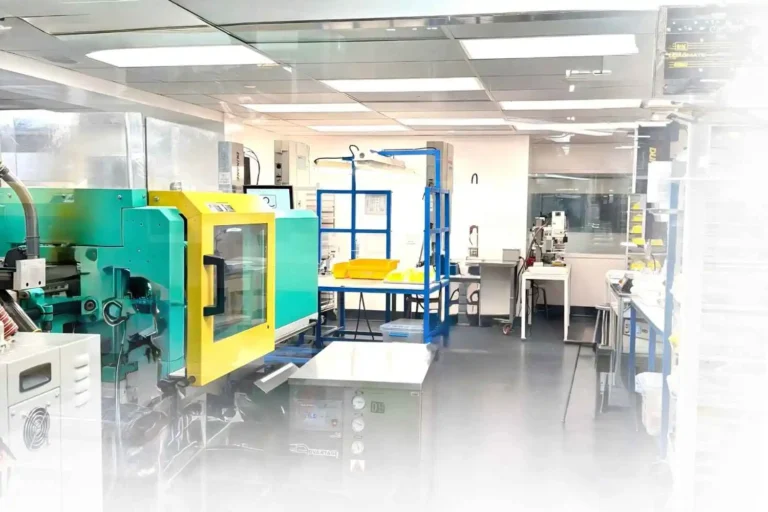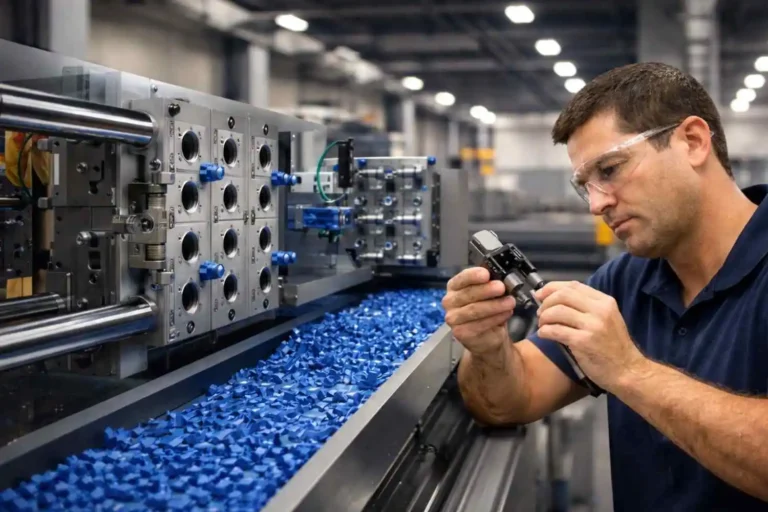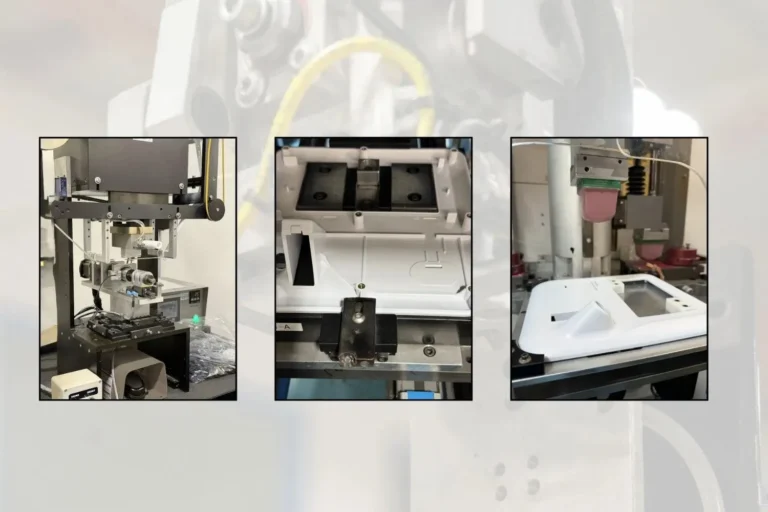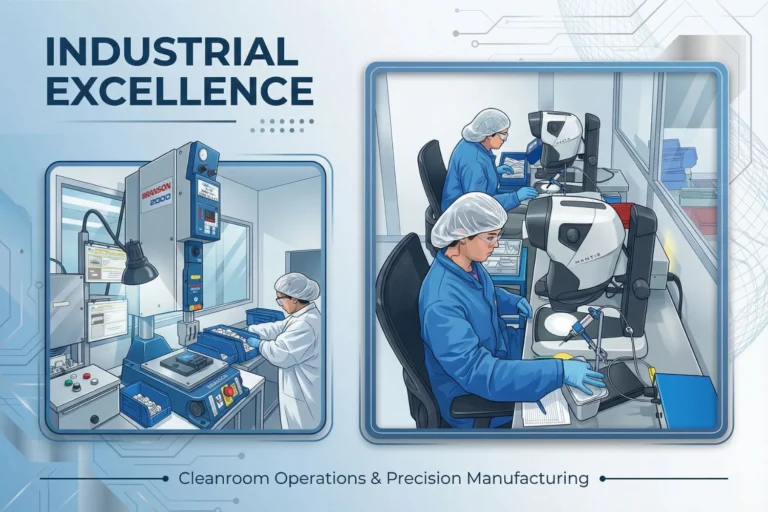
Modern manufacturing industries often depend heavily on speed, scalability, and production consistency. This is one of the reasons why high volume injection molding in Dallas continues gaining attention across automotive, industrial, medical, and consumer manufacturing operations.
But how does high volume injection molding actually work? More importantly, what makes it different from standard manufacturing processes? This article explains how high volume manufacturing supports larger production runs and maintains production consistency. We also look at ways it helps manufacturers to build more stable and efficient production environments.
What Is High Volume Injection Molding?
High volume injection molding is a manufacturing process used to produce large quantities of identical plastic components quickly and consistently. The process involves injecting molten plastic into a mold cavity, where it cools and solidifies into the required shape.
The overall process may look similar to standard injection molding at first. However, high volume manufacturing is specifically designed to support much larger production quantities across continuous manufacturing runs.
Production volumes in many high volume injection molding operations across Dallas can vary depending on the manufacturer and industry requirements. These production runs may, in fact, involve 100,000 to several million components annually.
Why Do Manufacturers Use High Volume Injection Molding?
Manufacturers use high volume injection molding in Dallas because this type of manufacturing process supports faster, more scalable, and more cost-efficient production environments.
Manufacturing operations often become much harder to manage as production quantities continue increasing. Larger production runs can place more pressure on production speed, consistency, and overall manufacturing efficiency. This is where high volume manufacturing becomes especially valuable.
Using high volume injection molding in Dallas offers several advantages to manufacturers. These include:
-
Lower Unit Costs
High volume manufacturing helps reduce cost per unit across larger production runs. This becomes especially valuable for manufacturers managing continuous production demands.
-
Faster Production Cycles
High volume manufacturing environments are designed to support faster and more repeatable production operations. This helps improve overall manufacturing efficiency over time.
-
Better Production Consistency
Repeatable manufacturing conditions help manufacturers maintain more consistent part quality across large production runs. This becomes extremely important in precision-driven manufacturing industries.
-
Improved Scalability
High volume production systems are designed to support growing manufacturing demands more efficiently. Manufacturers can increase production quantities without creating unnecessary operational instability.
-
Reduced Operational Variation
Controlled production environments help reduce unnecessary manufacturing variation during production operations. his helps manufacturers maintain more stable and predictable production performance across long manufacturing runs.
How Does High Volume Injection Molding Maintain Production Consistency?
High volume injection molding maintains production consistency through controlled manufacturing conditions, repeatable production cycles, and stable production systems.
Manufacturers often rely on several systems to maintain production consistency across larger manufacturing runs. They rely on the following systems to support more stable and repeatable production conditions throughout manufacturing operations:
-
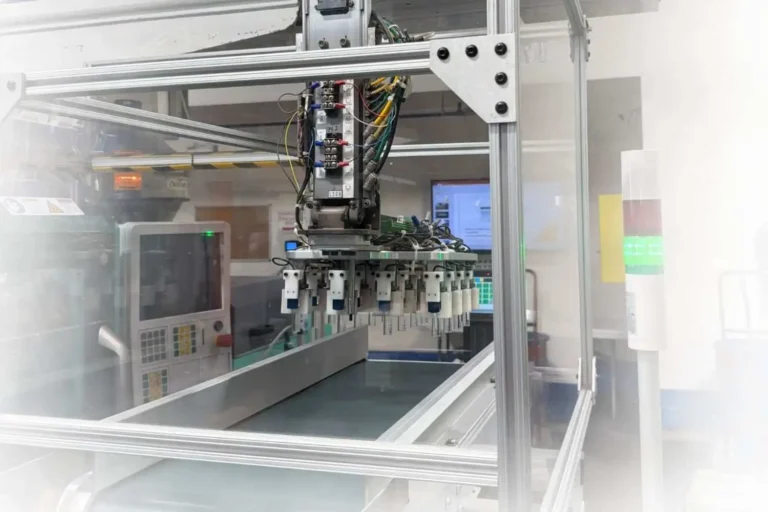
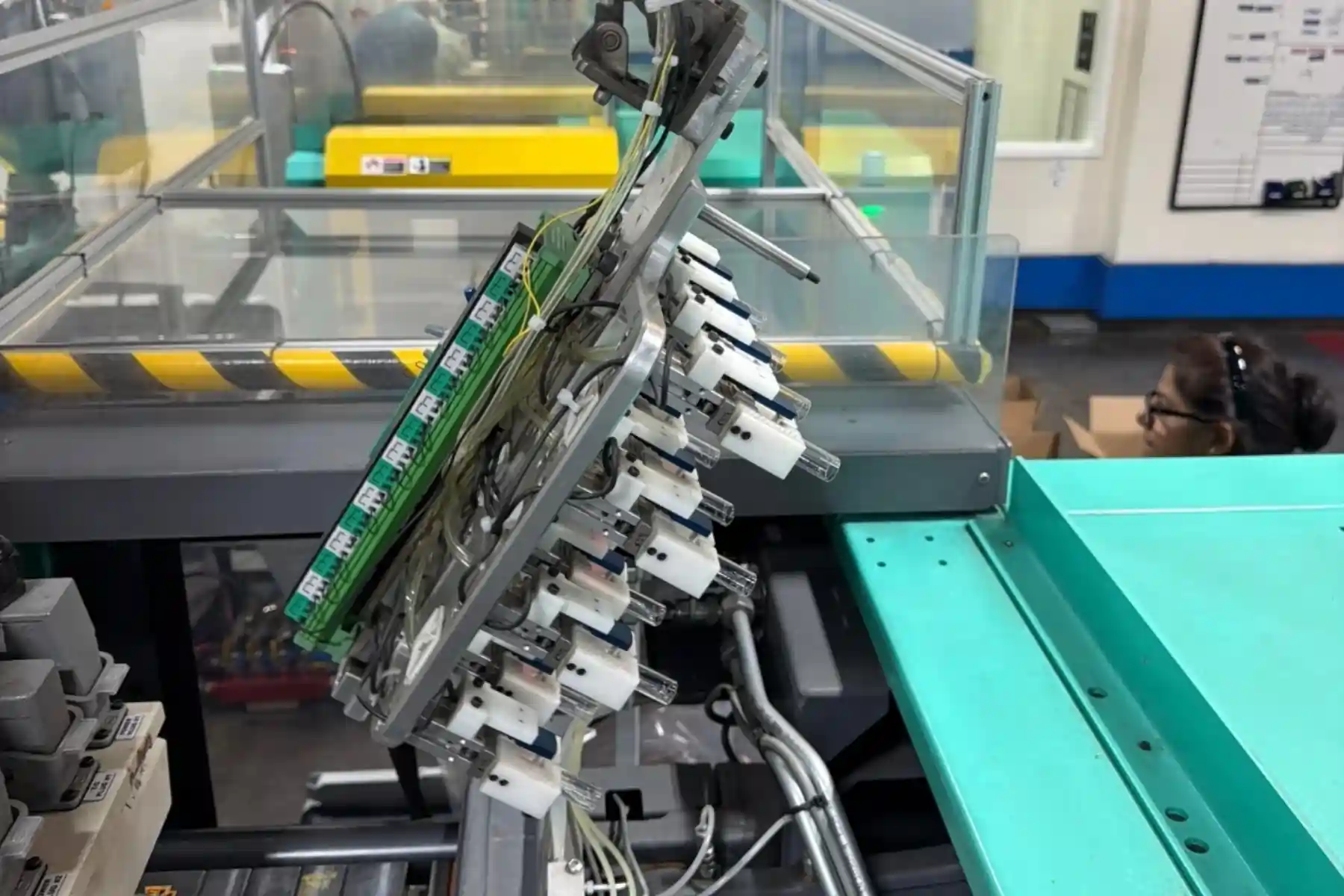
Automated Part Removal Systems
Automated part removal systems help maintain more repeatable production cycles throughout high volume injection molding operations. Reducing unnecessary handling variation helps manufacturers maintain more consistent production conditions over time. This also improves overall production consistency across larger manufacturing runs.
-
Process Monitoring Systems
Process monitoring systems help manufacturers identify production inconsistencies much earlier during high volume manufacturing operations in Dallas. Early variation detection improves overall production control across larger manufacturing runs.
-
Automated Material Handling Systems
Automated material handling systems help reduce unnecessary manual variation throughout high volume injection molding operations. More controlled handling conditions also support stable manufacturing performance across continuous production runs.
-
Real-Time Production Monitoring Systems
Real-time production monitoring systems improve operational visibility throughout high volume manufacturing operations in Dallas. Manufacturers can respond faster to production inconsistencies before they begin affecting larger production volumes.
How Is High Volume Tooling Different From Standard Tooling?
High volume tooling is specifically designed to support larger production quantities across long manufacturing runs. Standard tooling may support shorter or lower-volume production requirements. High volume tooling, on the other hand, must maintain stable and repeatable manufacturing performance across continuous production operations.
This is one of the reasons why high volume injection molding in Dallas often depends on more durable and precision-driven tooling systems. High volume tooling also differs from standard tooling in several important ways:
-
Higher Cavitation Molds
High volume tooling often uses higher cavitation molds to produce multiple components during one production cycle. This helps manufacturers support faster production across larger manufacturing volumes.
-
More Durable Tooling Systems
High volume tooling is designed to withstand continuous production demands across long manufacturing runs. More durable tooling systems also help reduce unnecessary production interruptions over time.
-
Advanced Cooling Systems
High volume tooling often includes more advanced cooling systems to maintain stable molding conditions during continuous production operations. Stable cooling conditions also help reduce unnecessary production variation.
-
Greater Tooling Precision
High volume tooling generally requires tighter tooling precision to maintain more consistent part quality across large production runs. This becomes especially important in precision-driven manufacturing industries.
What Industries Commonly Use High Volume Injection Molding?
High volume injection molding is commonly used across industries that depend heavily on repeatability, scalability, and production consistency.
Industries that often rely on injection molding services in Dallas include:
-
Automotive Manufacturing:
Automotive manufacturing industries often use high volume injection molding for interior, exterior, and under-the-hood components.
-
Medical Manufacturing:
Medical manufacturers commonly depend on high volume production for disposable and precision-driven medical components.
-
Industrial Manufacturing:
Industrial manufacturing operations frequently use injection molding for housings, connectors, and other production components.
-
Consumer Product Manufacturing:
Consumer product manufacturers often use high volume manufacturing for packaging, appliances, and everyday plastic components.
-
Electronics Manufacturing:
Electronics manufacturing companies often depend on precision injection molding for plastic enclosures and internal electronic components.
These industries often require stable and scalable production environments. High volume injection molding in Dallas helps support this through more controlled and repeatable manufacturing operations. This also helps manufacturers maintain more consistent production performance across larger production volumes.
What Should Companies Look For In A High Volume Injection Molding Partner?
Companies should look for manufacturing partners that can support stable, scalable, and automation-driven production environments.
High volume manufacturing depends heavily on consistency and operational reliability across long production runs. This is why manufacturers evaluating high volume injection molding in Dallas often prioritize companies with strong tooling expertise, automation capability, and stable production systems.
Reliable Manufacturing Partners Should Support:
- Scalable Manufacturing Operations across growing production demands
- Advanced Tooling Expertise for long-term production stability
- Automation-Driven Manufacturing Systems that improve consistency and efficiency
- Strong Process Control Systems that reduce unnecessary production variation
- Reliable Operational Performance across large manufacturing environments
Are you looking for a reliable partner offering high volume injection molding in Dallas? Crafttech Plastics is among the companies helping manufacturers maintain more stable, scalable, and efficient production environments. Our focus remains on process consistency, modern production systems, and long-term manufacturing reliability. Reach out to our team today!
FAQs
What are the 5 types of molding?
The five common types of molding include injection molding, blow molding, compression molding, rotational molding, and extrusion molding.
What is the 2K process?
The 2K process combines two different materials or colors into one component during a single molding cycle. Manufacturers often use the 2K process to improve durability, functionality, or product appearance.
What is a 3 plate mold?
A 3 plate mold uses three separate mold plates instead of a standard two-plate design. 3 plate mold helps support automatic runner separation and more flexible gate placement during molding operations.