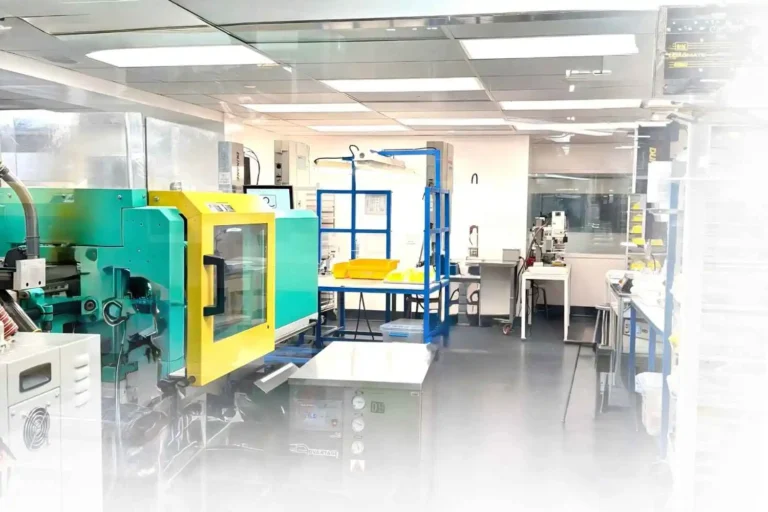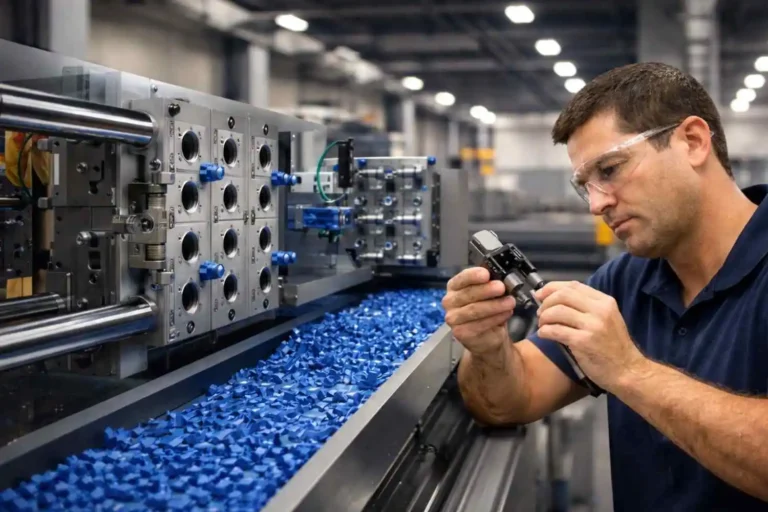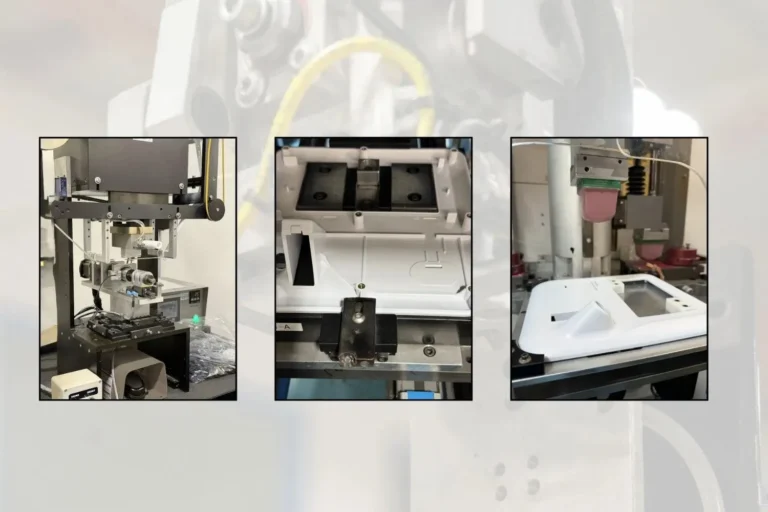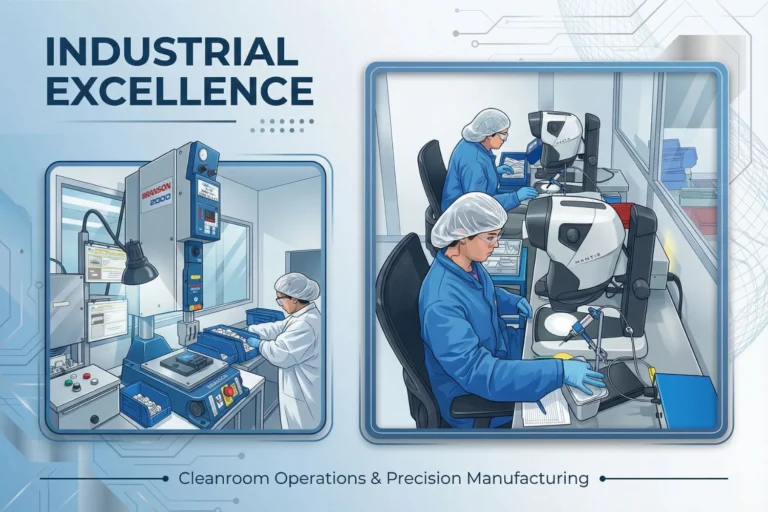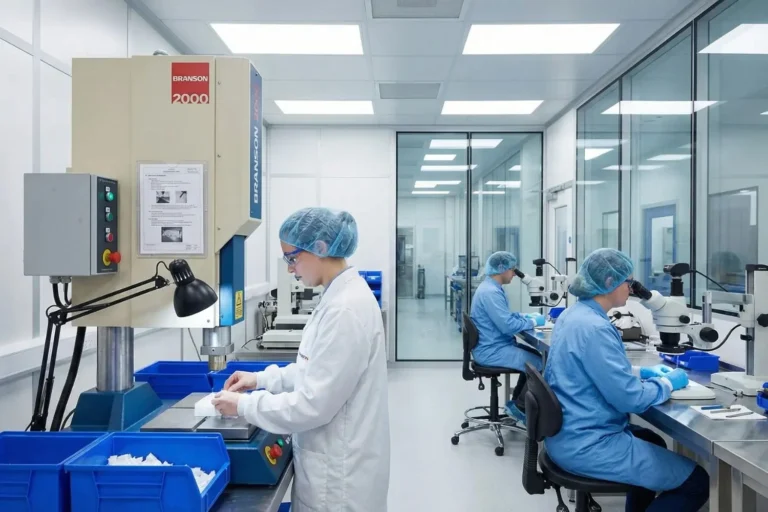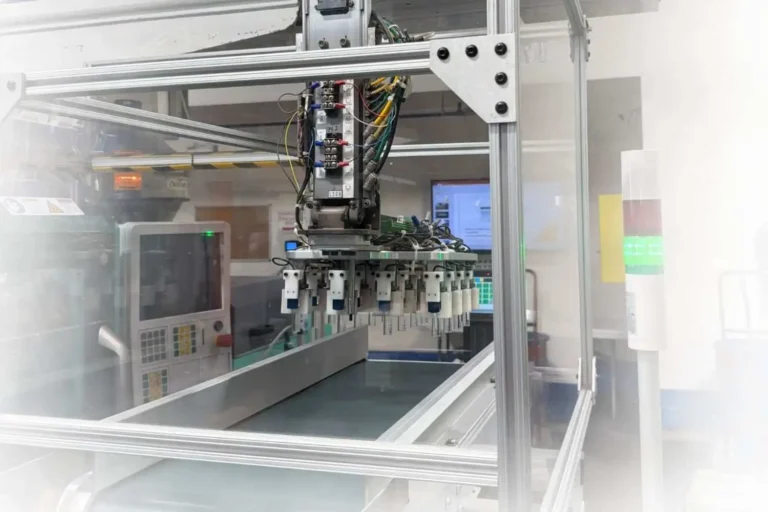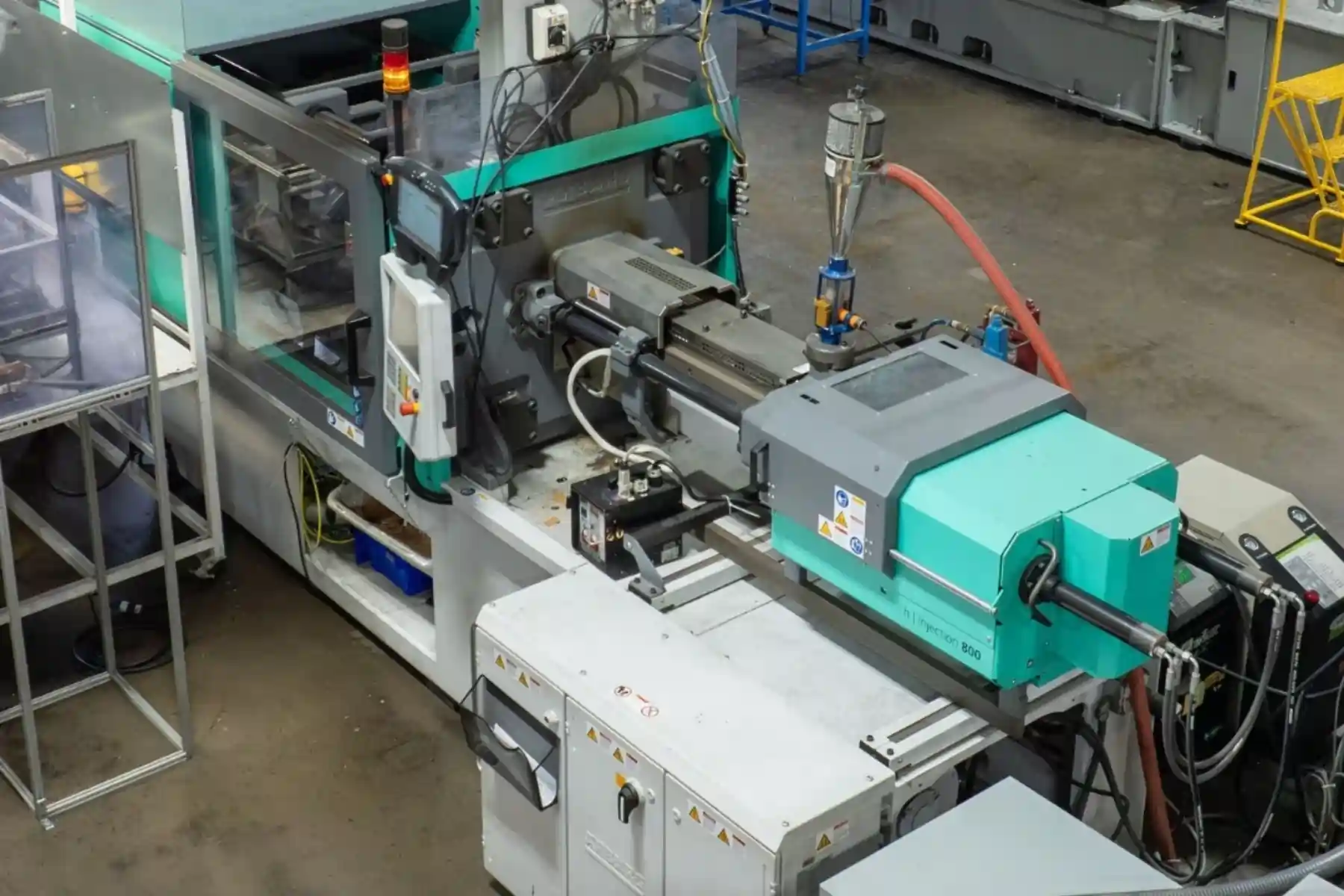
Manufacturers today face increasing pressure to create products that are lighter, stronger, more durable, and cost-efficient. This growing demand has accelerated the evolution of materials used in plastic injection molding in Chicago services, especially across industries such as medical, automotive, electronics, aerospace, and industrial manufacturing. Modern injection molding is no longer limited to standard plastics. Advanced engineered materials now enable manufacturers to achieve greater precision, enhanced performance, and long-term reliability in highly demanding applications.
As manufacturing standards continue to rise, companies in Chicago are increasingly adopting innovative plastic materials to stay competitive, improve production efficiency, and meet strict industry requirements.
The Growing Demand for Advanced Injection Molding Materials
Plastic injection molding has evolved significantly over the past decade. While traditional thermoplastics are still widely used, modern manufacturing increasingly relies on engineered polymers and high-performance resins that offer enhanced mechanical and thermal properties.
Industries now require materials capable of withstanding:
- High temperatures
- Chemical exposure
- Heavy mechanical stress
- Electrical conductivity requirements
- Moisture and corrosion resistance
- Tight-tolerance manufacturing
This is why advanced material selection has become one of the most critical factors in successful injection molding production.
Why Material Selection Matters in Injection Molding
Selecting the right material directly affects:
- Product durability
- Manufacturing efficiency
- Production costs
- Surface finish quality
- Structural integrity
- Regulatory compliance
A poor material choice can lead to product failure, warping, cracking, or increased manufacturing expenses. In contrast, the right engineered polymer can significantly improve product lifespan and operational performance.
Many businesses using plastic injection molding in Chicago solutions now prioritize material engineering during the early design phase to prevent production challenges later in the process.
Common Advanced Materials Used in Injection Molding
ABS (Acrylonitrile Butadiene Styrene)
ABS remains one of the most widely used engineered plastics because of its excellent balance of strength, impact resistance, and affordability.
Key Benefits:
- Strong and lightweight
- Excellent surface finish
- Good dimensional stability
- Easy machinability
Common Applications:
- Automotive interiors
- Consumer electronics
- Industrial housings
- Medical device components
ABS is particularly suitable for manufacturers that require durable products with a clean, professional appearance.
Polycarbonate (PC)
Polycarbonate is known for its exceptional impact resistance and optical clarity. It performs especially well in applications where both strength and transparency are essential.
Key Benefits:
- High heat resistance
- Superior toughness
- Optical transparency
- Excellent dimensional stability
Common Applications:
- Medical equipment
- Safety shields
- Electronic enclosures
- Automotive lighting systems
This material is frequently selected for advanced plastic injection molding in Chicago projects that require both precision and durability.
Nylon (Polyamide)
Nylon is a high-performance thermoplastic commonly used for industrial and mechanical applications because of its excellent wear resistance and mechanical strength.
Key Benefits:
- High tensile strength
- Excellent wear resistance
- Low-friction properties
- Strong chemical resistance
Common Applications:
- Gears and bearings
- Industrial machine parts
- Automotive components
- Electrical connectors
Glass-filled nylon variants offer even greater structural performance for demanding industrial environments.
PEEK (Polyether Ether Ketone)
PEEK is considered one of the most advanced engineering thermoplastics available today. Although it is more expensive than standard materials, it delivers exceptional performance under extreme conditions.
Key Benefits:
- Outstanding thermal resistance
- Exceptional chemical resistance
- High mechanical strength
- Biocompatibility
Common Applications:
- Aerospace components
- Medical implants
- Semiconductor equipment
- Oil and gas applications
PEEK is commonly used in industries where product failure is not an option.
Polypropylene (PP)
Polypropylene remains one of the most commonly used materials in high-volume manufacturing because of its versatility and cost-effectiveness.
Key Benefits:
- Lightweight
- Moisture resistant
- Chemical resistant
- Flexible and durable
Common Applications:
- Packaging products
- Automotive parts
- Medical containers
- Consumer goods
Many manufacturers rely on polypropylene for cost-effective production without sacrificing reliability or performance.
The Role of Reinforced and Composite Materials
Modern injection molding has expanded beyond standard plastics. Reinforced materials now provide significantly improved structural performance and durability.
Glass-Filled Plastics
Glass fibers are added to materials such as nylon and polypropylene to improve:
- Rigidity
- Strength
- Dimensional stability
- Heat resistance
These materials are commonly used in automotive and industrial applications where enhanced durability is essential.
Carbon Fiber Reinforced Plastics
Carbon-filled polymers provide:
- Exceptional stiffness
- Reduced weight
- Superior structural integrity
These materials are widely used in aerospace, robotics, and advanced engineering applications.
The growing use of reinforced polymers has significantly expanded the capabilities of plastic injection molding in Chicago manufacturers serving highly technical industries.
High-Temperature Materials for Industrial Manufacturing
Certain industries require materials capable of withstanding extreme operating environments.
Popular High-Temperature Resins Include:
- PEEK
- PPS (Polyphenylene Sulfide)
- PEI (Ultem)
- LCP (Liquid Crystal Polymer)
These materials provide:
- Thermal stability
- Flame resistance
- Chemical resistance
- Electrical insulation properties
High-temperature thermoplastics are critical for aerospace, electronics, and medical manufacturing sectors where reliability is essential.
Sustainable Materials in Modern Injection Molding
Sustainability has become a major priority in modern manufacturing. Many companies are now shifting toward eco-friendly materials and recyclable plastics to reduce environmental impact.
Sustainable Material Trends Include:
- Recycled thermoplastics
- Bio-based polymers
- Regrind material integration
- Lightweight material engineering
These solutions help reduce:
- Material waste
- Production costs
- Environmental impact
Manufacturers that adopt sustainable practices can also strengthen their brand reputation while meeting evolving environmental regulations.
The Impact of Smart Material Engineering
Material innovation is now closely connected with smart manufacturing technologies. Engineers can simulate material performance before production begins, helping reduce defects and improve manufacturing efficiency.
Advanced software allows manufacturers to analyze:
- Heat flow
- Material shrinkage
- Stress distribution
- Mold-filling performance
This data-driven approach improves consistency and ensures more reliable production outcomes.
Companies investing in modern plastic injection molding in Chicago capabilities are increasingly integrating advanced material science with automated manufacturing systems.
Industries Benefiting from Advanced Injection Molding Materials
Automotive Industry
Advanced plastics help reduce vehicle weight while maintaining structural integrity and improving fuel efficiency.
Medical Industry
Medical-grade polymers provide sterilization compatibility, precision, and biocompatibility for critical healthcare applications.
Electronics Industry
High-performance plastics improve insulation, durability, and heat resistance in electronic devices and components.
Aerospace Industry
Lightweight composite materials contribute to improved aircraft efficiency and overall performance.
Industrial Manufacturing
Engineered plastics enhance machinery durability, efficiency, and long-term operational reliability.
Future Trends in Injection Molding Materials
The future of injection molding is increasingly focused on innovation, sustainability, and performance optimization.
Emerging trends include:
- Smart polymers
- Conductive plastics
- Self-healing materials
- Advanced lightweight composites
- Biodegradable engineering plastics
As industries continue to evolve, material science will play a critical role in shaping the next generation of manufacturing technologies.
Manufacturers that embrace advanced material innovation can gain significant competitive advantages in product quality, production efficiency, and long-term scalability.
Conclusion
Innovation in materials is transforming the future of manufacturing faster than ever before. From high-performance engineered polymers to sustainable composite solutions, advanced plastics are helping industries achieve greater precision, durability, and efficiency in modern production environments. Businesses that invest in advanced material technologies can benefit from stronger products, reduced operational costs, and improved long-term scalability.
As manufacturing demands continue to evolve, partnering with an experienced Chicago molding company becomes essential for achieving consistent quality, technical expertise, and reliable production success in today’s highly competitive market.
FAQs
1. What are advanced materials in plastic injection molding?
Advanced materials are engineered plastics designed to offer superior strength, heat resistance, durability, and chemical resistance compared to standard plastics.
2. Why is material selection important in injection molding?
Material selection directly affects product quality, durability, manufacturing efficiency, and overall production costs.
3. Which industries use advanced injection molding materials?
Industries such as automotive, medical, aerospace, electronics, and industrial manufacturing rely heavily on advanced injection molding materials.
4. What is the most durable injection molding material?
PEEK is considered one of the most durable and high-performance thermoplastics used in injection molding applications.
5. Are sustainable plastics used in injection molding?
Yes, many manufacturers now use recyclable and bio-based plastics to support environmentally responsible manufacturing practices.