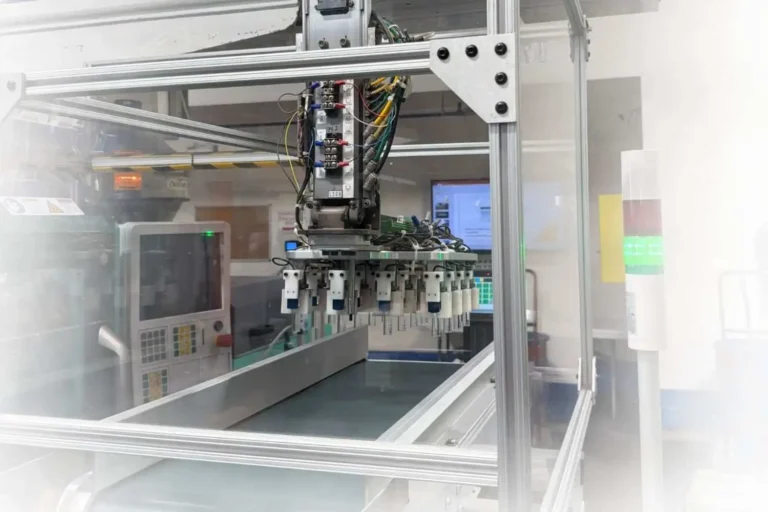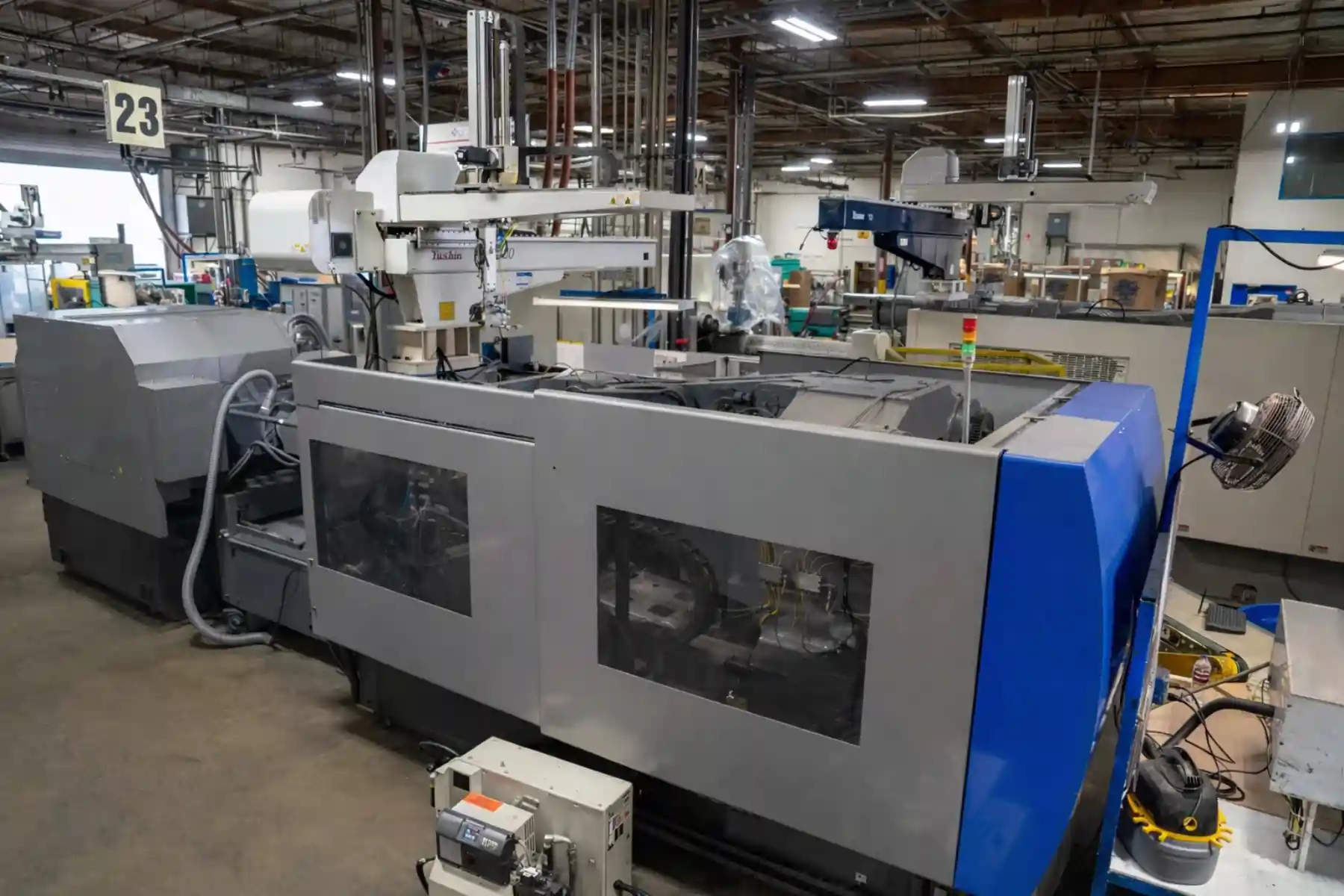
The automotive industry is changing rapidly. Vehicle manufacturers today are expected to build products that are lighter, smarter, and more efficient than ever before. These changing expectations have transformed not only how vehicles are designed but also how they are manufactured.
Older vehicles relied on simpler assemblies and fewer integrated components. Modern vehicles are, however, very different. They contain thousands of individual components, each designed to perform a specific function while working seamlessly with the rest of the vehicle. Every one of these components must further meet demanding standards for performance, durability, and manufacturing consistency.
This growing level of complexity has raised the expectations put on manufacturing processes. Automotive companies now need production methods that can support evolving designs while maintaining quality across large production volumes. This shift is one of the key reasons automotive injection molding in Dallas continues to gain importance across the industry. But what makes the process such a valuable manufacturing solution? Let’s take a closer look.
Why Has Automotive Manufacturing Changed?
The priorities of the automotive industry have evolved a lot over the years. Manufacturers today are expected to produce vehicles that deliver better performance, improved efficiency, enhanced safety, and greater reliability. That’s not all. They are supposed to deliver all this while responding to changing market expectations and advancing technology.
Meeting these expectations has transformed the way automotive components are designed. Several important changes have reshaped modern vehicle manufacturing and continue to influence how components are developed and produced today.
Component Design Has Become More Integrated
Automotive manufacturing companies are no longer producing individual parts that perform a single function. These manufacturers are instead developing automotive components that integrate multiple features into a single design. This approach helps reduce assembly complexity while supporting more efficient vehicle production.
Material Selection Has Become More Strategic
The materials used throughout modern vehicles have also changed. Many manufacturers now replace heavier materials with advanced engineering plastics that help reduce overall vehicle weight without compromising functional performance. This shift contributes to improved fuel economy in conventional vehicles while supporting extended driving range in electric vehicles.
The growing adoption of electric vehicles has further accelerated this transition. Battery systems, electrical components, and advanced technologies have introduced new design requirements for automotive components. Automotive manufacturers now need materials that are lightweight, durable, and capable of delivering reliable long-term performance under demanding operating conditions.
Manufacturing Expectations Continue to Evolve
The shift toward integrated automotive component designs and advanced vehicle technologies has created new challenges in the automotive manufacturing industry. Production processes must now support more intricate component designs and tighter engineering requirements. At the same time, they must maintain consistent quality across large production volumes without introducing unnecessary variation.
Selecting the right manufacturing process has become just as important as the product design itself as these expectations continue to evolve. This is one of the key reasons automotive injection molding in Dallas continues to gain importance across the automotive industry.
But what exactly makes the automotive plastic molding process such a strong fit for modern vehicle manufacturing? Let’s explore that next.
What Makes Automotive Injection Molding an Ideal Fit for Modern Vehicle Manufacturing?
The automotive industry has evolved significantly over the years, and manufacturing processes have had to evolve alongside it. Today’s production methods must support integrated component designs, advanced engineering materials, and large-scale manufacturing while maintaining the quality expected from modern vehicles.
This is where automotive injection molding in Dallas has become an increasingly valuable manufacturing solution. Rather than solving a single manufacturing challenge, the process supports several evolving requirements that continue to shape the future of automotive production.
Lightweight Components Support Better Vehicle Performance
Reducing vehicle weight has become a major focus across the automotive industry. Lighter vehicles improve fuel economy, enhance overall efficiency, and help electric vehicles maximize battery performance and driving range. Manufacturers are therefore constantly looking for opportunities that can help reduce unnecessary weight without compromising durability or functionality.
Automotive precision molding supports this objective by producing lightweight plastic components that replace heavier alternatives in many applications. Combined with advanced engineering plastics, the process helps manufacturers improve vehicle efficiency while maintaining dependable component performance.
Integrated Component Designs Simplify Vehicle Assembly
Modern automotive components are expected to perform more than one function. Manufacturers are no longer designing parts that serve a single purpose. They are increasingly developing components that combine multiple functional features into one design. This approach helps reduce the number of individual parts required during vehicle production. It also simplifies assembly while creating more efficient manufacturing workflows.
Automotive injection molding in Dallas supports these integrated designs by producing intricate geometries with a high level of manufacturing accuracy. This allows manufacturers to bring complex component designs into production more efficiently while maintaining dependable quality.
Advanced Engineering Materials Support Demanding Applications
Every automotive component operates under different conditions. Some must withstand continuous heat under the hood, while others are exposed to chemicals, vibration, moisture, or mechanical stress throughout their service life. Selecting the right material has therefore become an important part of automotive product development.
Automotive precision molding supports a wide range of engineering thermoplastics and automotive-grade polymers that deliver heat resistance, chemical resistance, dimensional stability, and long-term durability. This allows manufacturers to produce components that meet demanding performance requirements across diverse automotive applications.
Repeatable Manufacturing Supports Large-Scale Vehicle Production
Producing one high-quality automotive component is only part of the challenge. Automotive manufacturers must produce thousands of identical components while maintaining the same engineering standards throughout every production cycle. Even minor variation can affect assembly quality and overall manufacturing efficiency.
Automotive injection molding supports highly controlled and repeatable manufacturing processes that help minimize variation across large production volumes. This level of consistency allows manufacturers to maintain dependable quality while supporting the demands of modern automotive production.
Production Efficiency Supports Modern Manufacturing Operations
Automotive manufacturing depends on efficient production workflows. Reducing unnecessary assembly steps, minimizing secondary operations, and maintaining stable production cycles all contribute to greater operational efficiency and improved manufacturing performance.
Automotive injection molding supports these objectives by enabling scalable production with consistent process control. Manufacturers can produce complex automotive plastic components more efficiently while maintaining the quality and reliability expected throughout modern vehicle manufacturing.
Automotive Components Commonly Manufactured Through Injection Molding
The manufacturing advantages discussed above make automotive injection molding suitable for producing a wide variety of automotive plastic components. From interior assemblies to functional vehicle systems, the process supports components used throughout modern vehicle production.
Some of the most commonly manufactured automotive plastic components include:
- Dashboard Components
- Interior Trim Components
- Air Vents
- Electrical Connectors
- Sensor Housings
- Lighting Components
- Mirror Housings
- Under-the-Hood Brackets
- Cable Management Components
The applications of these components may vary from one vehicle system to another. However, the need for reliable manufacturing remains constant across them all. This is why choosing the right production process is only part of the equation. Choosing the right manufacturing partner matters just as much.
Choosing the Right Manufacturing Partner Matters Just as Much as Choosing the Right Process
Selecting the right manufacturing process is an important step toward producing reliable automotive components. However, achieving consistent results depends on much more than the process itself. The expertise behind every production program plays an equally important role in determining the quality and performance of the final product.
Every manufacturing project comes with its own design requirements, material considerations, and production objectives. This is why experienced automotive manufacturing partners do more than produce vehicle parts. They work closely with customers to understand the application and develop solutions that support long-term manufacturing success.
The Right Manufacturing Partner Should Offer:
- Engineering expertise that evaluates component designs before production begins.
- Material knowledge that helps identify the most suitable solution for the application.
- Process development that supports stable and repeatable manufacturing programs.
- Quality-focused production that maintains dependable results across every manufacturing cycle.
This collaborative approach is at the core of how we work at Craftech Plastics. Our OEM manufacturing experts partner with customers to understand their manufacturing goals, evaluate technical requirements, and develop solutions that support reliable long-term performance. We are ready to help transform engineering concepts into dependable manufacturing outcomes, whether you’re looking for guidance on component design or automotive injection molding in Dallas.
FAQs
What Materials Are Commonly Used in Automotive Injection Molding?
Automotive injection molding commonly uses engineering plastics such as polypropylene (PP), ABS, nylon (PA), and polycarbonate blends. These materials offer lightweight performance, durability, heat resistance, and long-term reliability for demanding automotive applications.
What Is the Typical Lead Time for Automotive Injection Molding Projects?
Lead times for Automotive Injection Molding Projects vary depending on part complexity, tooling requirements, and production volume. Prototype tooling can often be completed within a few weeks, while production tooling requires additional validation before large-scale manufacturing begins.
Can Automotive Injection Molding Produce Complex Plastic Components?
Yes, Automotive injection molding is well suited for producing intricate plastic components with detailed geometries and tight engineering tolerances. The process supports integrated part designs while maintaining consistent quality across high-volume production.
What Should Manufacturers Consider When Choosing an Automotive Injection Molding Partner?
Manufacturers should evaluate engineering expertise, material knowledge, quality systems, and production capabilities before selecting a manufacturing partner. A collaborative approach helps ensure stable production programs and reliable long-term manufacturing performance.