Moving injection molding to Mexico can look like a quick way to reduce manufacturing costs and bring production closer to the U.S. But what happens when the supplier you choose cannot support the product, tooling, quality requirements, or production volumes? That is where nearshoring can become more complicated than expected.
The right strategy involves much more than choosing a location or comparing molding quotes. Medical OEMs need to evaluate the product requirements, supplier capabilities, engineering support, quality systems, cleanroom requirements, tooling, and total supply-chain costs. This guide explains the key factors to consider when building a nearshore injection molding strategy in Mexico. Our guide helps you to avoid costly decisions that can create problems after production begins.
Why Medical OEMs Are Rethinking Their Supply Chains
Medical OEMs are rethinking their supply chains because of supply-chain disruptions, rising costs, longer lead times, and the need for greater production flexibility. These challenges are encouraging manufacturers to reconsider where they produce critical plastic components.
Mexico has become an important manufacturing base for the North American medical-device industry. Its proximity to the United States also makes it an attractive option for companies exploring nearshore manufacturing. However, there are several other reasons why medical OEMs are considering injection molding in Mexico. Here are a few reasons they are considering injection molding factories in southern Mexico:
- Shorter lead times: Manufacturing closer to the U.S. can reduce transportation distances and help OEMs receive components faster.
- Greater supply-chain resilience: Nearshore production can reduce reliance on distant manufacturing networks and provide an additional source of production capacity.
- Easier supplier collaboration: Closer facilities can make communication, engineering discussions, production changes, and issue resolution more efficient.
- Competitive manufacturing costs: Mexico can offer cost advantages while keeping production closer to U.S. markets.
- Better production visibility: A closer manufacturing operation can make it easier to monitor production, inventory, logistics, and supplier performance.
- Additional production capacity: Nearshore injection molding can give OEMs access to additional capacity as product demand and production volumes increase.
These advantages do not make every injection molding company in Mexico the right choice for a medical OEM. Once a potential supplier has been identified, the OEM must assess whether the company’s capabilities, quality systems, engineering support, tooling expertise, and production infrastructure align with the product requirements. Below, we discuss the factors that can help guide that evaluation.
What Should a Medical OEM Evaluate Before Moving Injection Molding to Mexico?
A medical OEM should evaluate the product requirements, engineering capabilities, molding processes, quality systems, tooling, cleanroom capabilities, and secondary operations before selecting a supplier in Mexico for injection molding.
1. Start With the Product, Not the Location
Choosing a manufacturing location before understanding the product can create problems later, as the selected supplier may not have the capabilities the component requires. That’s why the better approach is to start with the product itself. Its design, materials, tolerances, production volume, and manufacturing requirements determine what the molding process must deliver. Those requirements then help define the capabilities a nearshore manufacturing partner needs.
Here are factors that deserve close attention when evaluating the manufacturing requirements for a medical component:
- Part complexity: Complex geometries can require specialized tooling, molding processes, or equipment. Understanding the part design helps determine whether a supplier can manufacture it consistently.
- Material requirements: Polymers, elastomers, and high-temperature materials can require specific processing conditions and equipment. The material selection therefore influences which suppliers can support the application.
- Tolerances: Tight tolerances require capable tooling and consistent process control. Defining these requirements helps determine whether a supplier can repeatedly produce parts within specification.
- Production volumes: Current production volumes establish immediate capacity requirements. Forecasted volumes show whether the supplier can continue supporting the product as demand grows.
- Cleanroom requirements: Certain medical and diagnostic components require controlled manufacturing environments. Identifying these requirements helps determine whether a supplier has the appropriate cleanroom capabilities.
- Insert or overmolding: Components that combine materials or incorporate inserts can require specialized tooling and molding expertise. These requirements should be matched with a supplier’s specific process capabilities.
- Secondary operations: Assembly, decoration, ultrasonic welding, and laser degating can form part of the finished production process. Identifying these needs helps determine how much of the manufacturing process one partner can support.
- Validation requirements: Medical manufacturing may require process qualification or validation based on the product and applicable requirements. Establishing these expectations helps determine the level of documentation and process support required from the supplier.
Taken together, these requirements define what the injection molding process in Mexico needs to achieve. They also provide a practical basis for evaluating whether a nearshore supplier is equipped to support the product.
2. Evaluate the Supplier’s Engineering Capabilities
Once the product requirements are clear, the next step is determining whether the supplier has the engineering expertise to translate those requirements into a reliable molding process. This matters because manufacturing problems are often easier and less expensive to address during design than after tooling is complete.
A capable nearshore manufacturing partner should be able to contribute throughout the development process. They should be able to perform:
- Design reviews: Reviewing the part design can identify features that may create molding or tooling challenges before production begins.
- DFM analysis: Design for manufacturability can reveal issues with draft, wall thickness, part geometry, and other features that could affect quality, tooling, or production costs.
- Tooling development: Engineering involvement during mold development helps ensure the tooling is designed around the part’s requirements and intended production process.
- Material selection: Engineering support can help determine whether the selected material is suitable for the component’s performance requirements and molding process.
- Process development: Establishing the right molding process helps create consistent production conditions and reduces the risk of defects or process instability.
This level of engineering involvement can help medical OEMs identify potential problems before they become expensive tooling modifications or production delays. It also creates a stronger foundation for managing design changes as the product moves from development into production.
The result is more than engineering assistance during the initial project. It gives the OEM an injection molding partner in Mexico that understands how the product design, tooling, materials, and molding process need to work together.
3. Assess the Supplier’s Full Manufacturing Capabilities
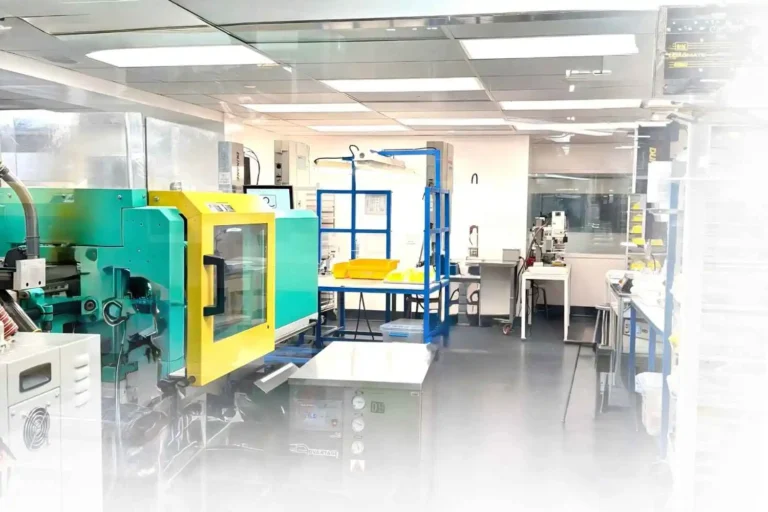
A supplier’s injection molding capacity is only one part of its manufacturing capability. Medical OEMs should also assess whether the supplier can support the tooling, molding processes, controlled manufacturing, and secondary operations their products require.
This matters because relying on multiple suppliers can create additional handoffs between tooling, molding, assembly, and other production stages. Each handoff can add coordination requirements and make engineering changes, quality issues, and production schedules harder to manage.
Choosing an injection molding company in Mexico with a broader range of manufacturing capabilities can help reduce these handoffs and keep more of the production process under one supplier. Check nearshore injection molding companies in Mexico for the following capabilities based on your product requirements:
- Mold making: In-house tooling capabilities can support mold development and modifications while keeping tooling work closely connected to the molding process.
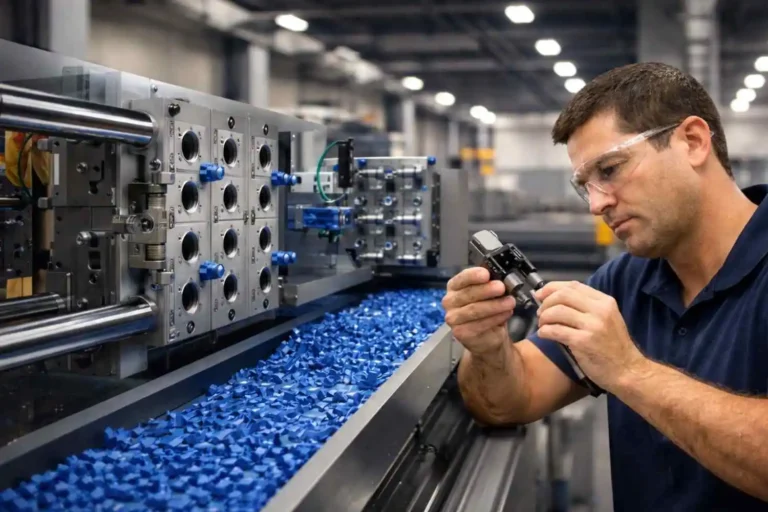
- Custom injection molding: Specialized molding capabilities can accommodate different part designs, materials, tolerances, and production requirements.
- Insert molding: This capability supports components that require metal or other inserts to be incorporated directly into the molded part.
- Elastomeric overmolding: Overmolding allows rigid plastics and elastomers to be combined within the same component when the design requires multiple materials.
- Multi-component molding: This supports components that require two or more materials or plastic components within the same manufacturing process.
- High-temperature molding: Specialized equipment and process knowledge can support materials that require higher processing temperatures.
- Cleanroom molding: Controlled manufacturing environments can support medical and diagnostic components that require specific environmental conditions.
- Assembly: In-house assembly can eliminate additional transportation and supplier handoffs after molding.
- Decoration: In-house decoration can allow required markings or other finishing requirements to be completed within the manufacturing workflow.
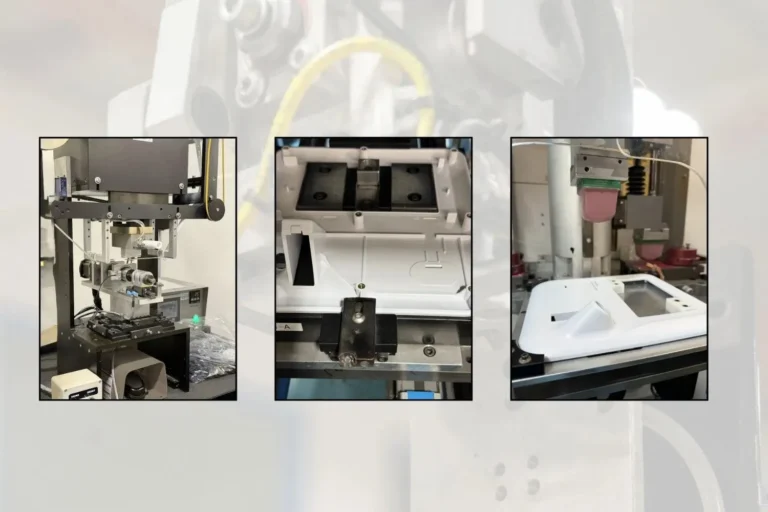
- Ultrasonic welding: This can support applications that require plastic components to be joined as part of the assembly process.
- Laser degating: Laser degating can provide a controlled method for removing gates from suitable molded components.
Evaluating these capabilities helps determine how much of the injection molding in Mexico a single supplier can support. A broader capability set can reduce supplier handoffs and make communication, quality coordination, engineering changes, and production planning easier to manage.
4. Assess Quality Systems and Validation Capabilities
Having the right manufacturing capabilities is only part of selecting a supplier for a medical product. Those capabilities must also operate within quality systems and process controls that match the product’s requirements. A medical OEM should assess:
- Quality management systems: Determine whether the supplier’s quality system is appropriate for medical-device manufacturing and the requirements of the project.
- Process controls: Confirm how the supplier controls injection molding conditions in Mexico and monitors production consistency.
- Traceability: Understand how materials, production records, and finished components are tracked throughout manufacturing.
- Documentation: Review the production and quality records available to support the process of injection molding in Southern Mexico.
- Change control: Determine how the supplier evaluates and documents changes to materials, tooling, processes, or production conditions.
- Process qualification and validation: Establish what qualification or validation activities apply to the manufacturing process and what support the supplier can provide.
Note that ISO 13485 is especially important when evaluating nearshore injection molding suppliers for medical-device manufacturing. The standard establishes quality management requirements for organizations involved in the medical-device lifecycle. The FDA’s Quality Management System Regulation also became effective in February 2026 and incorporates ISO 13485:2016 into the FDA’s quality-system requirements.
But remember that certification alone should not determine the decision. The supplier’s quality system must also support the specific product, manufacturing process, documentation, and applicable regulatory requirements.
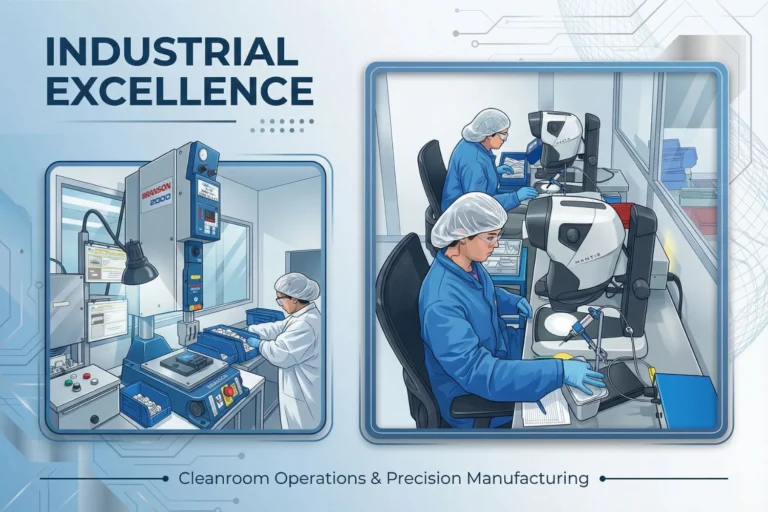
Do Cleanroom Capabilities Matter When Choosing an Injection Molding Supplier in Mexico?
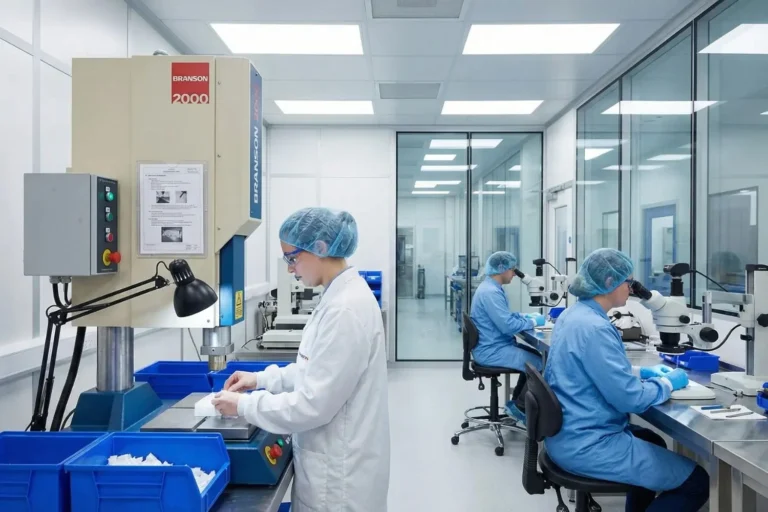
Yes, cleanroom capabilities matter when a medical or diagnostic component requires controlled manufacturing conditions. The required level of environmental control depends on the product, its materials, and the manufacturing process.
A cleanroom helps control airborne particles and other environmental conditions during production. This can be important for components where contamination could affect product quality or performance.
Evaluate the supplier for the following when cleanroom manufacturing is required:
- Cleanroom classification: Confirm that the facility meets the environmental requirements of the component and manufacturing process.
- Environmental controls: Understand how the supplier maintains the required conditions within the cleanroom.
- Monitoring practices: Review how environmental conditions are monitored and documented during production.
- Manufacturing processes: Confirm which molding, assembly, or other operations are performed within the controlled environment.
- Quality procedures: Determine how cleanroom procedures work with the supplier’s broader quality system and production controls.
Note that an ISO Class 8 cleanroom establishes limits for airborne particle concentrations within a controlled environment. It does not, by itself, demonstrate that the supplier can meet every quality requirement associated with medical-device injection molding in Mexico.
The cleanroom therefore needs to be evaluated alongside the supplier’s quality systems, process controls, documentation, and validation capabilities. This helps determine whether the complete manufacturing environment is appropriate for the product.
What Should Medical OEMs Consider When Managing Tooling in Mexico?
Tooling ownership, maintenance, design changes, documentation, and movement should be established before production begins. These decisions can affect production continuity, tooling control, and the ability to move or modify a mold later.
A medical OEM should clarify:
- Tool ownership: Establish who owns the mold and retains control over it throughout the supplier relationship.
- Tool location: Determine where the mold will be built, stored, and used for production.
- Maintenance responsibility: Define who will maintain the mold and where maintenance will be performed.
- Design changes: Establish who can approve and implement tooling modifications.
- Tool transfer: Confirm whether the mold can be moved between facilities if production requirements or supplier relationships change.
- Documentation: Determine what tooling records and documentation will be maintained throughout the mold’s lifecycle.
These considerations become particularly important when tooling crosses the U.S.-Mexico border. Programs such as IMMEX can apply to qualifying temporary imports used in export-oriented manufacturing. This may include certain machinery, equipment, tools, and molds. However, applicable customs requirements and tooling responsibilities still need to be clearly established.
Addressing these details before production begins gives the OEM greater control over the tool and reduces uncertainty if the mold needs to be maintained, modified, or transferred later.
Conclusion
Building a nearshore injection molding strategy requires more than choosing a manufacturing location in Mexico. Medical OEMs must consider product requirements, engineering support, manufacturing capabilities, quality systems, cleanroom requirements, tooling, and production needs before selecting a supplier.
Craftech Plastics brings these capabilities together through its U.S. and Mexico operations. Our expert teams can support medical OEMs across multiple stages of production. Our ISO 13485 and ISO 9001 quality systems further support the quality requirements of demanding medical applications.
This combination of capabilities, cross-border support, and manufacturing experience has made Craftech a trusted partner for OEMs seeking reliable and scalable injection molding solutions in Mexico. Connect with our experts today to learn more!
FAQs
1. Is injection molding in Mexico cheaper than in the U.S.?
Yes, choosing a company for injection molding in Mexico can offer competitive manufacturing costs. However, the actual savings depend on tooling, labor, materials, logistics, production volume, and other total costs.
2. What should I look for in an injection molding supplier in Mexico?
Always look for a supplier with the right molding processes, engineering expertise, tooling capabilities, and quality systems. Make sure to check them for production capacity, cleanroom capabilities, and secondary operations they offer for your product.
3. Is Mexico a good option for medical device injection molding?
Mexico can be a strong option for medical device injection molding because it offers nearshore access to U.S. markets and established medical manufacturing capabilities. The supplier must still meet your quality, validation, traceability, and production requirements.
4. What certifications should a medical injection molding supplier in Mexico have?
Medical OEMs should look for quality systems appropriate to their application, with ISO 13485 being particularly important for medical-device manufacturing. Additional requirements depend on the product, process, and applicable regulations.
5. How does tooling work when moving injection molding production to Mexico?
Before transferring production, establish who owns the tooling, where it will be stored and maintained, how modifications are approved, and how the mold can be transferred if production requirements change.