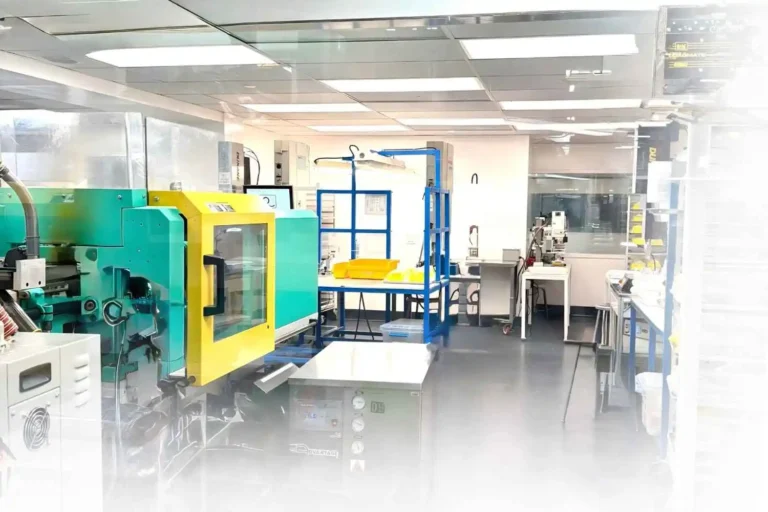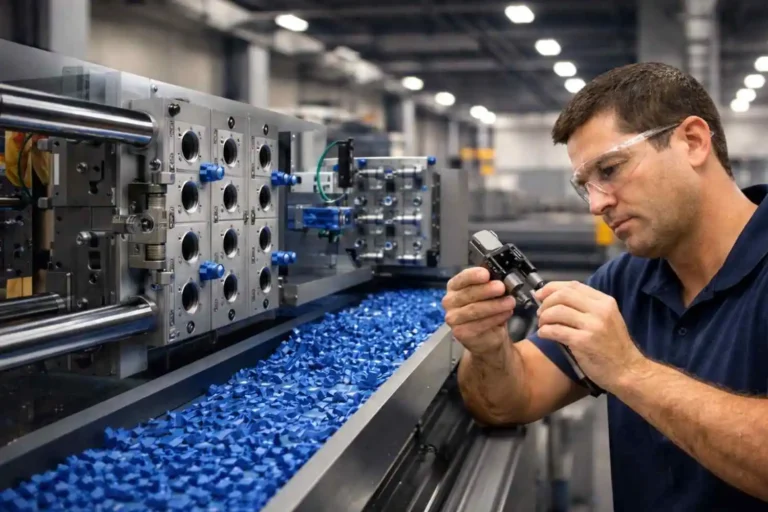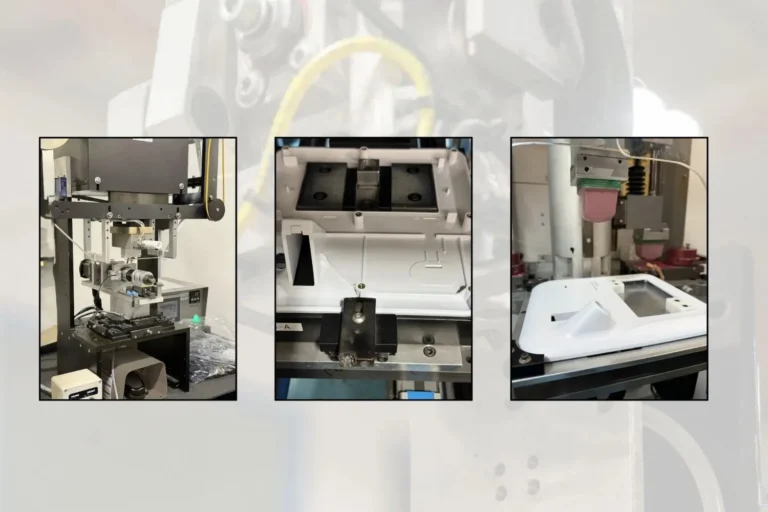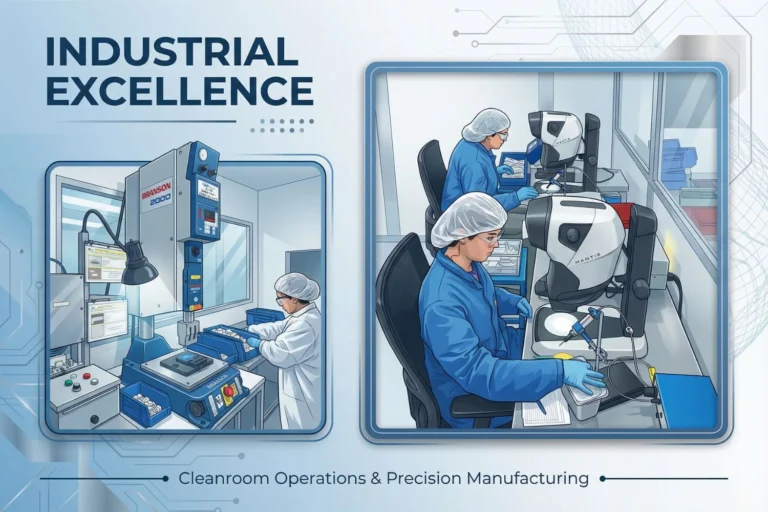
Your injection molding supplier may be meeting every production requirement today. But what happens when there is change in requirements for injection molding in Dallas, Texas? Demand can increase, a new product may enter production, or a design may need to change. Sometimes the problems can be at the supplier end, especially when they suddenly have less capacity available when you need more.
That is when manufacturers often discover that having a reliable plastic manufacturing company in Dallas, Texas, is not the same as having a flexible supply chain. A supplier can produce your parts consistently and still leave you with limited options when production requirements change.
So, how can you build more flexibility into your injection molding supply chain before those changes create problems? The first step is knowing where your current supply chain leaves you with the fewest options for injection molding in Dallas, Texas. From there, you can build a more flexible production strategy by looking at capacity, tooling, engineering support, and alternative production paths.
Start by Finding Where Your Supply Chain Is Rigid
A supply chain cannot be flexible if one weak point can slow down the entire production plan. That weak point may be your supplier’s available capacity, your tooling, or the way production changes are handled.
So, start by looking at what happens when something changes. Ask:
- Are you relying on one supplier for the entire production program?
- Can that supplier support higher volumes if demand increases?
- What happens if your mold needs repair, maintenance, or modification?
- Can the supplier handle an engineering change without disrupting production?
- Do you have another production option if your current supplier reaches its capacity limit?
These questions help you identify where your supply chain has the least room to adapt. They also show whether your current injection molding supplier capacity can support future production requirements, not just today’s orders.
That matters a lot when evaluating injection molding in Dallas, Texas. After all, a supplier may have the machines, tooling expertise, and production capabilities you need today. But would those resources still support your program when volumes, tooling requirements, or product specifications change?
Once you identify those constraints, you know what needs attention first. You can then plan additional capacity, strengthen your tooling strategy, or create another production path before the constraint affects your schedule.
Choose Capacity That Can Scale With Demand
Demand does not always follow the original production forecast. Orders can increase, new programs can launch, or volumes can change after production begins. That is where injection molding capacity planning becomes important.
So, you must not just look at plastic manufacturing companies’ requirements today. Instead, also assess what your program may need as demand grows, then ask:
- How much suitable machine capacity is currently available?
- How much of that capacity is already committed?
- Can the required press size and clamp tonnage support your mold?
- Can the supplier add shifts when production volumes increase?
- What happens if your required capacity is no longer available?
These questions show if a plastic manufacturing company in Dallas, Texas, can support the program as it grows. They also help you identify capacity gaps early and decide whether you need additional machine time, shifts, equipment, or another production option. That gives you a clearer production plan for injection molding in Dallas, Texas, as demand changes.
Plan Tooling Around Future Production Needs
As production volumes increase, your tooling may need more maintenance, repairs, or modifications. Design changes can also require updates to an existing mold. If these requirements are not considered early, tooling can become a constraint when you need to increase production.
That is why tooling should be part of your injection molding capacity planning, not something you address only when a problem appears. To do so, you should look at:
The mold’s expected production life
- Cavity configuration
- Maintenance needs
- Repair requirements
- Potential for future modifications
- Mold ownership and maintenance responsibilities
- How tooling changes and repairs will be handled
Planning these requirements early gives you more control when production volumes increase or the product changes. It also reduces the risk of tooling becoming the constraint that limits the capacity available for injection molding in Dallas, Texas.
Keep Engineering and Production Connected
Did you think your product changes would stop once production begins? No, that is rarely the case! Materials can change. A design feature may need modification. A process issue may also show up once the part enters production. Each change can affect the tooling, production schedule, or final part quality.
That makes engineering involvement important even after the mold is built. Engineering should stay connected to production as changes arise. Doing so ensures that the team can review their impact on manufacturability, materials, tooling, and process conditions before they move further into production.
The same connection needs to work in the other direction. Production teams can spot issues that are not visible during product development. That feedback should reach engineering quickly, so the necessary design or process changes can be evaluated and addressed.
That is an important part of choosing a manufacturing partner for injection molding in Dallas, Texas. You need engineering and production teams that can work together as the product develops, rather than treating the mold as the point where engineering ends.
Keeping those teams connected ensures that changes can be evaluated earlier. That gives you a better chance of avoiding tooling delays, production disruptions, and quality problems as the program evolves.
Create More Than One Path to Production
Think about what happens when your only production route is no longer available.
Your supplier may reach its capacity limit. A tooling issue may delay production. Demand may increase faster than expected. Any of these changes can affect your entire schedule when everything depends on one production path.
But that does not mean you need multiple suppliers for every program. It means you should have a practical alternative if your primary production path becomes constrained. Depending on your requirements, that alternative could include:
- Additional machine capacity at your existing supplier
- A second production location
- A backup manufacturing supplier
- Nearshore production
A plastic manufacturing company in Dallas, Texas can be part of that strategy, especially when you need reliable regional production. Other U.S. locations or nearshore facilities may also provide additional capacity when your requirements grow.
Remember that the key here is to make sure the alternative supplier can actually support your program. Building that second path gives you more room to respond when production conditions change, without allowing one constraint to bring the entire production plan to a halt.
Conclusion
A flexible injection molding supply chain is not built by choosing the supplier with the most machines or adding suppliers without a plan. It comes from understanding where your production can become constrained and building enough flexibility around those points to respond when requirements change.
That means planning capacity before demand increases, preparing tooling for future production, keeping engineering connected to manufacturing, and having another production path when the primary one becomes constrained.
The result is a supply chain that can adapt without forcing every change into a production delay.
Craftech supports this approach by connecting engineering, tooling, and injection molding capabilities within one manufacturing relationship. That gives manufacturers a partner that can support changing production requirements while helping them build a more flexible path from product development to production.
Contact Craftech for expert injection molding in Dallas, Texas today!
FAQs
1. What makes an injection molding supply chain flexible?
A flexible supply chain can respond when demand, tooling, product requirements, or production capacity changes. It includes scalable capacity, adaptable tooling, engineering support, and practical production alternatives.
2. How do you manage injection molding capacity when demand changes?
Start with your current production requirements and compare them with expected future demand. Review available machine capacity, press requirements, production schedules, tooling, and options for adding capacity when volumes increase.
3. Should manufacturers use multiple injection molding suppliers?
You do not need to use multiple injection molding suppliers always. Multiple suppliers can provide an alternative when one production path becomes constrained, but they can also add coordination and quality requirements. The right approach depends on your production volumes, capacity needs, tooling, and supply chain risks.