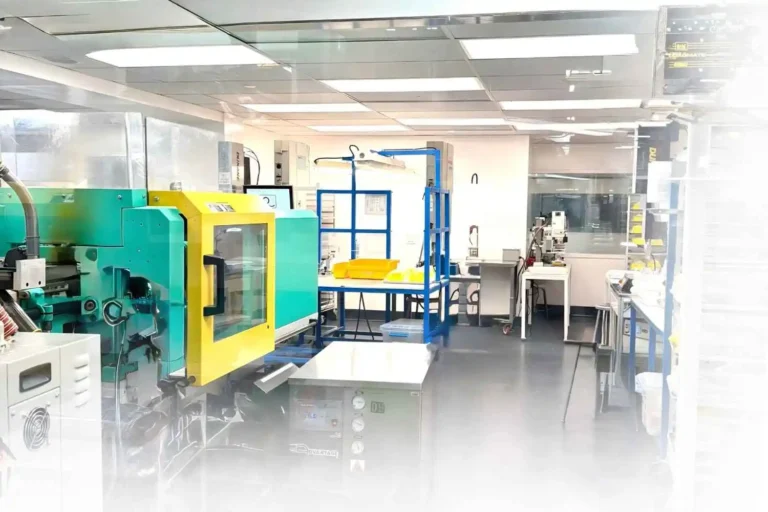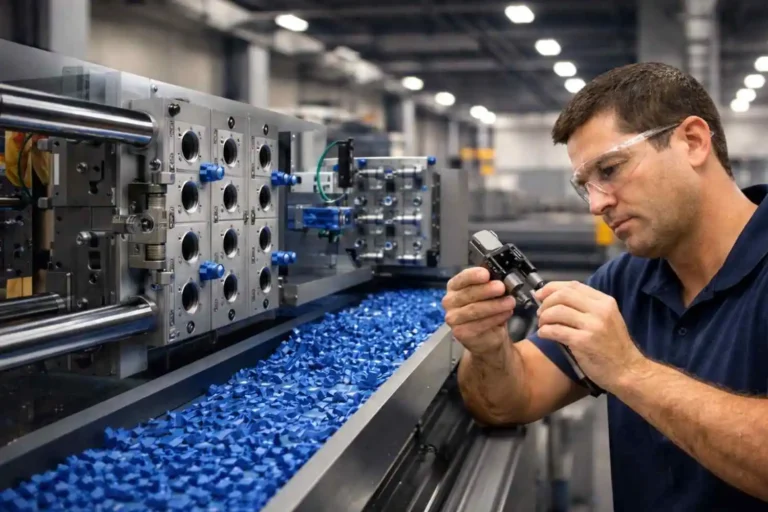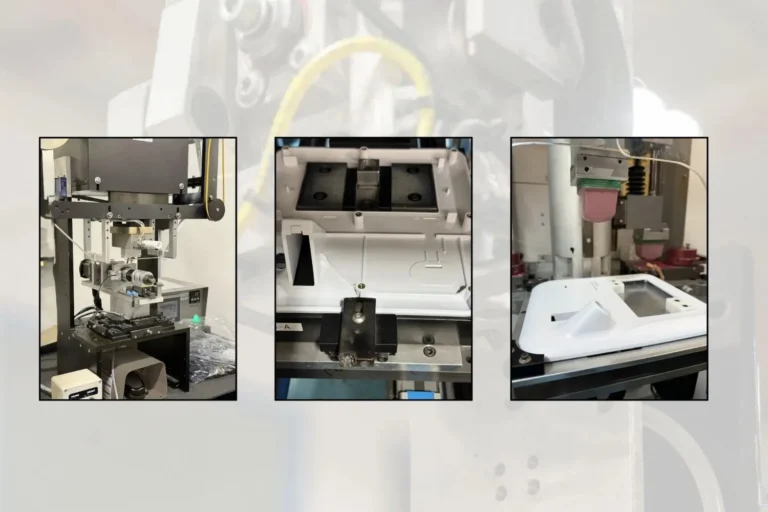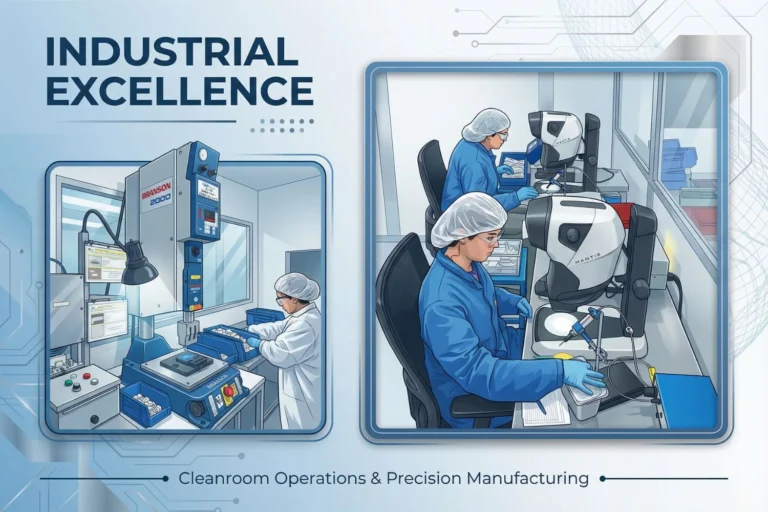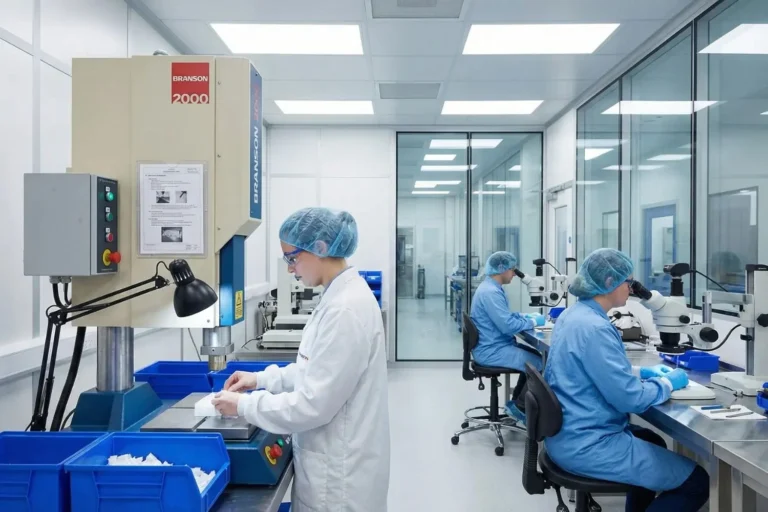
Do you think medical device components consist of plastic alone? Not always. Many medical components require metal pins, terminals, threaded inserts, or other elements integrated into the finished part. During injection molding in Mexico, insert molding can help incorporate these components directly into the molded part.
Getting those components into the molded part can otherwise add another assembly step. The plastic component needs to be molded first, then the insert needs to be positioned, secured, and checked. That raises an important question for medical OEMs!
What if the insert could become part of the component while the plastic is being molded? Is that possible? Yes, insert molding makes that possible. It brings the insert into the injection molding process in Mexico, allowing the plastic to form around it as the component takes shape.
This article looks at how insert molding can simplify medical device component assembly, where it can make the most sense, and what OEMs should consider before using it.
How Does Insert Molding Work?
Some medical components need plastic parts with metal pins, terminals, threaded inserts, or other components built into them. A conventional approach is to mold the plastic part first and add these components afterward.
That means the molded part needs to go through another assembly step. The insert must be positioned correctly, secured to the part, and checked to make sure the finished component meets its requirements. Here, every additional step adds another point where positioning, handling, or assembly can become a concern.
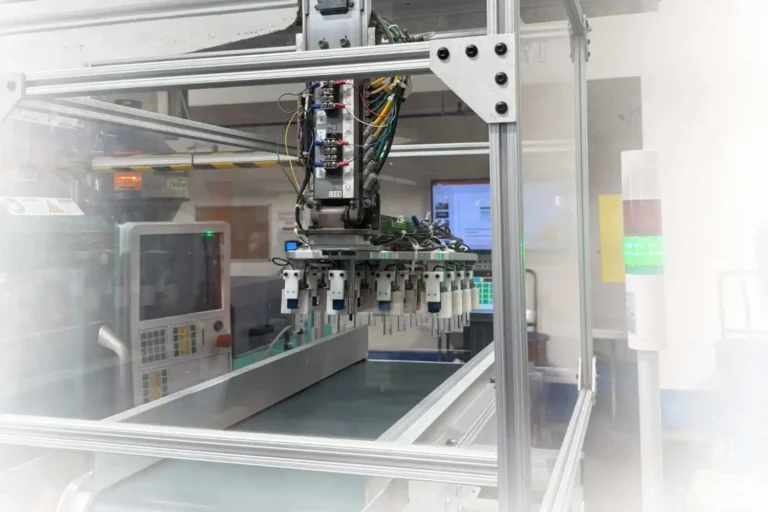
Insert molding changes this approach by bringing the insert into the injection molding process itself. The insert is positioned inside the mold before the plastic is injected. Molten plastic then flows around it and forms the finished part around the insert.
The result is a single molded component with the insert already integrated into it during injection molding in Mexico. That means the manufacturer no longer needs to mold the plastic part first and figure out the insert afterward. Here, the insert becomes part of the component as the part is molded.
That difference in the process can simplify the production sequence while giving the manufacturer greater control over insert placement and how the plastic forms around it.
How Can Insert Molding Simplify Assembly?
When the insert is added after molding, the finished plastic part still needs another step before it is complete. Insert molding brings that step into the molding process, which can simplify what happens after the part is molded. That can help injection molding manufacturers in Mexico to:
- Reduce assembly steps: The insert is already integrated into the molded part, so a separate insertion step may no longer be needed.
- Reduce component handling: Fewer assembly stages mean fewer times the molded part needs to be moved, positioned, and handled after molding.
- Improve insert positioning: The insert is positioned inside the mold before injection. Its placement can therefore be controlled as the plastic forms around it.
- Streamline production: Combining insert integration with molding can reduce the number of separate operations between molding the part and completing the component.
This can be particularly useful in plastics manufacturing in Mexico! That’s because many OEMs here are looking to simplify production and reduce the number of assembly steps handled separately. Insert molding helps with just that by offering a more connected path from molding to the finished component.
What Makes Medical Device Component Assembly Challenging?
A medical device component may need several pieces to work together as one finished part. A plastic housing, for example, may need a metal insert, pin, terminal, or other component to provide the function that plastic alone cannot deliver.
Getting those pieces together is where assembly can become more complicated. The insert must be positioned correctly, secured to the molded part, and kept in the required location throughout the assembly process. Small components can also leave little room for positioning errors.
The problem becomes larger when the component passes through several separate manufacturing steps. The molded part must be handled again, the insert must be added, and the finished assembly must then be checked.
Every additional step creates another point where handling, positioning, or assembly can affect the finished component. That can make a seemingly simple component more difficult to manufacture consistently at production volumes.
This is why medical device manufacturers are looking beyond how the plastic part is molded. They are also considering how the required components can be integrated during manufacturing.
How Can Insert Molding Change Medical Device Component Assembly?
A medical device component may need a plastic body and a metal element to perform its intended function. In a conventional process, those pieces are produced separately and brought together during assembly.
Insert molding moves that integration into the injection molding stage in Mexico. The insert is positioned first, then the plastic is molded around it to create the finished component. That approach can change the assembly sequence in a few important ways:
-
The insert is integrated while the component is formed
The manufacturer does not have to mold the plastic body first and add the insert afterward.
-
The position of the insert is established during molding
This is important when the insert needs to sit in a specific location within a small or functional medical component.
-
The plastic and insert become one molded component
The finished part no longer depends on a separate operation to bring those two elements together.
-
The component can leave molding closer to its intended finished form
This feature can reduce the work needed between molding and the next stage of production.
This is where insert molding can make medical device component assembly more efficient. With it, the plastics manufacturing company in Mexico has fewer separate assembly tasks to complete after molding. The insert does not need to be added, positioned, and secured as a separate operation. Instead, the molded component can move forward with the insert already integrated during injection molding in Mexico.
What Medical Components Are Suitable for Insert Molding?
Not every medical component can benefit from insert molding in Mexico. The process makes more sense when a component needs a preformed insert integrated into its molded plastic body. Here are the types of components that can benefit from it:
- Metal pins and terminals
- Threaded inserts and bushings
- Electrical contacts
- Structural inserts
These components can benefit from insert molding because the insert needs to become part of the finished component. Integrating it during molding can remove the need to add and secure it as a separate assembly step.
Always remember that the right application depends on the component design, the type of insert, and how that insert needs to function within the finished medical component.
Conclusion
Medical device components often need plastic and other materials to work together in one finished part. Traditional assembly can require those elements to be molded, handled, positioned, and joined separately.
Insert molding brings that integration into the process of injection molding in Mexico. The insert becomes part of the component as the plastic is formed around it. This can reduce separate assembly work and simplify how the finished component moves through production.
For OEMs exploring plastics manufacturing in Mexico, insert molding can offer a practical way to simplify production and integrate components more efficiently. Connect with Craftech to learn how this process can support your medical product manufacturing needs.
FAQs
1. What Types of Inserts Can Be Used in Medical Insert Molding?
Medical insert molding can use preformed components such as metal pins, terminals, threaded inserts, bushings, and electrical contacts. The insert must be suitable for the molding process and the requirements of the finished medical component.
2. Can Insert Molding Eliminate All Secondary Assembly?
No, insert molding can eliminate the separate step of adding the insert to the molded part, but other assembly or finishing operations may still be required.
3. What Should OEMs Consider Before Using Insert Molding?
OEMs should consider the component design, insert type, material compatibility, required positioning, production volume, and intended function. These factors help determine whether insert molding is a practical choice for the application.