Did you know the FDA cited Philips in 2024 for failing to ensure proper validation of a supplier’s injection molding process for a CT monitor cable? The agency documented 64 complaints involving connection problems that could cause signal errors and potentially delay diagnosis.
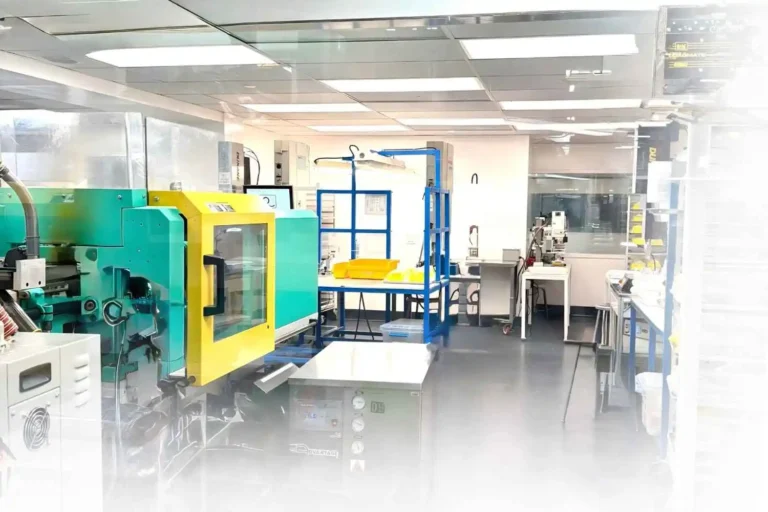
Cases like this show why medical OEMs need to be careful when choosing an injection molding supplier in Southern California. You cannot choose a supplier simply because they have a valid certification that their sample meets your specifications. OEMs need to look deeper to understand how a supplier manages quality, controls its processes, and maintains production standards over time.
Such careful evaluation can help medical OEMs identify potential gaps before they lead to costly production issues or compromise component quality. So, how should you vet a supplier before you onboard them for vertical press molding in California? This blog explains the process, helping you build a stronger foundation for reliable production.
1. Verify the Supplier’s Quality System, Not Just Its Certification
A medical OEM needs confidence that its chosen supplier for injection molding in Southern California can maintain quality throughout production. A valid certification can help with that, but it’s not the only thing that matters. As a smart medical OEM, you must also assess how the supplier manages quality issues, maintains records, and ensures employees follow established procedures.
That’s why we recommend reviewing the supplier’s quality management system to understand how these controls work in practice. The following areas deserve particular attention:
-
Certification and scope:
Check whether the supplier holds relevant certifications, such as ISO 13485, where applicable. Verify that the certification is valid and covers the facility and activities involved in your project.
-
Document control:
Review how the supplier maintains current production instructions, specifications, and inspection procedures.
-
Nonconformance management:
Understand how the supplier identifies, documents, and controls parts that fail to meet requirements.
-
Corrective actions:
Examine how the supplier investigates the causes of quality issues and verifies that corrective actions prevent them from recurring.
-
Training and responsibilities:
Check whether employees understand their responsibilities and receive appropriate training for their roles.
-
Production and quality records:
Review whether records provide traceable evidence of manufacturing activities, inspection results, and quality decisions.
Reviewing these areas can help you understand how consistently the supplier applies its quality controls. It helps gives you a clearer basis for judging whether the quality management system of injection molding supplier in Southern California supports your component’s requirements.
2. Confirm That the Molding Process Can Consistently Meet Specifications
You may request a sample from an injection molding supplier in Southern California and find that it meets your specifications. But does that guarantee the supplier can maintain the same quality during full-scale production? Not necessarily!
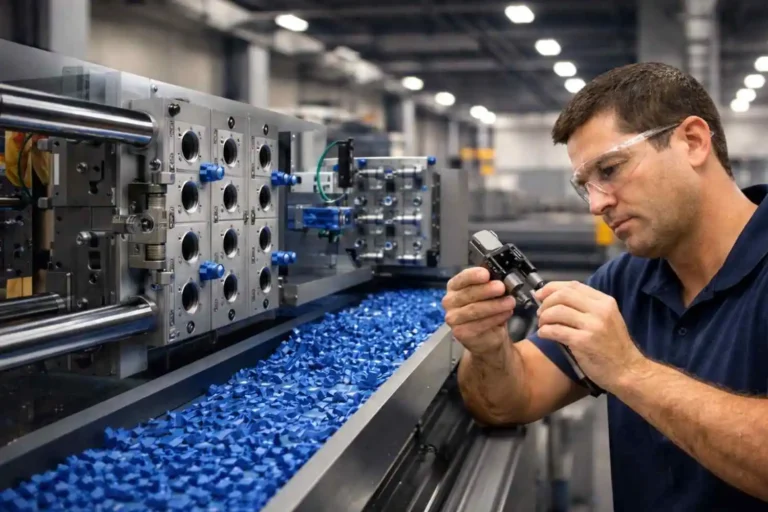
Variations in molding conditions can affect part dimensions, fit, and function, making process consistency essential for medical components. That’s why it is important for you to check the following before approving an injection molding supplier in Southern California:
- Process validation: Review applicable IQ, OQ, and PQ records to understand how the supplier verifies process consistency.
- Process parameters: Check how the supplier controls critical settings, including melt temperature, injection pressure, and cooling time.
- Repeatability: Examine results across production runs and material lots to assess whether the process consistently meets requirements.
- Process monitoring: Review inspection results and process capability data to understand how the supplier identifies and manages variation.
These checks help you assess whether the supplier can maintain part quality beyond the initial sample. They also help reduce the risk of defects, production delays, and costly rework as volumes increase.
3. Examine Tooling, Materials, and Measurement Controls
You cannot partner with a vertical press molding supplier in California merely because they can produce parts that meet your specifications. A responsible medical OEM still needs to know how it maintains that quality over time.
This is important because mold wear, changes in material, or inaccurate measurements can affect the final part without being immediately obvious. That’s why we recommend checking the following before approving a supplier for injection molding in Southern California:
-
Tooling maintenance:
Review the mold’s maintenance schedule, service history, and repair records. Check how the supplier identifies wear and handles repairs that could affect part quality. It is also important to clarify who owns the mold and who is responsible for its maintenance.
-
Material traceability:
Confirm that the supplier uses the approved resin grade and follows your material specifications. Check how it identifies incoming materials and traces them to production lots. If the supplier needs to change a material, make sure the change goes through your agreed review and approval process.
-
Measurement and inspection:
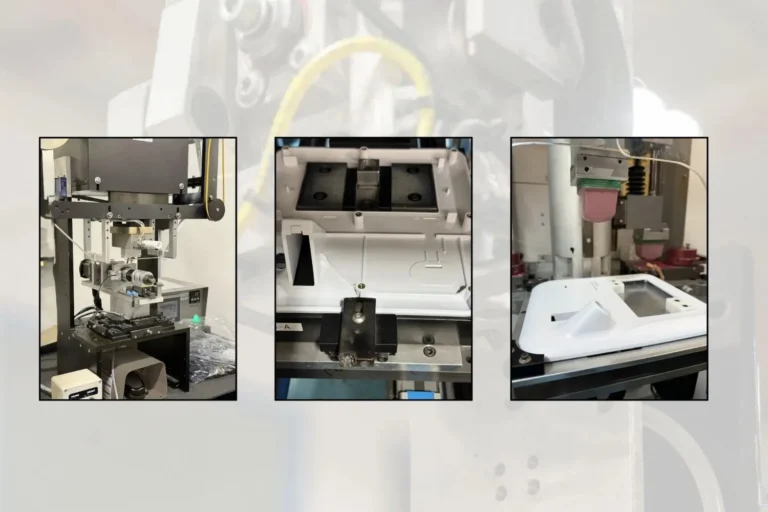
Ask how the supplier checks critical dimensions and other part requirements. Review its inspection methods and equipment calibration records to ensure measurements are reliable and suitable for the required tolerances.
Checking these areas helps you understand whether the supplier can maintain part quality throughout production. It also helps you catch potential problems earlier, before they lead to defective parts, rework, or delays.
4. Audit the Supplier’s Actual Production Practices
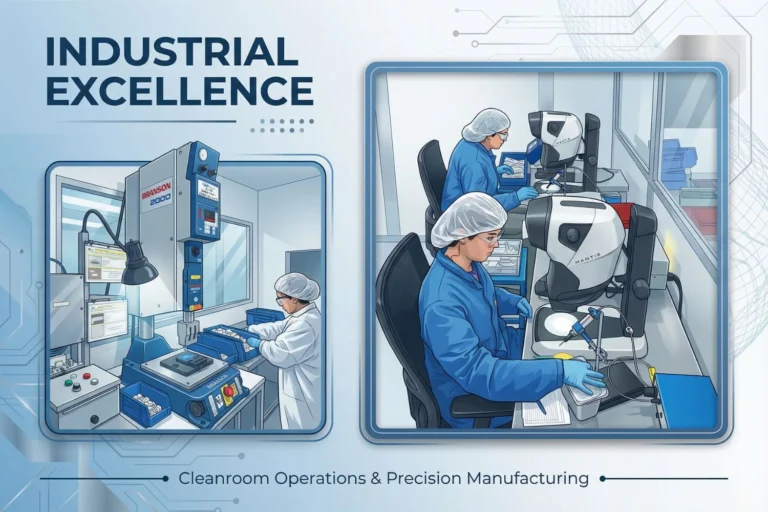
Should you simply take a supplier’s word when they say they follow quality procedures during injection molding in Southern California? If you want consistently high-quality medical components, that is not a risk worth taking. Medical OEMs need to verify these claims themselves, and supplier audits provide an opportunity to see how quality procedures are followed on the production floor.
We recommend examining the following areas during an audit:
- Equipment and material handling: Check equipment condition, maintenance practices, and how materials are handled during production.
- Operator practices: Observe whether employees follow approved procedures and production instructions.
- Process deviations: Ask how the supplier responds when process settings drift or inspection results fall outside acceptance limits.
- Corrective actions: Review how the supplier investigates recurring problems and addresses their root causes.
These checks help you identify gaps between documented procedures and actual practices. Remember that the depth of your audit should reflect the component’s risk, with higher-risk components potentially requiring a more detailed technical review or an on-site audit.
5. Establish Change Control and Long-Term Production Readiness
Have you ever thought about what would happen if your supplier changed the resin, modified the mold, or moved production to another facility after approval? Such changes can affect part quality. That’s why medical OEMs need to ensure that changes to materials, tooling, equipment, processes, and production locations are reviewed before implementation.
You can assess whether a supplier has the right controls in place by checking the following:
- Change notification: Confirm that the supplier must notify you of relevant changes to materials, tooling, equipment, process settings, subcontractors, or manufacturing locations.
- Change approval and validation: Agree on how proposed changes will be assessed, documented, and approved. Determine whether additional testing or revalidation is needed before affected parts enter production.
- Production capacity: Check whether the supplier has the equipment, staffing, and capacity to meet your current and anticipated production volumes.
- Supply continuity: Review maintenance planning, material availability, and contingency arrangements to understand how the supplier would manage disruptions.
These checks help you maintain control over changes that could affect your components. They also help you assess whether the supplier can support ongoing production while maintaining quality and meeting delivery commitments.
6. Set Clear Quality Expectations and Review Supplier Performance
What if a supplier that initially met your requirements starts delivering defective parts or missing quality targets several months later? These issues may go unnoticed for a long time until they disrupt production. However, clear approval criteria and regular performance reviews can help ensure timely intervention happens when needed.
That’s why we recommend putting the following measures in place:
- Documented approval criteria: Clearly record which parts and processes are approved, the requirements they must meet, and each party’s responsibilities. Include expectations for quality records, change notifications, and escalation procedures in the supplier agreement.
- Supplier performance reviews: Track defect rates, delivery performance, recurring quality issues, and corrective-action closure. Review these measures regularly to identify patterns that may indicate declining performance.
- Supplier reassessment: Reassess the supplier when repeated failures, significant changes, or declining performance raise concerns about its ability to meet your requirements.
Following these steps helps you identify problems early and address any performance gaps. It also helps confirm that the supplier continues to meet your quality requirements throughout production.
Conclusion
Choosing the right injection molding supplier takes more than comparing prices or approving a sample. Medical OEMs need to know that their chosen partner can maintain quality, manage changes, and meet requirements throughout production. The checks discussed above can help you make that decision with greater confidence and avoid preventable production problems.
At Craftech, we understand the importance of getting manufacturing decisions right from the start. Our services span design and engineering, mold making, and injection molding,
Are you evaluating a partner for vertical press molding in California? Connect with our experts today.
FAQs
1. Is ISO 13485 certification enough to approve a medical injection molding supplier?
No, ISO 13485 certification can support supplier evaluation, but it does not prove that a supplier can consistently manufacture your specific component.
2. What documents should medical OEMs request before approving an injection molding supplier?
Medical OEMs should request relevant quality certifications, process validation records, and inspection results. They should also check material traceability records, tooling maintenance history, and documented change-control procedures.
3. When does an injection molding process need revalidation?
Revalidation may be necessary when changes to materials, tooling, equipment, process parameters, or production conditions could affect part quality. Medical OEMs should assess each change with the supplier and determine whether additional testing or validation is needed.