Errors in medical injection molding can compromise component performance, trigger costly rework, and delay production. That’s why medical OEMs need manufacturing partners with reliable quality management systems.
ISO 13485 certification helps provide that assurance. It provides independent evidence that a manufacturer’s quality management system has been assessed against requirements specific to the medical device industry.
But why does this certification matter when choosing a manufacturing partner for injection molding in Mexico or the United States? How does a certified company differ from a noncertified one, and what does certification actually guarantee? This article explains ISO 13485 certification, its role in medical injection molding, and what OEMs should verify before partnering with a certified manufacturer.
What Is ISO 13485:2016 Certification?
A medical plastic component can meet its dimensions and still raise quality concerns if the manufacturing process lacks proper controls. ISO 13485:2016 helps address these risks by setting quality management system requirements for the medical device industry. It helps organizations manage quality and meet applicable regulatory and customer requirements.
Medical OEMs need to look beyond finished components when evaluating plastics manufacturing in Mexico. They also need confidence in how manufacturers control production, document quality checks, and manage process changes.
ISO 13485 certification provides independent evidence that a manufacturer’s quality management system has been assessed against the standard. This helps OEMs evaluate its quality practices, while the certificate’s scope confirms which facilities and activities the assessment covers.
What Does A Company Need To Get ISO 13485 Certified?
To earn ISO 13485 certification, a company must establish, implement, and maintain a quality management system that meets the standard’s requirements.
An independent certification body assesses the company against these requirements through an audit. It examines documented procedures, records, and actual practices to determine whether the company meets the standard. Certification is granted after the applicable requirements are met and any required corrective actions are accepted.
An injection molding supplier in Mexico must meet these key requirements to get ISO 13485 certification:
-
Documented quality management:
ISO 13485 requires manufacturers to document quality procedures, assign responsibilities, and maintain records of production and quality checks. These records help verify whether manufacturing activities follow established requirements and provide evidence during audits.
-
Management and employee competence:
Even well-defined manufacturing procedures depend on people having the skills and resources to follow them correctly. That’s why ISO 13485 requires management to provide the necessary personnel, equipment, facilities, and working environment. Employees must also receive training relevant to their responsibilities, including operating equipment, following production procedures, and performing required quality checks.
-
Risk management:
A single resin issue, molding defect, or contamination event can affect an entire production batch. That’s why a company must assess risks that could affect product quality, such as material defects, process failures, and contamination. It must implement controls to reduce these risks and review whether those controls remain effective during injection molding in Mexico.
-
Manufacturing and process validation:
The company must define production controls for molding parameters, equipment settings, and inspection criteria. It must validate processes when later inspection cannot fully verify the results. Process validation may include Installation Qualification (IQ), Operational Qualification (OQ), and Performance Qualification (PQ), where applicable.
-
Supplier and material controls:
The company must evaluate and monitor suppliers based on their ability to meet quality requirements. It must control purchased materials, components, and services that affect product conformity. For medical plastic components, this includes verifying material specifications and maintaining controls over resin selection and incoming material acceptance.
-
Traceability and equipment control:
Medical component manufacturers must maintain records that link resin lots, production batches, inspection results, and finished components where traceability is required. These records help medical OEMs investigate quality issues and identify affected parts when problems arise. Manufacturers must also calibrate or verify measuring equipment at planned intervals to ensure accurate inspection results.
-
Monitoring and corrective action:
Medical injection molding suppliers must inspect components against approved specifications and monitor production data for process deviations. When a component fails inspection, quality teams must document the issue and prevent its unintended use or shipment. They must investigate the root cause, implement corrective actions, and verify that those actions prevent recurrence. These records help medical OEMs assess supplier quality and identify recurring problems during injection molding in Mexico.
-
Ongoing quality management:
Management must regularly review quality performance, audit findings, customer feedback, and corrective actions. It must use this information to identify recurring problems and improve the quality management system. These reviews also help the company assess whether process changes require further validation or updated controls.
What Separates An ISO 13485 Certified Company From a Noncertified One?
A manufacturer can implement ISO 13485 requirements without obtaining formal certification. But certification adds an independent assessment of its quality management system against the standard within a defined scope.
| Area | ISO 13485-Certified Company | Noncertified Company |
| Quality management system | Has a system independently assessed against ISO 13485 requirements. | May follow ISO 13485 requirements, but has no ISO 13485 certification to demonstrate this. |
| Independent assessment | Undergoes certification audits by an independent certification body. | Has no ISO 13485 certification audit, though other audits may apply. |
| Ongoing oversight | Must maintain its system and undergo surveillance audits to retain certification. | Has no ISO 13485 certification surveillance audits. |
| Evidence for medical OEMs | Provides certification evidence for the activities and locations covered by its certification scope. | May need to demonstrate its quality practices through audits, quality records, and other evidence requested by the medical OEM. |
ISO 13485 certification offers medical OEMs an additional way to assess a manufacturer’s quality management system. However, certification alone cannot guarantee defect-free components. OEMs must also evaluate how the manufacturer controls injection molding processes in Mexico, validates production, and maintains consistent component quality.
The key takeaway: ISO 13485 certification provides independent evidence of a quality management system, not a guarantee of every product’s quality.
What Does ISO 13485 Certification Actually Guarantee?
ISO 13485 certification confirms that a quality management system has been independently assessed against the standard within a defined scope. However, medical OEMs must understand that it does not certify every component or guarantee defect-free production. Instead, it provides evidence that the manufacturer’s quality management system meets the standard’s requirements within the certified scope.
Here is what ISO 13485 certification actually guarantees:
- Documented quality procedures: The manufacturer has established and documented procedures for managing quality-related activities within its certified scope.
- Controlled manufacturing processes: The quality management system addresses production controls, process validation where required, and inspections against defined requirements.
- A process for managing defects: The manufacturer has procedures for identifying nonconforming components, investigating quality issues, and implementing corrective actions.
- Maintained quality records: The system includes records needed to demonstrate conformity, investigate problems, and support applicable traceability requirements.
- Ongoing independent oversight: The manufacturer must maintain its quality management system and undergo surveillance audits to retain certification.
These requirements establish a framework for managing manufacturing quality, but they do not guarantee that every component will meet specifications. Medical OEMs must still verify product requirements, inspection methods, traceability, and process validation. They should also confirm that project-specific quality requirements are addressed throughout injection molding in Mexico.
What Should You Verify Before Partnering With an ISO 13485-Certified Supplier?
Certification is a useful starting point when evaluating a supplier for injection molding in Mexico or the United States. However, you should also examine how the supplier’s quality system supports your specific plastics manufacturing requirements.
That’s why you should ask suppliers the following questions to understand their processes, documentation, and approach to managing quality throughout production:
- What does your certification cover? Confirm the relevant facility, scope, and activities.
- How do you validate molding processes? Ask about qualification criteria, documented results, and acceptance requirements.
- How do you maintain traceability? Establish which material, production, and inspection records are available.
- How are changes communicated? Clarify notification, approval, and revalidation requirements.
- How do you investigate quality problems? Ask about nonconformance management, root cause analysis, and CAPA.
- How do you control external suppliers? Understand how relevant materials and services are qualified and monitored.
- What documentation will our project receive? Agree on validation records, inspection evidence, and other deliverables.
The answers should align with the needs of your device and supply chain for plastics manufacturing in Mexico. They should also be supported by relevant documentation, not just verbal assurances.
Choosing Craftech for Medical Injection Molding
ISO 13485 certification helps medical OEMs assess whether a manufacturer’s quality management system meets medical device industry requirements. However, applying those requirements consistently also depends on engineering expertise, controlled manufacturing processes, and validation support. That is why Craftech maintains ISO 13485:2016 certification across its Anaheim, California, and Tijuana, Mexico, facilities.
Craftech supports medical injection molding in Mexico and the United States through:
- Design and engineering: Addressing component design, material selection, and manufacturability before production.
- Mold making: Developing tooling around component specifications and production requirements.
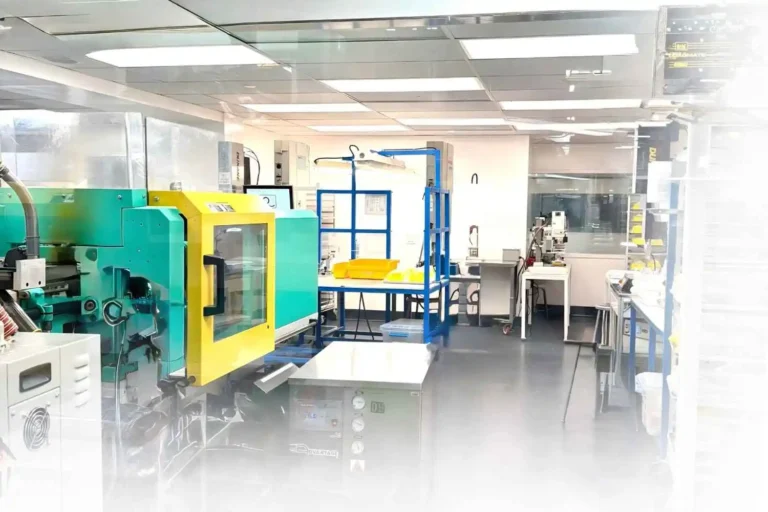
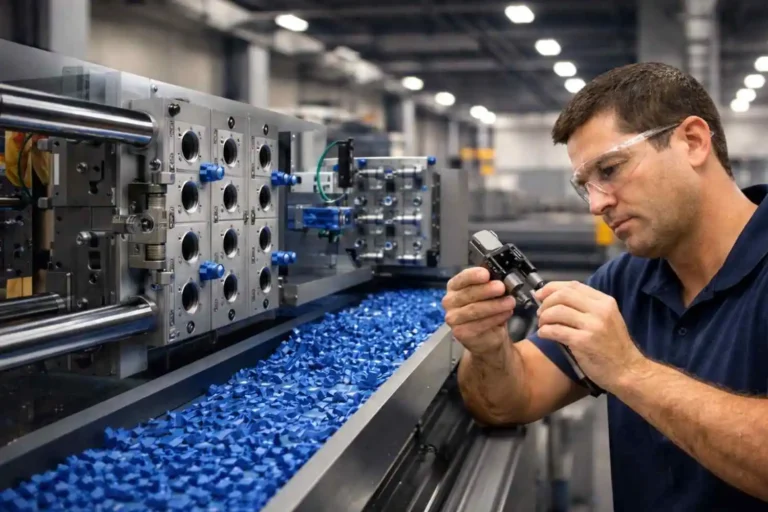
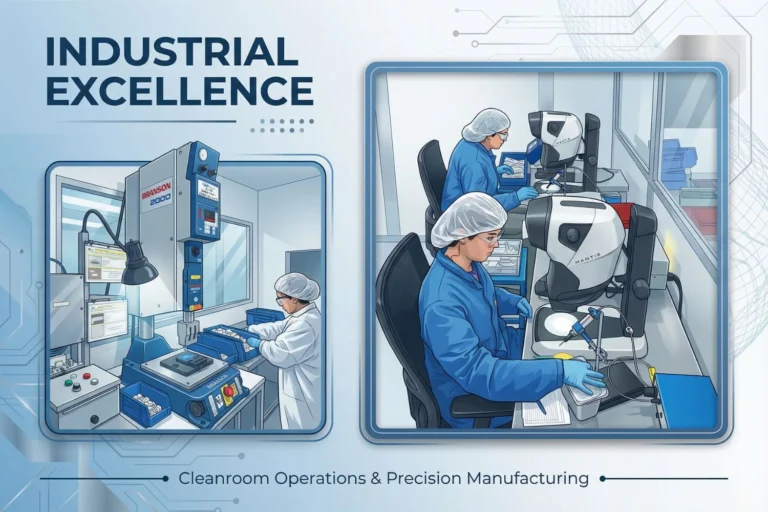
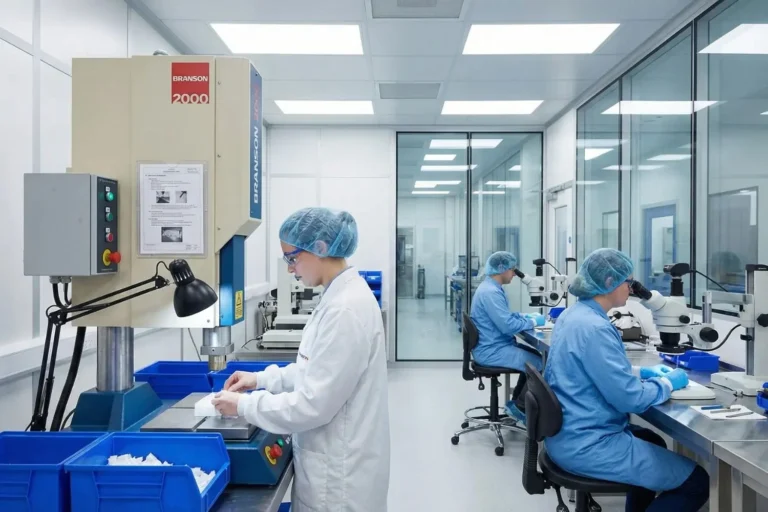
- Medical injection molding: Manufacturing plastic components for medical applications, with cleanroom molding capabilities where required.
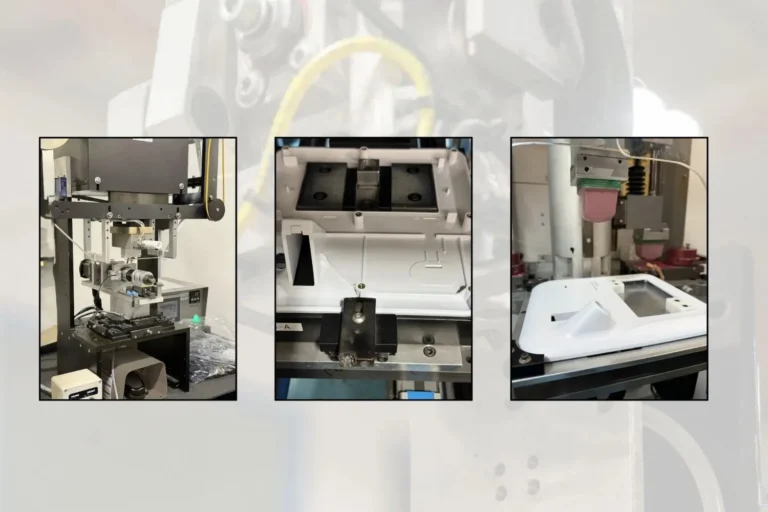
- Validation support: Providing consultative support for IQ/OQ/PQ to help qualify applicable plastics manufacturing processes in Mexico and the United States.
- Quality management: Maintaining ISO 9001:2015 certification alongside ISO 13485:2016.
Craftech’s operations in the United States and Mexico give medical OEMs a starting point for coordinating engineering, tooling, and production across both locations. Discuss your requirements with Craftech today to determine how our capabilities, validation support, and certification scope align with your program.
FAQs
1. Is ISO 13485 certification mandatory for medical injection molding suppliers?
ISO 13485 certification is not universally mandatory for every medical injection molding supplier. Requirements depend on applicable regulations, customer expectations, and the supplier’s role in the medical device supply chain.
2. Does ISO 13485 certification mean a supplier complies with FDA requirements?
No, ISO 13485 certification does not automatically establish compliance with every applicable FDA requirement. Since February 2, 2026, the FDA’s Quality Management System Regulation (QMSR) incorporates ISO 13485:2016 by reference for medical device manufacturers within its scope.
3. What should medical OEMs check when sourcing injection molding in Mexico?
Medical OEMs should verify the supplier’s ISO 13485 certificate, including its scope and covered facility. They should also review process validation, material traceability, inspection procedures, change control, and corrective action practices.