Your injection molding supplier may be close to your facility, but does that automatically make them the right choice? A manufacturer in another region might offer the engineering expertise, tooling capabilities, or production setup your project needs.
Yes, choosing a plastic injection molding partner in Chicago has its benefits, but sometimes so does looking beyond your immediate region. The key is knowing which option makes the most sense for your product, budget, and production needs. Let’s look at what matters before you decide.
Why Look Beyond Chicago for Injection Molding?
Yes, it may seem easier to choose a supplier for plastic injection molding in Chicago when you are based in the same region. It keeps transportation simple and can make coordination easier. Moreover, Chicago also has an extensive freight network connecting road, rail, air, and intermodal transportation. This gives you access to multiple shipping options when moving parts to your facility or customers.
These advantages can make choosing a plastics manufacturing company in Chicago a practical choice for your business. However, a strong freight network does not automatically mean your parts will arrive faster or cost less. What if a supplier outside the region offers the tooling expertise, engineering support, or production capabilities your product needs?
Would you choose a nearby supplier simply because they are closer, or consider a manufacturer that better matches your requirements? The right decision depends on more than location. You need to assess manufacturing capabilities, quality standards, total costs, delivery timelines, and how well the supplier can support your production needs.
That is where looking beyond Chicago can make sense. After all, a regional or cross-border manufacturing partner may sometimes offer a better fit for your product.
Three Things to Check Before Choosing an Injection Molding Partner Outside Chicago
Choosing a supplier outside Chicago means looking beyond the quoted price or advertised capabilities. You need to know whether the arrangement makes financial sense, meets your product requirements, and supports reliable production.
1. Will the Total Cost Work for Your Business?
A lower quote can look attractive until you account for everything involved in getting finished parts to your facility. Tooling, packaging, freight, and inventory can all affect your total manufacturing cost.
When comparing plastic injection molding suppliers, look at the costs involved beyond the quoted price. Consider:
- Tooling and production costs: Compare mold investment, unit pricing, and expected production volumes.
- Transportation: Account for freight charges, shipping frequency, and delivery requirements.
- Inventory: Consider whether longer replenishment times require additional safety stock.
- Unexpected expenses: Understand how expedited shipments, rework, or production delays could affect costs.
These factors help you compare the actual cost of each arrangement, rather than focusing on unit price alone.
Staying local may make the most sense if a plastic injection molding supplier in Chicago offers competitive pricing and keeps transportation costs low. However, a supplier outside Chicago could offer better overall value if the savings outweigh additional freight, inventory, and management costs. So, compare the total cost of each arrangement before deciding which supplier best fits your production needs.
2. Can the Manufacturer Meet Your Product Requirements?
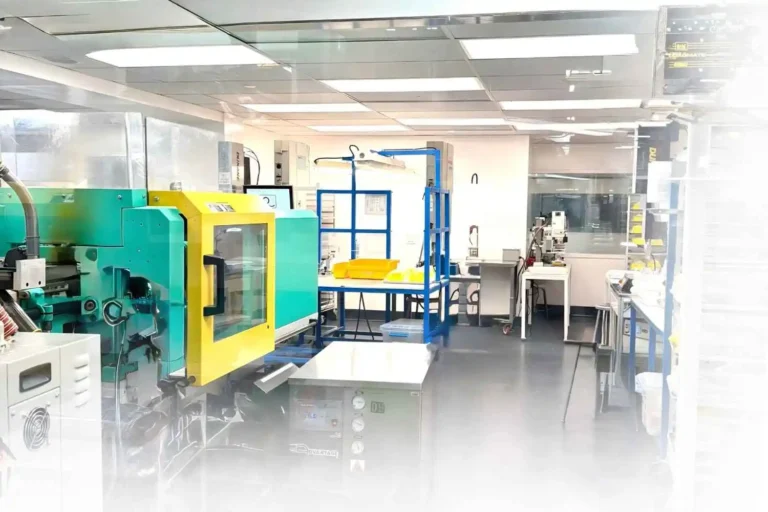
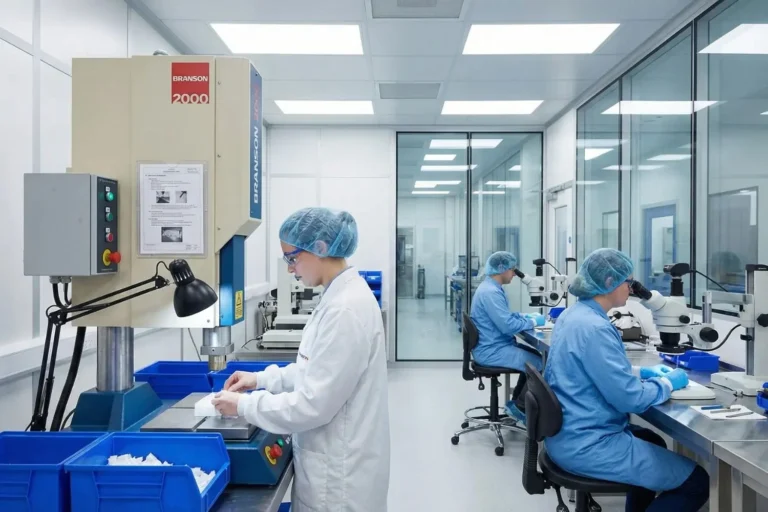
A competitive quote means little if the manufacturer cannot meet your product requirements. The same applies to a supplier with impressive capabilities that do not match your project. When evaluating plastic injection molding in Chicago, look beyond the company’s overall claims and assess the actual facility that will manufacture your parts.
That’s why it’s important to ask your potential manufacturing partner a few specific questions:
- Have you manufactured parts using similar materials, tolerances, and design requirements?
- Can your equipment accommodate our mold and production needs?
- Do you offer design reviews, mold making, and process engineering?
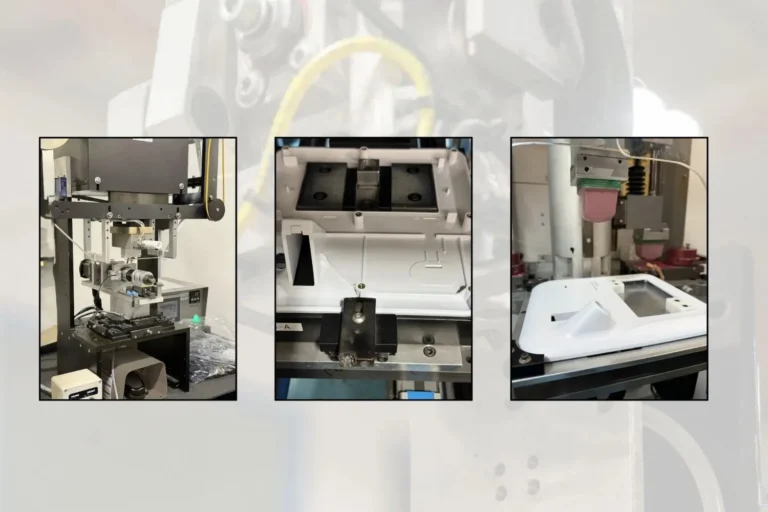
- Can you handle required assembly, finishing, or other secondary operations?
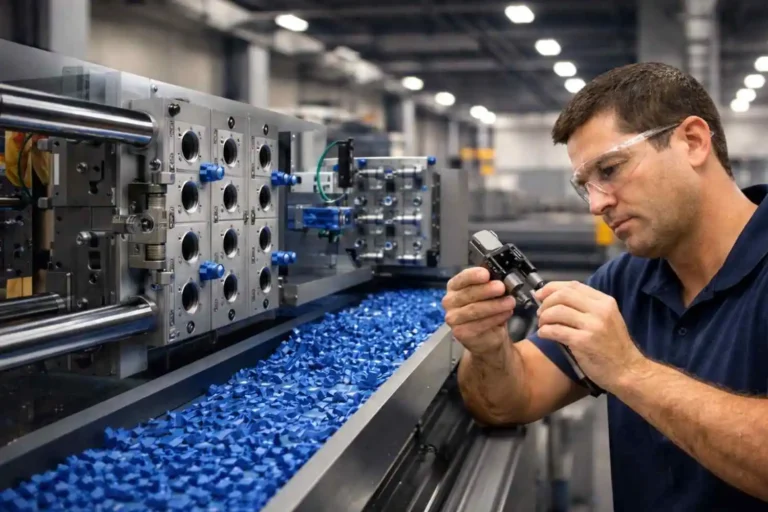
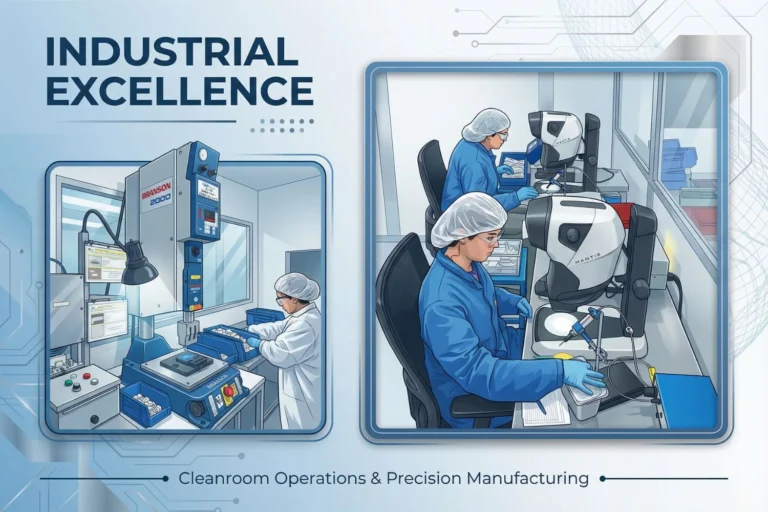
You should also understand how the facility maintains quality during production. Ask about inspection plans, dimensional measurements, process documentation, and applicable customer approvals.
The goal is to find a plastic injection molding company in or outside Chicago that can produce your parts consistently at the required scale. A facility that can produce a sample may not have the processes or capacity needed for reliable, full-scale production.
3. Can You Manage Production Smoothly Across Locations?
Choosing a plastics manufacturing company outside Chicago can give you more options, but it also means managing production across greater distances. Design changes, mold trials, quality issues, and shipment schedules may need coordination between teams working at different locations.
That’s why you need to understand how the manufacturer will keep your production running smoothly before you commit to plastic injection molding outside Chicago. Ask them:
- Who will manage tooling
- Who’d approve engineering changes
- How are production updates communicated
- Who’d resolve quality issues and how
Clear responsibilities become especially important when your teams cannot meet in person whenever a problem arises.
Note that delivery timelines also need a closer look. That’s why you need to ask how long it takes to move from tooling approval to finished-part delivery. The schedule should account for production, inspection, transportation, and customs clearance when applicable. You should also understand how the supplier will respond if production runs late or a shipment gets delayed.
These conversations help you determine whether a manufacturer in another region can support your delivery schedules and keep communication consistent. The goal is to find a partner whose plastics manufacturing processes and coordination practices work for your business, regardless of location.
Choose a Partner That Fits Your Supply Chain
The right manufacturing partner is not necessarily the closest one. It is the one that can meet your technical requirements, maintain quality, manage costs, and deliver reliably. Looking beyond Chicago can open up options. However, the real value lies in finding a partner whose capabilities and plastics manufacturing in Chicago fit your needs.
If you are comparing options for plastic injection molding in Chicago, consider whether a partner’s engineering support, tooling capabilities, and production locations align with your program. Look beyond proximity and compare what each manufacturer can bring to your project, from initial design decisions to ongoing production.
Craftech brings design and process engineering, mold making, injection molding, and advanced manufacturing together. With production facilities in Anaheim, California, and Tijuana, Mexico, we offer a U.S.-Mexico manufacturing model that buyers can evaluate when planning their supply chains.
Contact us when looking for trusted companies offering plastic injection molding in Chicago.
FAQs
1. Is plastic injection molding outside Chicago more cost-effective?
It can be, depending on tooling costs, production pricing, freight, inventory, and delivery requirements. Compare the total cost of getting finished parts to your facility rather than relying on unit pricing alone.
2. What should I consider when choosing a cross-border injection molding partner?
Evaluate the manufacturer’s technical capabilities, quality controls, shipping routes, customs requirements, and communication processes. Clarify tooling ownership, production responsibilities, and contingency plans before committing. Confirm applicable tariffs and trade requirements with a qualified customs professional.
3. How can I evaluate the reliability of a plastic injection molding supplier?
Ask for evidence of consistent production quality, relevant manufacturing experience, and documented inspection processes. Review how the supplier handles production changes, tooling maintenance, quality issues, and delivery delays. You should also confirm that the specific facility has the equipment and capacity to support your production volumes.