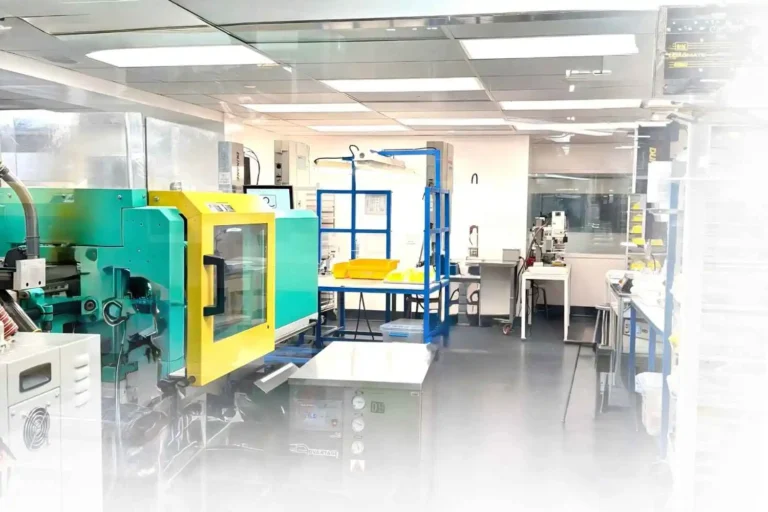
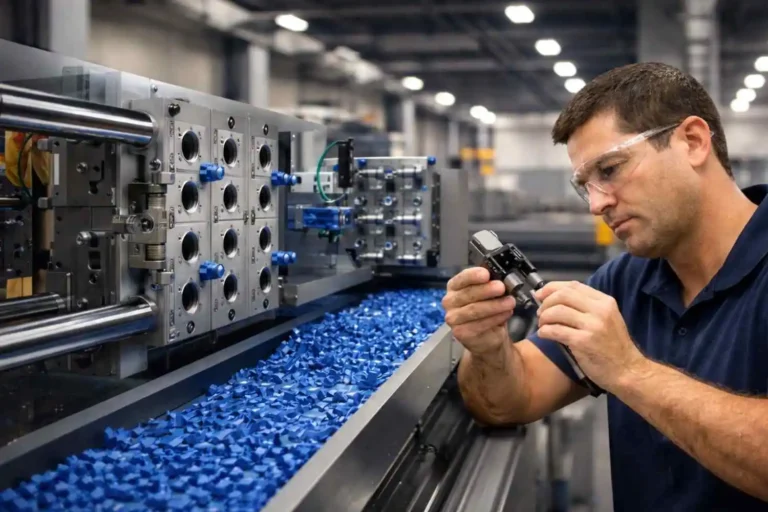
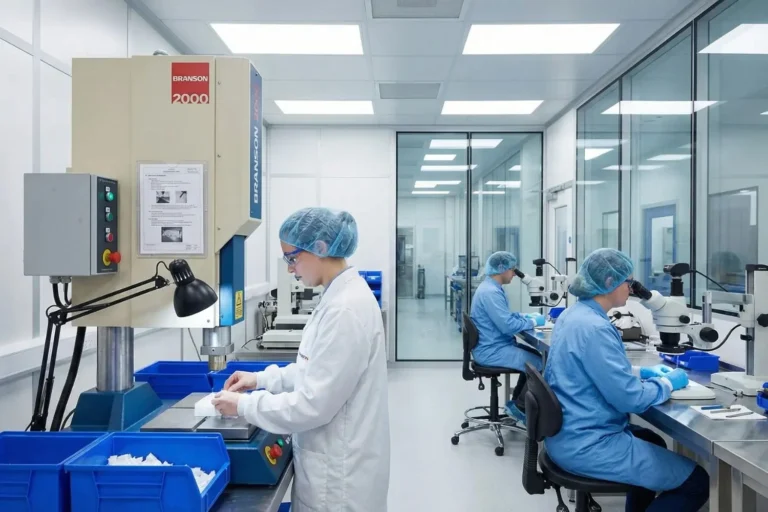
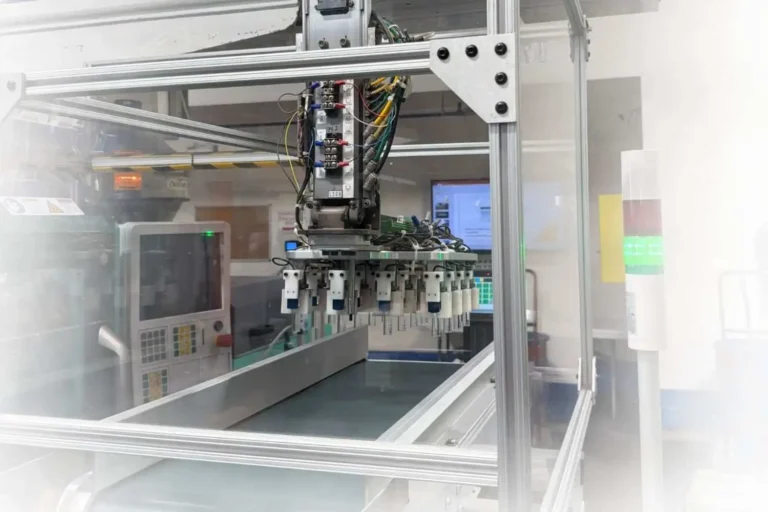
Modern injection molding production is evolving rapidly across today’s manufacturing industry. Production environments today look very different from traditional manufacturing operations.
Manufacturers are now relying more heavily on connected systems, smarter production environments, and real-time operational visibility. This is exactly where automation and AI are beginning to play a much larger role across injection molding in California.
But how exactly are these technologies changing modern manufacturing operations across The United States? More importantly, how are they helping manufacturers build smarter and more responsive production environments?
This article explores how automation and AI are reshaping modern injection molding production environments.
1. Injection Molding Production Is Becoming More Precision-Driven
Injection molding production today operates very differently from traditional manufacturing environments. Manufacturers are no longer focused only on producing larger volumes. Modern production environments now depend heavily on consistency, repeatability, and production stability across every manufacturing cycle.
This shift is changing what manufacturers expect from production systems. Companies today want tighter process control, lower production variation, and more predictable manufacturing performance across large production runs. This is one of the biggest reasons why automation adoption continues to increase across injection molding in California.
This Is Where Automated Systems Help Maintain Production Consistency
Automation systems are helping manufacturers maintain more stable and controlled production environments throughout the molding process. Different automated systems now support different stages of manufacturing operations, helping reduce unnecessary variation during production.
- Robotic Handling Systems help reduce unnecessary manual movement during production. This helps manufacturers maintain more repeatable handling conditions across large production volumes.
- Automated Part Removal Systems improve cycle consistency by removing finished parts at controlled intervals. This helps maintain more stable molding cycles throughout production.
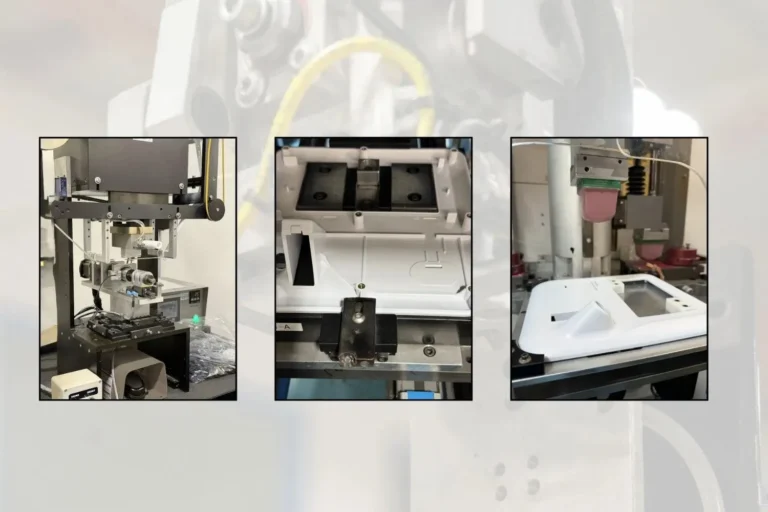
- Automated Insert Placement Systems help improve positioning accuracy during molding operations. Stable insert placement also helps manufacturers reduce alignment variation during production.
- Automated Production Systems help manufacturers maintain more predictable manufacturing conditions across long production runs. This becomes especially important in injection molding in
California, where manufacturers often operate in highly precision-driven production environments.
Together, these automated systems help manufacturers maintain more repeatable molding cycles and stable production conditions across large production volumes. This also helps manufacturers reduce unnecessary operational variation during production.
Such improvements become increasingly important in precision-driven manufacturing environments. Here, even small production inconsistencies can eventually affect product quality, assembly performance, or operational efficiency.
2. AI Is Helping Manufacturers Identify Problems Earlier
Traditional manufacturing environments often detect problems only after defects begin affecting production output. Manufacturers may already be dealing with material waste or production disruptions by that stage. Some may even deal with larger quality concerns across multiple production cycles.
This is where AI is beginning to transform manufacturing operations. Modern AI systems can analyze production conditions in real time and identify inconsistencies much earlier during the molding process. This is becoming increasingly important across injection molding in California.
Manufacturers in regions like this are under constant pressure to maintain stable and high-quality production environments. However, AI is becoming a real game-changer here.
Smart Monitoring Systems Are Improving Real-Time Production Control
AI-powered monitoring systems are helping manufacturers maintain better visibility throughout the production process. Different monitoring technologies are now supporting different stages of production analysis and quality control.
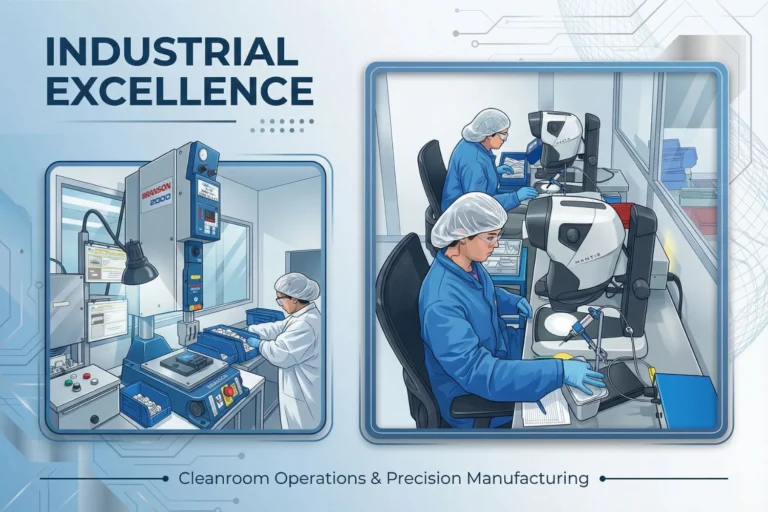
- Machine Vision Inspection Systems help manufacturers identify visible surface defects, dimensional inconsistencies, and molding irregularities during production.
- Automated Defect Detection Systems continuously analyze production output to identify inconsistencies before they begin affecting larger production volumes.
- Real-Time Monitoring Systems help manufacturers track production conditions continuously throughout manufacturing operations. This allows manufacturers to identify process instability much earlier during production.
- Continuous Production Analysis Systems help manufacturers monitor variation patterns across multiple production cycles. This improves overall production visibility and supports faster operational response when inconsistencies begin appearing.
Together, these AI-driven systems help manufacturers identify production instability much earlier during manufacturing operations. This allows production teams to respond faster and reduce unnecessary operational risk. It also helps them maintain more controlled manufacturing environments throughout large production runs.
3. Predictive Manufacturing Is Reducing Downtime and Production Interruptions
Unexpected downtime remains one of the biggest challenges in modern manufacturing environments. Production interruptions can delay operations, affect delivery timelines, and reduce overall manufacturing efficiency. Even small equipment failures can eventually create wider operational disruptions across multiple production systems in larger production environments.
This is one of the biggest reasons why predictive manufacturing is becoming increasingly important across injection molding in California.
Traditional manufacturing environments often react only after machines, molds, or production systems begin failing. However, manufacturers today are increasingly shifting toward predictive manufacturing systems.
Predictive Maintenance Helps Improve Production Stability
Modern predictive systems are helping manufacturers monitor production conditions much more closely throughout manufacturing operations.
- Sensor Monitoring Systems continuously track production conditions throughout manufacturing cycles. This helps manufacturers identify operational inconsistencies much earlier during production.
- Machine Behavior Analysis Systems help manufacturers monitor machine performance patterns over time. These systems can identify abnormal operational behavior before larger equipment problems begin developing.
- Pressure And Temperature Tracking Systems help manufacturers maintain more stable molding conditions throughout production. This improves overall process consistency across larger manufacturing runs.
- Mold Wear Prediction Systems help manufacturers identify early signs of tooling wear before production quality begins getting affected.
Together, these predictive systems help manufacturers maintain more stable production environments while reducing unexpected downtime risks. Predictive manufacturing also helps manufacturers identify maintenance requirements earlier. Moreover, they help improve overall operational planning before larger production disruptions occur.
4. Smart Manufacturing Systems Are Improving Scalability
Manufacturing environments today are becoming far more connected, scalable, and data-driven than before. Hence, manufacturers now need production systems that can respond faster to operational changes. On top of that, they need to do so while maintaining stable manufacturing performance across larger production volumes. This shift is also changing how manufacturing systems themselves operate.
This is exactly where Industry 4.0 is beginning to reshape modern injection molding production.
Industry 4.0 Is Reshaping Injection Molding Production
Industry 4.0 is helping manufacturers create more connected production environments across injection molding in California. As a result, manufacturers are increasingly adopting systems that support:
- Connected Production Equipment that helps manufacturers monitor multiple production systems more efficiently across manufacturing operations.
- Real-Time Parameter Adjustment Systems that allow manufacturers to respond faster when production variation begins affecting manufacturing conditions.
- Centralized Production Monitoring Systems that improve production visibility across different stages of manufacturing operations.
- Scalable Smart Factory Environments that help manufacturers manage larger production volumes more efficiently while maintaining operational consistency.
Together, these systems are helping manufacturers create more connected and intelligent production environments. Things like real-time production visibility are helping manufacturing operations become more responsive and easier to scale across larger production volumes. This responsiveness also helps manufacturers maintain better production consistency and operational efficiency throughout modern manufacturing environments.
5. Automation and AI Are Reshaping Modern Manufacturing Expectations
Automation and AI are no longer improving manufacturing operations alone. They are also changing what manufacturers expect from modern production environments. Manufacturers today increasingly expect:
- Faster Operational Response across production environments
- Lower Production Variation throughout manufacturing cycles
- Real-Time Production Visibility during manufacturing operations
- Predictive Manufacturing Support that helps reduce operational disruptions
- More Scalable Production Systems for growing manufacturing requirements
This transformation is becoming increasingly visible across injection molding in California.Manufacturers in regions like California are under constant pressure to maintain faster production, tighter consistency, and stable operational performance across growing production volumes. This is one of the biggest reasons why manufacturers are increasingly moving toward smarter manufacturing environments.
Smart Manufacturing Is Becoming The New Standard
Smart manufacturing combines connected systems, automation, real-time monitoring, and production intelligence. Together, they help manufacturers manage operations more efficiently and with greater production visibility. These systems are empowering manufacturers to:
- Respond Faster To Production Changes during manufacturing operations
- Maintain Better Production Consistency across larger production runs
- Improve Operational Visibility throughout different production stages
- Support More Scalable Manufacturing Operations as production demands increase
Manufacturing expectations continue evolving across modern production environments. This is increasing the need for smart manufacturing systems across operations related to injection molding in California.
Conclusion
Automation and AI are no longer improving only specific areas of manufacturing operations. They are gradually changing how modern production environments function as a whole.
Technologies like predictive manufacturing and smart monitoring systems are helping manufacturers create more connected production environments. They are also helping manufacturers respond faster to production challenges and maintain more stable manufacturing performance across larger operations. This shift is continuing to reshape modern injection molding in California and advanced processes like vertical press molding California manufacturers increasingly rely on for precision-driven production.
Manufacturers today increasingly rely on smarter production environments that can support long-term operational stability and more scalable manufacturing operations. This is exactly why partnering with the right manufacturing experts becomes increasingly important. Crafttech has become a trusted partner across the United States. We are here to help manufacturers build smarter and more reliable production environments across modern manufacturing operations. Reach out to our experts today!
FAQs
1. Which country is best for injection molding?
Countries like the United States, Mexico, China, and Germany are widely recognized for injection molding manufacturing. The best choice often depends on production volume, tooling requirements, quality expectations, and supply chain needs.
2. Who is the largest injection molding company in the world?
Several companies operate large global injection molding networks, including Berry Global, Jabil Inc., and Crafttech. Company size often depends on production capacity, global presence, and manufacturing capabilities.
3. How much does it cost to do injection molding?
Injection molding costs vary depending on tooling complexity, production volume, material selection, and component design. Small production runs may cost more per part, while high-volume manufacturing reduces overall unit costs.