Automotive components must meet strict performance and quality standards. However, achieving that level of consistency depends on how well the manufacturing process is executed from the start.
This is where automotive injection molding in California plays a critical role. It follows a structured process that aligns design, material selection, tooling, and production to deliver reliable outcomes. In this article, we break down how this process works step by step. This will help you understand what drives precision, consistency, and performance in automotive manufacturing.
It Begins with Design and Engineering Alignment
The process of automotive injection molding begins with designing the component that needs to be produced. At this stage, engineers define the geometry of the part. They also evaluate how the part will behave during the molding process.
These decisions are made while considering key manufacturing conditions such as material flow, cooling rates, and mold constraints. Each of these factors directly affects how the part fills, solidifies, and maintains its shape during production. This step ensures that design and manufacturing are aligned from the start.
- Wall thickness is adjusted to ensure uniform flow.
- Structural areas are reinforced to maintain strength without creating stress points.
- Every design decision is made to prevent defects before they occur.
This is where control is built into the process.
Manufacturers of automotive injection molding in California support this stage with simulation tools. These tools help visualize:
- How molten material moves through the mold
- How the part cools
- Where potential issues may develop
This level of insight ensures that designs are refined before tooling begins. It also reduces the risk of defects and ensures that production starts on a stable and predictable foundation.
Material Selection Defines Performance
At this stage, the focus shifts to how the automotive component will perform under real operating conditions. These decisions are made while considering factors such as:
- Heat exposure
- Mechanical load
- Environmental conditions
Automotive components are regularly exposed to these conditions during operation. Each factor directly affects durability and long-term reliability. Hence, evaluating materials against these conditions ensures that performance requirements are defined early.
Based on these requirements, manufacturers of automotive injection molding in California commonly use engineering-grade plastics such as ABS, nylon, and polycarbonate. They are selected because they offer:
- High strength to withstand mechanical stress
- Thermal resistance to perform under elevated temperatures
- Chemical stability to resist exposure to fluids and contaminants
Each of these materials behaves differently during the molding process. They will differ in how molten plastic flows in the mold or cools down. It will also impact how well the final part maintains its structure after solidification. All these characteristics must align with both the design and the manufacturing process. This ensures that the final component performs reliably without compromising efficiency or structural integrity.
Tooling Converts Design into Reality
At this stage, the focus shifts from planning to creating the mold that will produce the automotive component. Here, the mold is built based on the approved part design.
It defines the exact shape, surface finish, and structural details of the final component. Every feature in the design is translated into the mold. It means any inaccuracy at this stage will directly affect part quality. This is why tooling requires a high level of precision.
Even small variations in mold dimensions or alignment can lead to defects such as improper filling, surface imperfections, or dimensional inconsistencies. To prevent this, the mold design is carefully planned and validated before production begins.
Manufacturers of automotive injection molding in California support this stage using simulation and prototyping. Simulation tools are used to test how the selected material will behave inside the mold. Prototypes may also be developed to verify fit, form, and performance. These steps help confirm that the mold will function as expected under real production conditions.
This stage establishes the foundation for consistent production.
At the end of the day, a well-designed and validated mold ensures that every part produced meets the required specifications with minimal variation.
The Injection Molding Process Shapes the Part
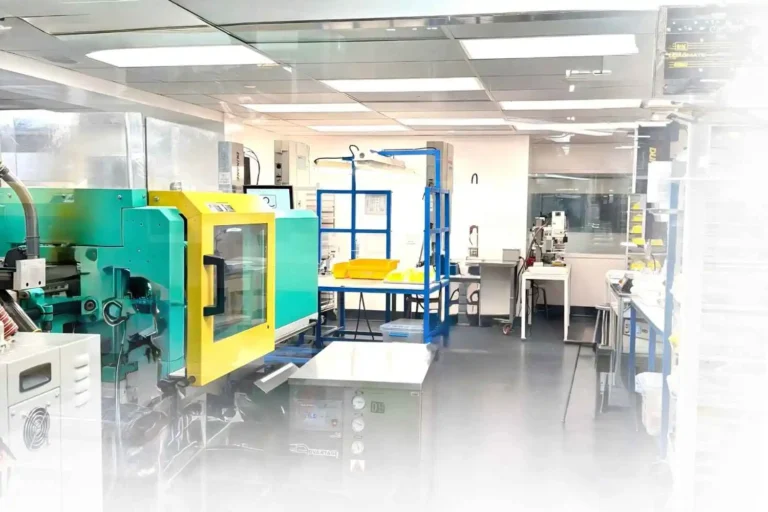
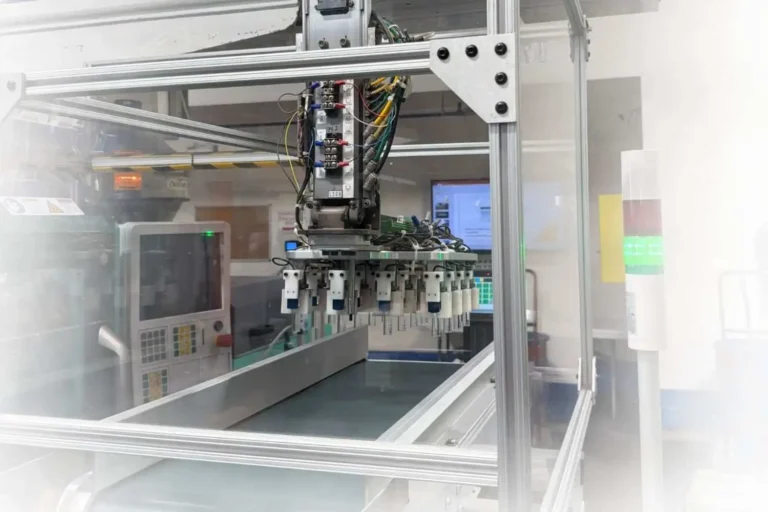
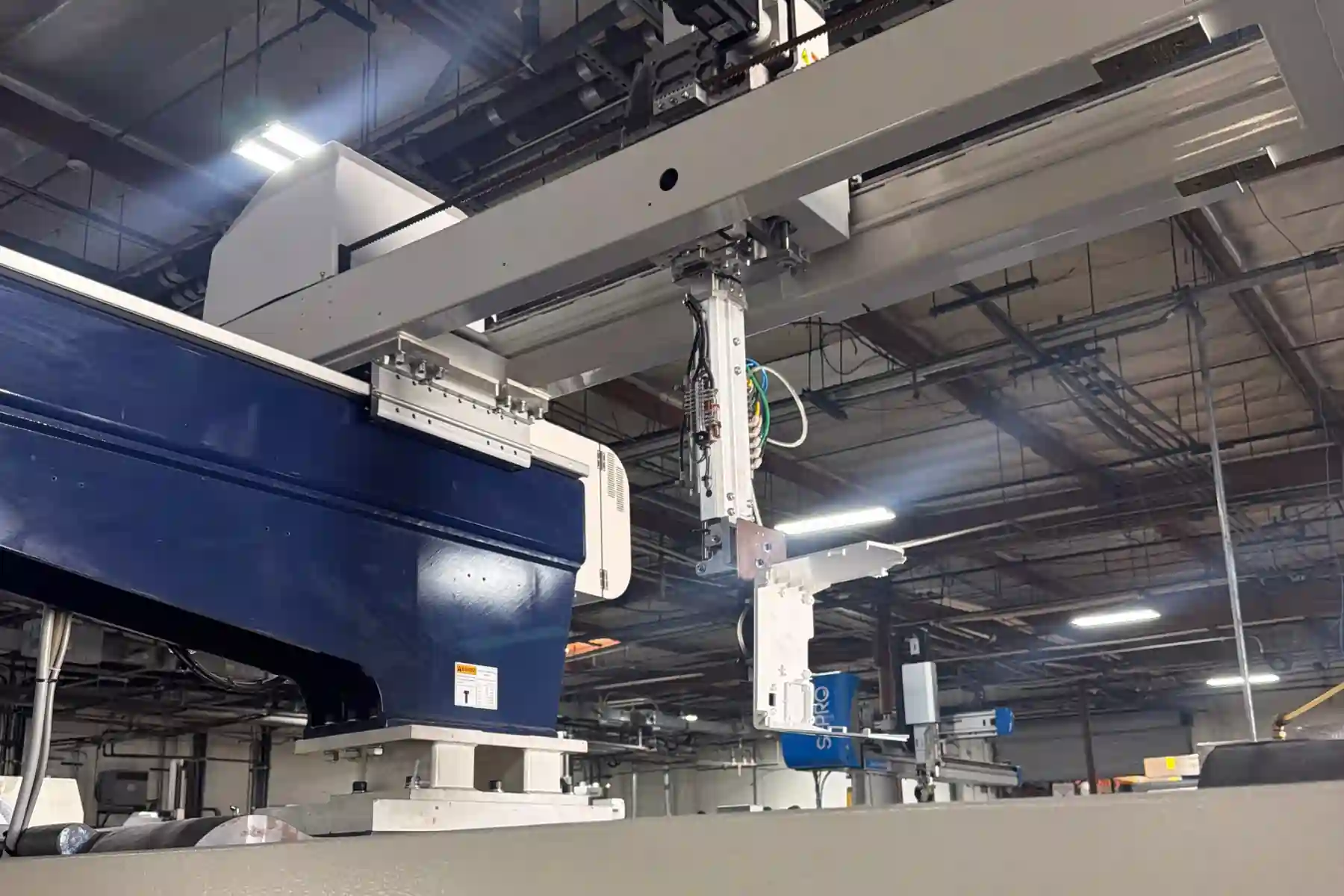
Once the mold is ready, production begins. The process of automotive injection molding in California follows a controlled sequence:
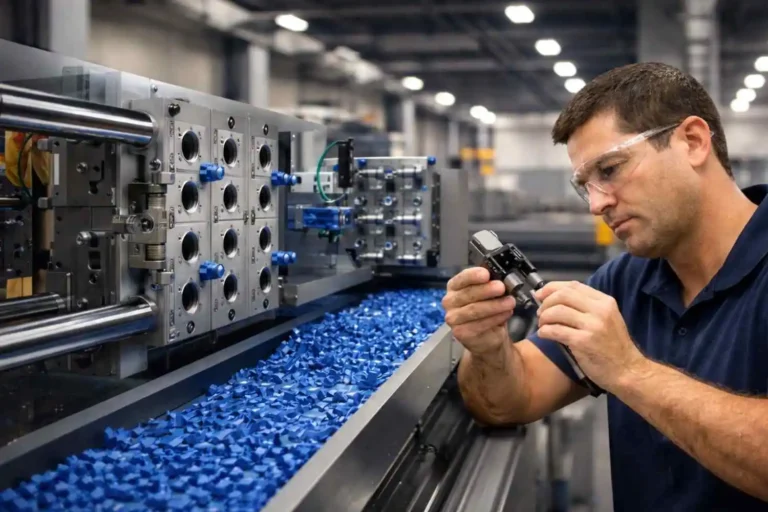
- Plastic pellets are fed into the machine and heated until they become molten
- The molten material is injected into the mold cavity under controlled pressure through a nozzle
- The material flows through the cavity, filling every section of the mold to form the defined shape
- The molded automotive component is then cooled within the mold until it solidifies and retains its structure
- The finished automotive component is ejected from the mold
Each step in this sequence is interconnected. The way the material is heated affects how it flows into the mold. The injection pressure determines how completely the cavity is filled. Cooling conditions influence how the part solidifies and maintains its shape. This is why control is critical at every stage.
Temperature, pressure, and cycle time must be carefully managed to ensure consistent results. Even small variations in these parameters can lead to defects such as warping, shrinkage, or incomplete filling.
Quality Control Ensures Consistency
Automotive components must meet strict quality and performance standards. This makes quality control a continuous part of the injection molding process, not a final checkpoint.
Control begins during production. Manufacturers monitor key parameters such as temperature, pressure, and cycle time in real time. These parameters directly influence how each part is formed. This means any variation must be identified and corrected immediately.
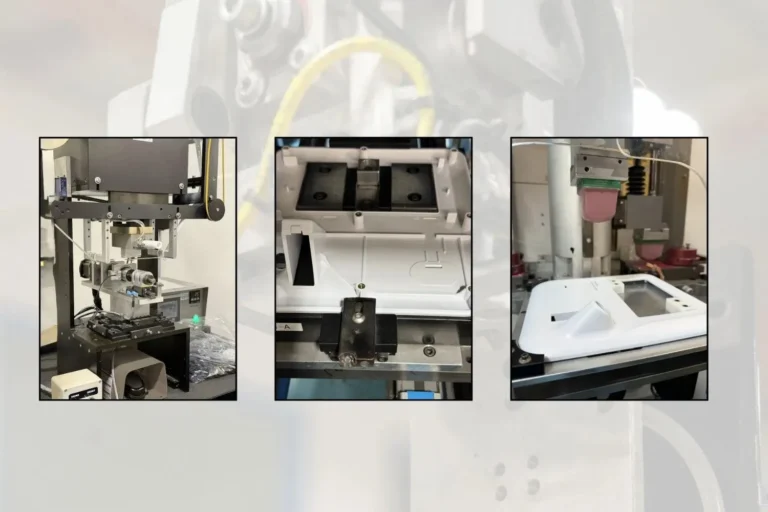
At the same time, finished components are inspected for defects such as warping, shrinkage, or surface inconsistencies. This ensures that the part matches both design specifications and performance requirements. This approach creates consistency across production.
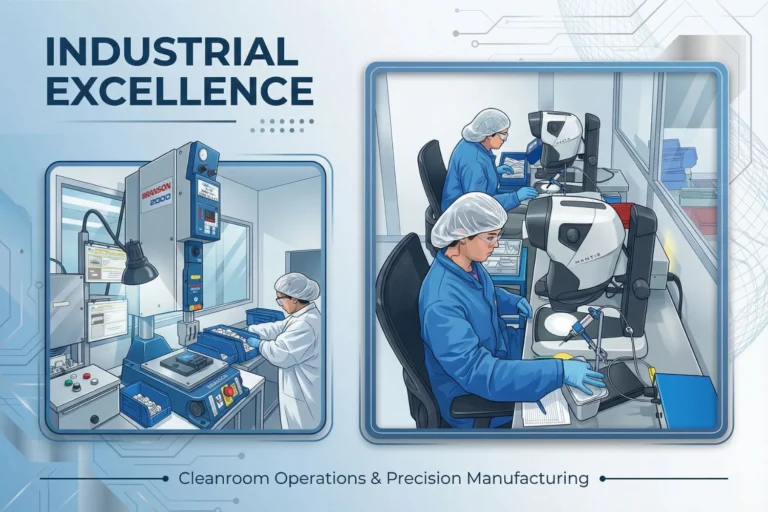
Quality control is integrated into every stage of manufacturing during automotive injection molding in California. Each cycle is monitored, evaluated, and adjusted as needed. This reduces variation, prevents defects, and ensures that every component meets the required standards with reliability.
Conclusion
Automotive injection molding is not just a manufacturing process. It is a controlled system where every stage directly influences the final outcome.
Each step, as mentioned in this article, works together to ensure consistency and performance. When executed correctly, the process reduces defects, improves efficiency, and delivers components that meet strict automotive standards. This is what defines automotive Injection Molding in California. It combines advanced technology with disciplined execution to produce reliable, high-quality parts at scale.
At Craftech, this approach is built into how we operate. We align every stage of the process to deliver precision, consistency, and dependable results for our clients.
FAQs
1. What is automotive injection molding in California used for?
It is used to produce automotive components such as dashboards, housings, and structural parts that require precision, durability, and consistency.
2. How does automotive injection molding ensure part quality?
Quality is maintained through controlled processes, real-time monitoring, and inspection at every stage of production.
3. Why is California a preferred location for automotive injection molding?
It offers advanced manufacturing capabilities, skilled expertise, and strong quality standards that support reliable and scalable production.