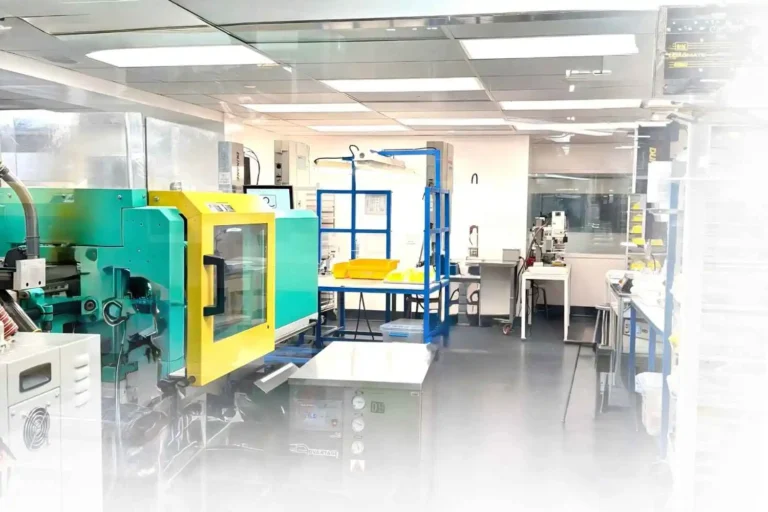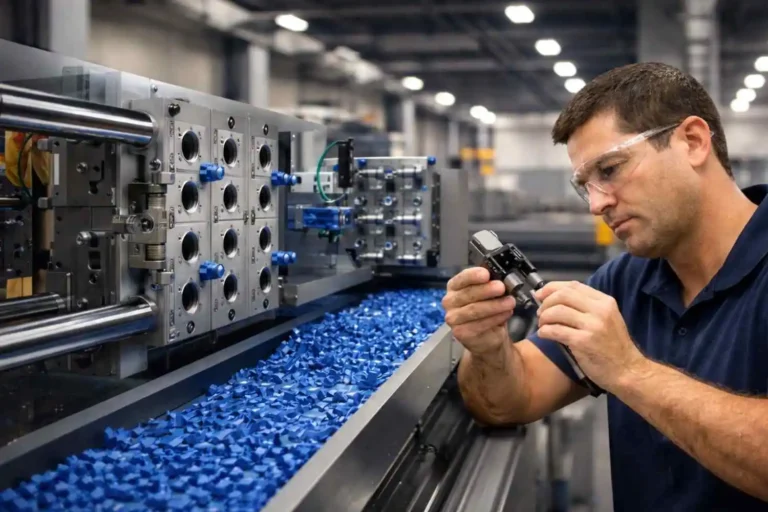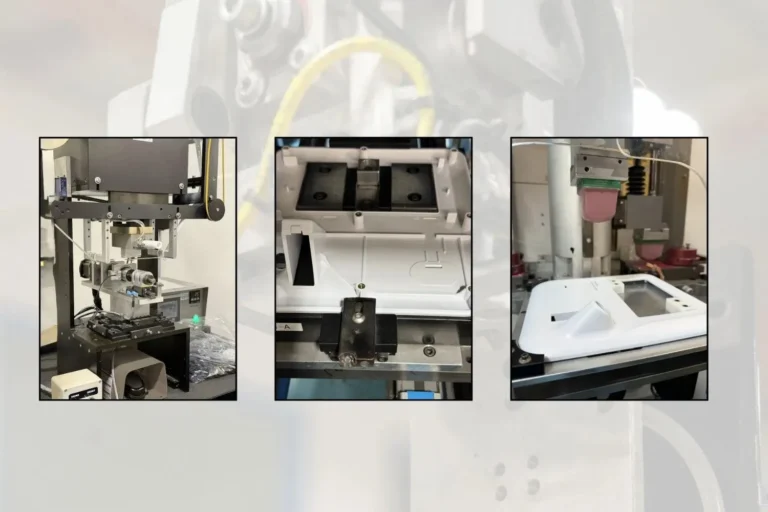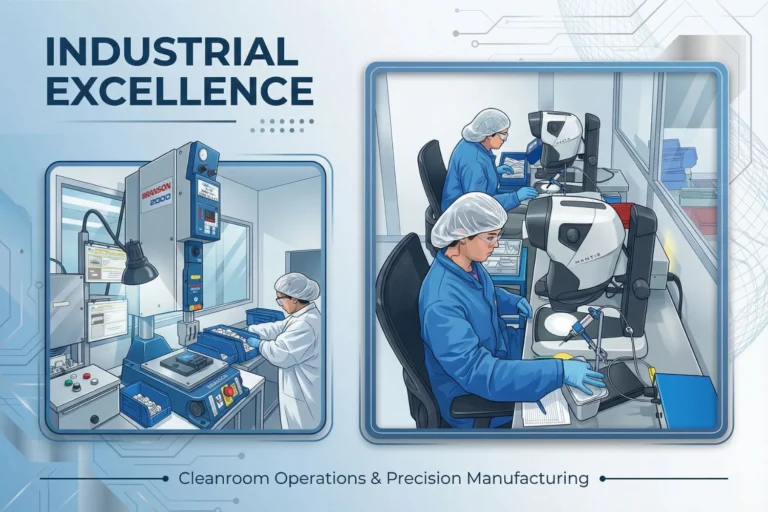
Injection molding was once defined by stable, process-driven production. However, it is entering a new phase of transformation. It is now being shaped by rapid technological advancement and evolving industry expectations. Manufacturers are not just adapting to change. They are actively integrating new tools, systems, and materials to improve how parts are designed, developed, and produced.
This shift is clearly visible in custom injection molding in Dallas, where innovation is beginning to redefine how modern manufacturing operates. So, what are the key trends driving this change?
1. Advanced Tooling Is Redefining Speed and Flexibility
Tooling has always been a critical part of injection molding, as it directly shapes how a product is formed and produced. However, traditional tooling methods often slow down development because molds take time to design, test, and refine. This is where the shift begins.
Technologies such as 3D printing are changing how molds are developed. Manufacturers can now create complex mold geometries with greater speed and precision. With this, designs that were once difficult to produce using conventional methods can now be built more efficiently. This has a direct impact on early-stage product development.
Prototypes of injection-molded parts can now be created and tested much earlier in the process. Design adjustments can be made without restarting tooling from scratch. Moreover, each of these iterations becomes faster and more controlled. As a result, the path from concept to production becomes shorter.
This is especially valuable in custom injection molding in Dallas. Here, manufacturers are expected to move quickly while maintaining precision. Advanced tooling allows them to do just that by responding to design changes without slowing down production timelines.
2. Automation and Robotics Improve Consistency and Efficiency
Production efficiency is no longer driven by speed alone. It is defined by how consistently that speed can be maintained across every cycle. This is where automation and robotics begin to play a critical role.
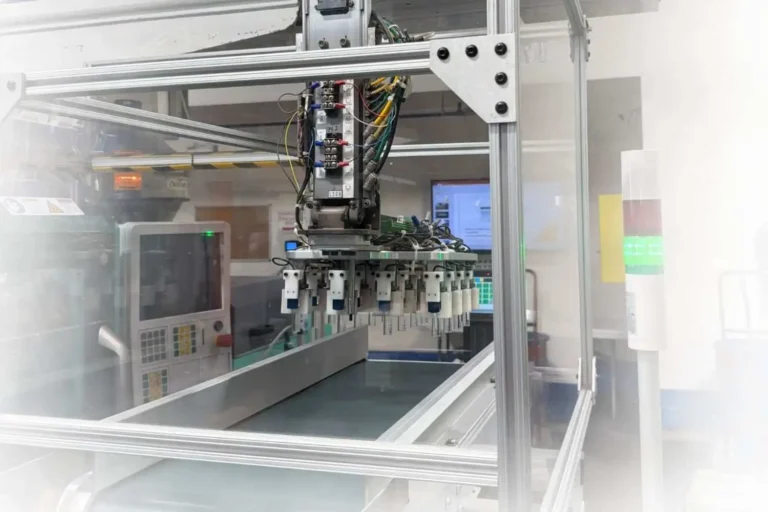
Modern manufacturing facilities, such as those offering custom injection molding in Dallas, are increasingly using robotic systems. Here, robotics is used to handle repetitive tasks such as part removal, assembly, and inspection.
These tasks require precision but are also prone to variation when performed manually. Automation helps reduce this variation by limiting human intervention where consistency matters most. With this, production becomes more stable.
Moreover, the use of collaborative robots, or cobots, is also expanding. Cobots are now designed to work alongside human operators. They support tasks that require repetition or precision, while operators focus on oversight and decision-making. This creates a more balanced production environment.
All this helps to improve efficiency because processes run with fewer interruptions. At the same time, quality remains consistent because each cycle is executed under controlled conditions.
3. Simulation Software Enables Smarter Decision-Making
Injection molding has always required precision, but one of its biggest challenges lies in predicting how a part will behave before production begins. This is where simulation software is changing the process.
Manufacturers offering custom injection molding in Dallas are now using advanced simulation tools to model the entire molding cycle before a mold is even built. These tools analyze
- How molten material flows through the mold,
- How it fills complex geometries,
- How it cools and solidifies.
With this level of insight, potential issues become visible much earlier.
Defects such as warping, sink marks, or uneven filling can be identified during the design stage itself. This allows engineers to refine part geometry, gate placement, and material selection before moving into tooling. As a result, the process becomes more controlled.
Moreover, fewer errors occur during production because decisions are based on data, not assumptions. Tooling adjustments are also reduced, and production runs begin with greater confidence. This trend is redefining how injection molding projects are executed. It’s helping manufacturers in preventing problems during the design stage instead of reacting to them during production.
4. Material Innovation Expands Application Possibilities
The materials used in injection molding are evolving! This shift is directly influencing how products are designed and manufactured.
Manufacturers are now working with advanced polymers that offer improved strength, durability, and thermal resistance. These materials allow injection-molded parts to perform reliably even in demanding environments. At the same time, there is a growing focus on sustainability.
Biodegradable plastics and recycled polymers are becoming more viable for injection molding applications. This change is not just driven by environmental goals, but also by regulatory requirements and shifting market expectations. With this, the role of material selection is becoming more strategic.
Manufacturers offering custom injection molding in Dallas today are not just choosing materials based on cost or availability. They are now also focusing on performance, compliance, and environmental impact.
As materials continue to advance, so do the possibilities in injection molding. This means products can now be designed to meet more specialized requirements. They can successfully meet qualities such as higher strength, better heat resistance, or improved sustainability. This allows manufacturers to serve a broader range of industries while maintaining precision and consistency in production.
5. Digital Integration Is Connecting the Entire Process
Injection molding is becoming more connected as digital systems begin to integrate every stage of production. Manufacturers offering custom injection molding in Dallas are now using connected machines and monitoring tools to track the molding process in real time. It means parameters such as temperature, pressure, and cycle time can be measured continuously. This has empowered teams to see exactly how each part is being produced.
The process becomes more transparent with this level of visibility. Moreover, data from these systems is now used to identify inefficiencies and detect variations. Additionally, teams can now also predict maintenance needs before issues begin to affect production.
All this has allowed manufacturers to make adjustments during the molding cycle instead of reacting to them later. This changes how control is maintained.
- Processes are becoming more stable because they are guided by real-time data.
- Downtime is reduced because potential failures are addressed early.
- At the same time, consistency improves across production runs.
Injection molding facilities are becoming more adaptive as digital integration continues to evolve. Production is no longer static. It responds to data, adjusts to conditions, and improves continuously, allowing manufacturers to maintain both efficiency and precision at scale.
Conclusion
Advancements in tooling, automation, simulation, materials, and digital integration are changing how manufacturers approach production. These developments are not just improving processes. They are helping manufacturers reduce risk, improve consistency, and make better decisions earlier in the cycle. This creates a clear shift in how projects are executed.
Manufacturers are now able to move faster without compromising precision. They can identify issues earlier, adapt to changes more effectively, and maintain greater control over quality and timelines. This is why custom injection molding in Dallas continues to evolve as a more advanced and reliable manufacturing approach.
At Craftech Plastics, this shift is reflected in how we support our clients. We combine advanced technologies with proven expertise to help manufacturers achieve high-quality outcomes in an increasingly demanding environment. Contact us today!
FAQs
1. What is custom injection molding in Dallas used for?
Custom injection molding in Dallas is used to produce parts that require specific designs, materials, and performance standards. It supports industries such as medical, automotive, and electronics.
2. Why do manufacturers choose custom injection molding in Dallas?
Manufacturers choose custom injection molding because it offers flexibility, faster development, and access to advanced technologies. It also allows better control over quality, timelines, and production outcomes.
3. How does custom injection molding improve product development?
Custom injection molding allows manufacturers to test designs, refine parts, and move into production with greater accuracy. This reduces errors, shortens development cycles, and improves overall product performance.