Medical device manufacturing is not a forgiving industry. Every component must meet strict standards and perform as intended. After all, even a small failure can have serious consequences.
Because of this, manufacturers do not make decisions in isolation. They evaluate every factor that can influence quality, compliance, and production reliability. Location becomes a part of that decision! Not just from an operational standpoint, but from a risk and control perspective.
This is where injection molding in Southern California begins to stand out. The region is not chosen by chance. It’s chosen for infrastructure, expertise, and consistency that medical device manufacturing demands. But what exactly makes it such a deliberate choice for OEMs?
The Ecosystem Was Built Around This Industry
Southern California did not develop its position in medical device manufacturing by chance. It has been built over time! It’s shaped by the presence of more than 100 industry leaders, startups, and scale-ups operating within the region. Together, these companies represent over $100 billion in market value. Moreover, they generate more than $20 billion in annual revenue.
This level of concentration has created something far more valuable than scale. It has created an ecosystem.
In this environment, suppliers, molders, and manufacturers do not operate in isolation. They exist within close proximity. This allows them to work more closely and respond efficiently to industry demands. This becomes especially important in injection molding.
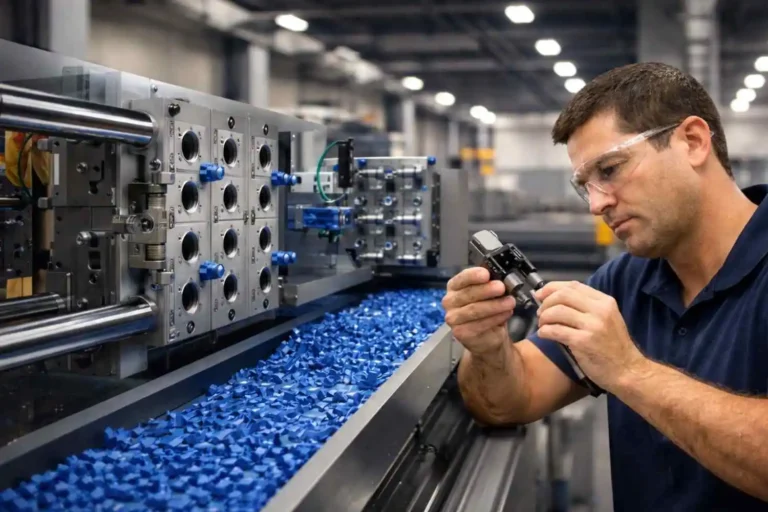
Medical clusters in San Diego and Orange County are home to some of the most advanced plastic injection molding companies. These manufacturers specialize in precision medical components. Even small variations are not acceptable to them. This makes accuracy, consistency, and compliance essential to them.
- Collaboration becomes more effective because these capabilities exist within the same ecosystem.
- Proximity to medical device companies allows for faster iteration.
- Communication becomes more direct.
- Quality control improves because teams are able to stay closely aligned throughout the process.
This level of integration is essential in a compliance-driven industry. It helps manufacturers maintain tighter control over quality while reducing delays and production risks.
A Talent Pipeline That Feeds Directly Into Manufacturing
Skilled engineers are not developed overnight. They are trained within systems that are closely aligned with industry needs. Southern California offers exactly that.
The region is home to institutions that actively prepare talent for medical device manufacturing. Programs here are built around real-world applications in design, production, and quality control.
For example, UCI’s biomedical engineering program focuses on preparing graduates for roles in:
- Medical device development
- Manufacturing processes
- Quality and compliance systems
At the same time, UCSD’s bioengineering faculty operates alongside a strong medical device ecosystem. This creates a direct connection between education and industry. Students are not just learning theory. They are entering an environment where their skills are immediately relevant.
This connection is further strengthened by location. Universities like UCI provide students with access to internships. They also offer job opportunities across Southern California’s biotechnology and medical device companies. As a result, many graduates build industry relationships even before they enter the workforce. This creates a continuous flow of talent into manufacturing.
However, the impact goes beyond hiring. Over time, this pipeline builds institutional knowledge across the region. Engineers entering the workforce in Southern California do not just understand technical requirements. They also understand the regulatory and operational expectations of medical manufacturing.
This means manufacturers get to work with teams already aligned with the demands of the industry.
A Regulatory Culture That Matches Industry Expectations
FDA-compliant injection molding cannot be treated as an add-on. It requires a system that is already built for compliance, including:
- Validated processes
- Documented traceability
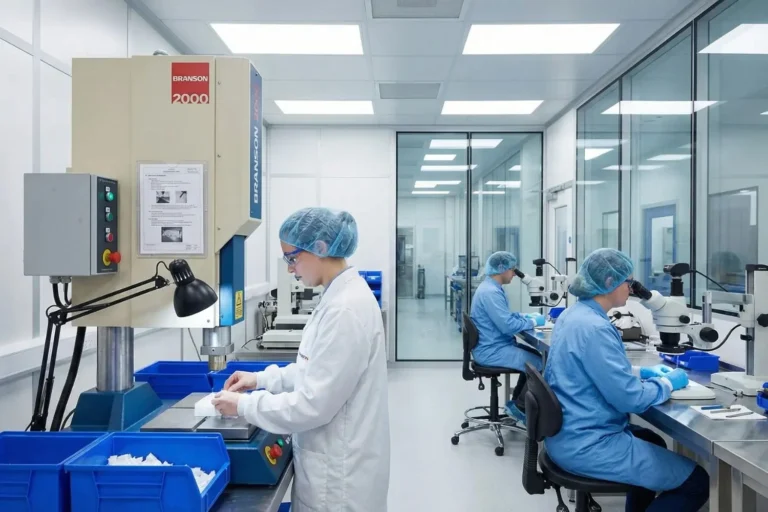
- Cleanroom environments
- Quality systems aligned with ISO 13485
Southern California manufacturers have operated within this framework for decades. As a result, compliance is not something they prepare for later. It is already part of how production is managed.
This becomes especially important during FDA audits and regulatory reviews. At this point, OEMs must demonstrate how their products are manufactured. They need to verify processes and review documentation. Moreover, they need to ensure that every requirement has been consistently followed.
This is where domestic molders operating under ISO 13485 systems make a difference. They allow OEMs to:
- Observe operations directly
- Verify documentation in real time
- Assess compliance with full transparency
Regulatory submissions become stronger and more reliable due to this.
The region’s familiarity with FDA expectations further improves this process. Audits follow a more predictable path. Moreover, any questions around validation or documentation can be resolved quickly.
This helps reduce uncertainty for medical device manufacturers. Instead, it begins to support smoother approvals and lowers the risk of compliance-related delays.
Supply Chain Access That Reduces Risk
Material sourcing and distribution are not just operational tasks in medical manufacturing. They directly influence reliability, timelines, and overall production risk. This means any disruption in material availability can affect the entire process.
This is where injection molding in Southern California offers a clear advantage. The region is supported by the Ports of Los Angeles and Long Beach. Both of these places handle nearly 40 percent of containerized imports into the United States. This makes them a critical gateway for goods moving between Asia and North America.
- Material flow becomes more efficient because of this proximity.
- Lead times are shorter.
- Transportation is more predictable.
- Delays caused by extended logistics routes are reduced.
This becomes especially important for injection molding operations that rely on specialty resins and biocompatible polymers. These materials are not always easy to source or replace. Moreover, any delay in their availability can slow down production or disrupt schedules.
This is where working with providers offering injection molding in Southern California begins to reduce that risk.
When manufacturers operate within this ecosystem, they experience:
- Material availability becomes more reliable.
- Production planning becomes more stable.
- Teams can operate with greater confidence, knowing that critical inputs will arrive when needed.
In this context, proximity is not just a logistical benefit. It is an operational safeguard.
A Manufacturing Infrastructure That Matches Production Scale
Medical device production requires more than capacity. It requires the ability to scale without compromising precision or compliance. This is where injection molding in Southern California stands out.
The region’s manufacturing infrastructure has evolved to support the full spectrum of medical production requirements. Manufacturers here operate across both high-volume production and precision-driven components. It allows them to meet varying demands within the same system.
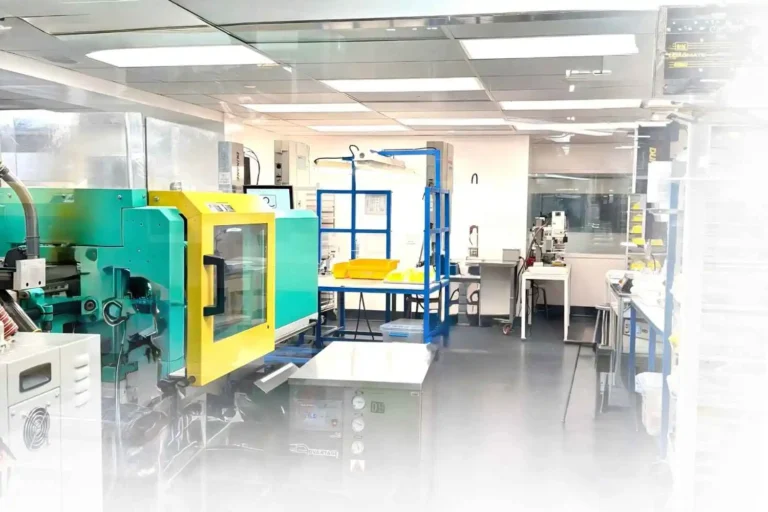
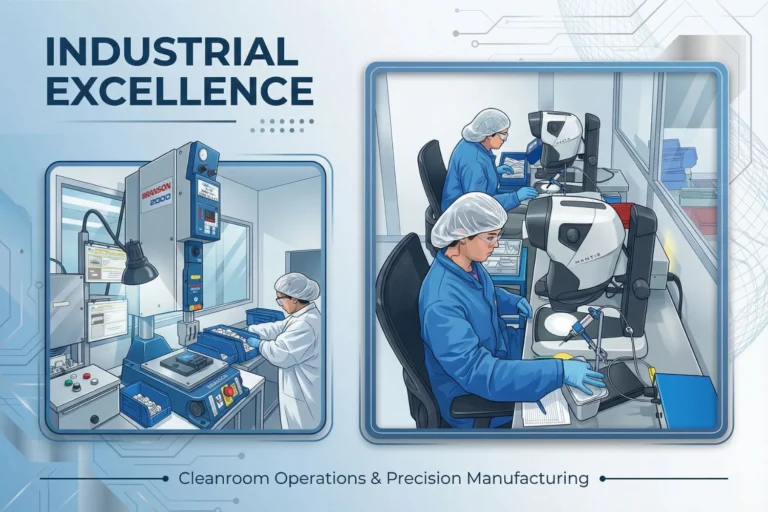
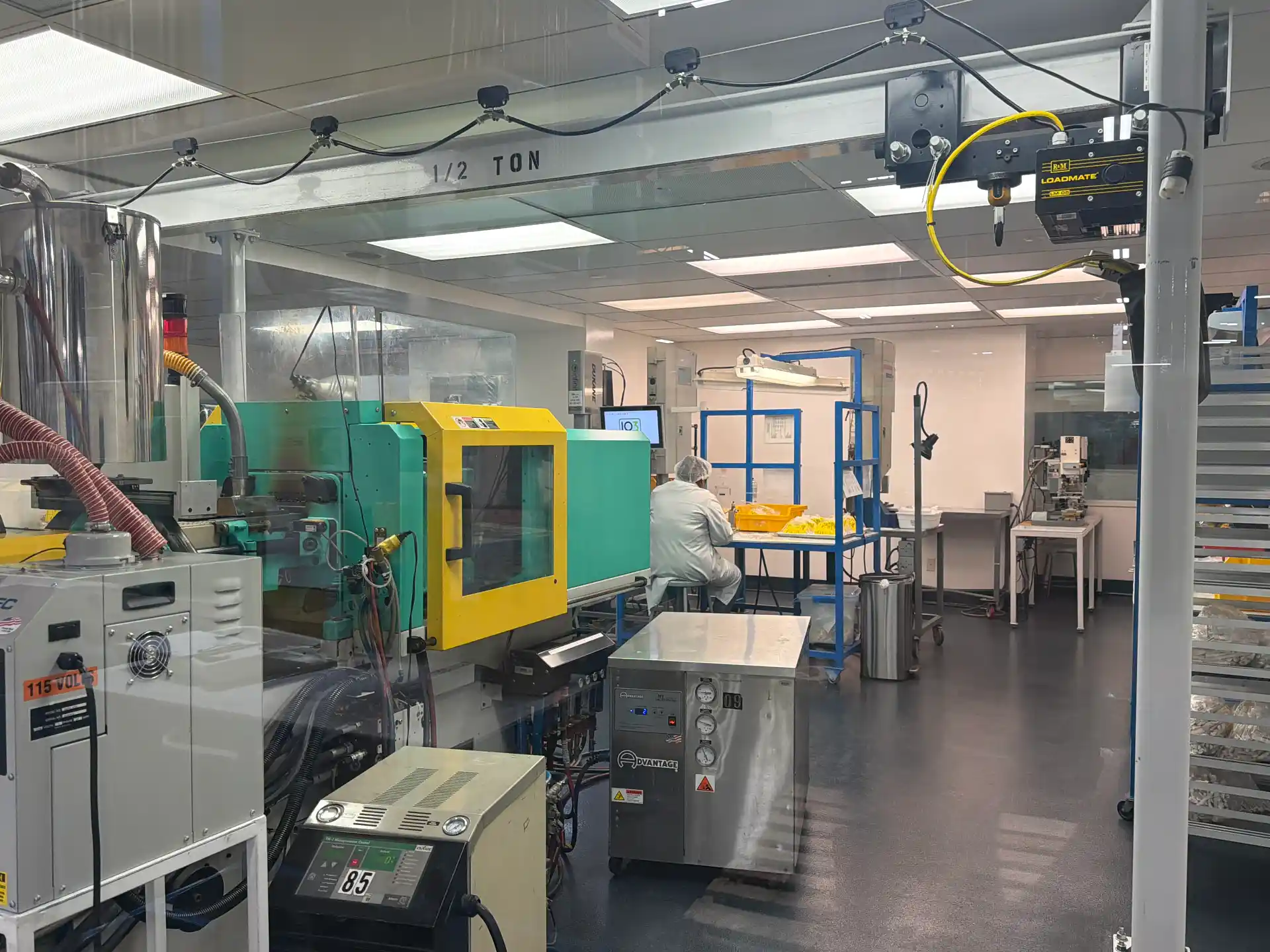
Cleanroom environments, including ISO Class 7 and 8, are also well-established across the region. These facilities are not limited to select operations. They are integrated into how production is managed at scale.
What makes this ecosystem distinct is how scale and precision work together. Manufacturers have invested in both capacity and process control. It allows OEMs to move from prototype validation to full production without changing partners. The best part here is that all this is done without renegotiating quality standards.
This continuity becomes a key advantage when working with providers offering injection molding in Southern California because:
- Production scales efficiently.
- Quality remains consistent.
- The transition from development to manufacturing becomes far more controlled.
Conclusion
Choosing a manufacturing location for medical devices is not just an operational decision. It is a decision that directly affects quality, compliance, and long-term reliability.
Southern California stands out because it brings together everything the industry requires. A strong ecosystem, skilled talent, regulatory alignment, and reliable supply chains all exist within the same environment. This reduces uncertainty at every stage of production.
This means better control, fewer disruptions, and more consistent outcomes for OEMs. At Craftech Plastics, this approach is built into how we support medical device manufacturers. We deliver precision and reliability where it matters most.
This is why many organizations continue to choose injection molding in California. Not for convenience, but for confidence in every stage of production.
FAQs
1. Why is Southern California preferred for medical device injection molding?
It offers a strong ecosystem, regulatory readiness, skilled talent, and reliable supply chains. These factors help manufacturers maintain quality, compliance, and production consistency.
2. How does injection molding in Southern California support regulatory compliance?
Manufacturers operate under ISO 13485 systems with established FDA processes. This makes audits more predictable and helps ensure smoother regulatory approvals.
3. What role does location play in medical device manufacturing?
Location affects supply chain reliability, communication, and access to expertise. It directly influences production timelines, quality control, and overall risk management.