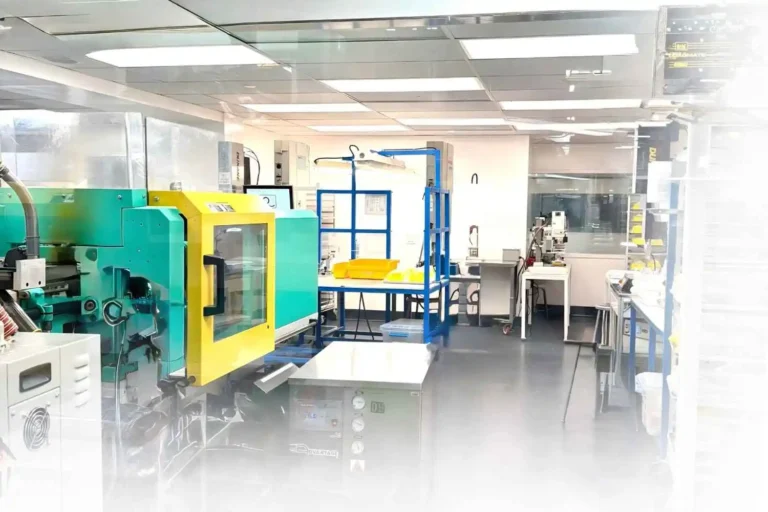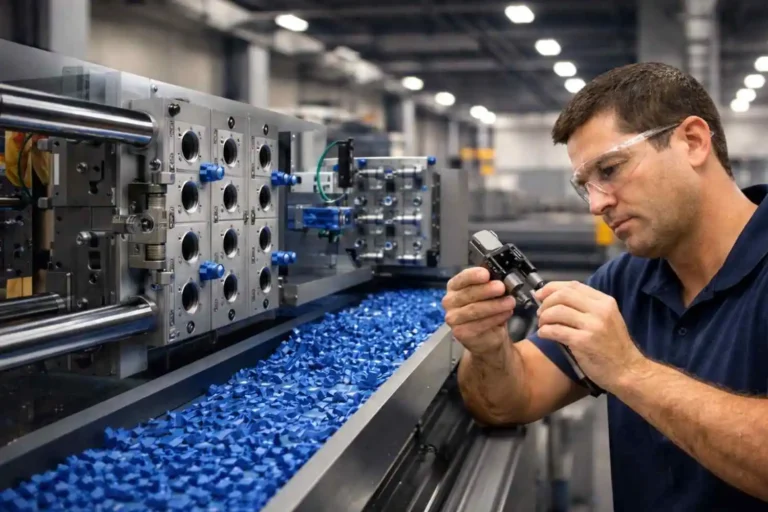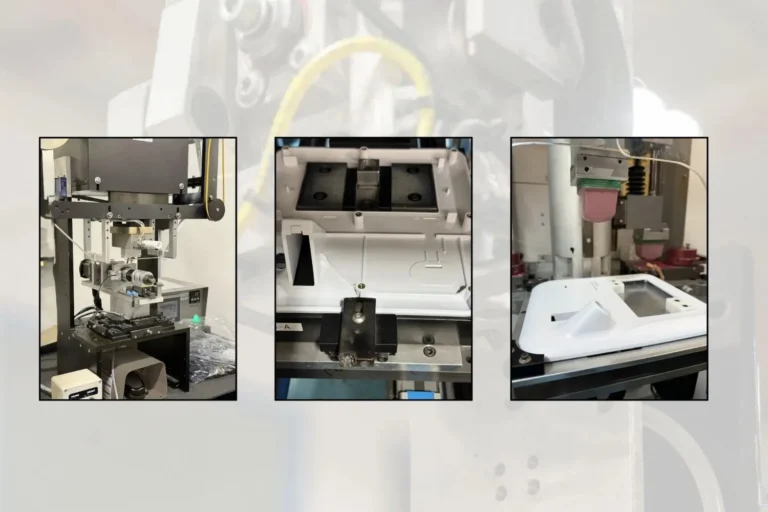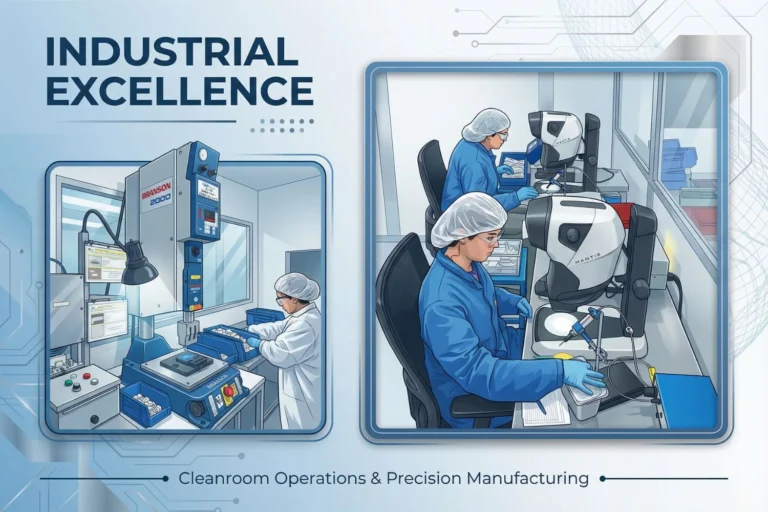
A product design can meet every functional requirement and still create problems during injection molding in Chicago. An expert plastics molding engineer understands this difference and reviews the design from a manufacturing perspective before tooling begins.
They look at how the part geometry, material, and individual features will behave during molding. They also consider how those decisions could affect tooling, part quality, assembly, and production. This gives them a chance to identify concerns while design changes are still easier to make.
In this article, we discuss what an expert injection molding engineer actually reviews before production and why each review matters.
1. Part Geometry
A quality-focused injection molding engineer starts by looking closely at the part geometry. They examine wall thickness, ribs, bosses, radii, corners, and transitions to see how these features will behave during plastic injection molding in Chicago.
Here, wall thickness matters because the plastic needs to fill and cool consistently throughout the part. Sudden changes from thick to thin sections can affect material flow and cooling, which may contribute to sink marks, warpage, or internal stress.
The engineer also looks at complex features and assesses if the shape can be molded consistently without compromising the design intent. That early view helps address potential manufacturing problems before they reach the tooling stage.
2. Draft and Ejection
A quality-focused injection molding engineer also reviews how the part will leave the mold after it is formed. This makes draft angle and ejection important parts of the review for plastic injection molding in Chicago.
Here, the engineer looks at vertical walls, draft direction, undercut features, and the planned ejection system. These features determine whether the molded part can separate from the mold without excessive force or surface damage.
Note that poor draft can make the part harder to release and may lead to drag marks, deformation, or damage during ejection. However, reviewing these details early helps address such concerns before tooling begins.
3. Material Selection
The right resin needs to do more than meet the part’s functional requirements. It also needs to behave predictably during the injection molding process. A quality-focused engineer therefore considers properties such as thermal resistance, mechanical strength, melt flow, and shrinkage before production.
These properties can affect how the material flows through the mold, cools after injection, and maintains its dimensions. Resin behavior can also influence dimensional stability when the part moves from molding into its final application.
Always remember that a material may look suitable on paper but still create processing challenges. That is why material selection needs careful attention during the early stages of plastic injection molding in Chicago.
4. Gate Location and Material Flow
Did you know that where the molten plastic enters the mold can affect how it travels through the entire cavity? That makes gate location an important part of the engineering review, especially when the part has complex geometry or long flow paths.
Hence, expert plastics molding engineers always consider flow length, filling balance, injection pressure, and the final surface requirements. Mold flow analysis can help them understand how these factors may affect material flow and cavity filling before production begins. This helps identify potential filling issues early and allows the gate strategy to be adjusted before tooling is built.
A well-planned gate location can therefore support more consistent filling, better part quality, and a more predictable process for plastic injection molding in Chicago.
5. Tolerances and Critical Dimensions
Not every dimension on a molded part needs the same level of precision. Some dimensions directly affect function or assembly, while others can accommodate normal molding variation.
That’s exactly why a quality-focused engineer always identifies which dimensions are truly critical and reviews them against the part’s functional requirements. They consider GD&T, tolerance stack-up, inspection requirements, and the process capability needed to achieve those dimensions consistently.
Doing this matters because overly tight tolerances can make a part harder to produce consistently without adding real value. Realistic tolerance requirements, on the contrary, help maintain dimensional accuracy while keeping the molding process practical. That balance becomes especially important when producing components for demanding applications through plastics manufacturing in Chicago.
6. Cooling and Cycle Time
An expert engineer understands that cooling can affect both part quality and production efficiency. That is why they consider cooling channels, mold temperature, heat transfer, and cooling uniformity before production begins.
Here, the focus is on how evenly the part will cool after the plastic fills the mold. Uneven cooling can lead to differential shrinkage and warpage, while excessive cooling time can slow the injection molding cycle.
Getting this balance right can help maintain consistent part quality without adding unnecessary time to each cycle. It also gives plastics manufacturing companies in Chicago a more efficient and predictable production process.
7. Tooling Feasibility
Even a well-designed part needs to work with a practical injection mold. A quality-focused engineer therefore looks at the parting line, cavity and core arrangement, undercuts, and ejection strategy before tooling begins.
These details help determine how the mold will be built around the part. Deep undercuts, for example, may require slides, lifters, side actions, or mold inserts.
Each decision can affect mold complexity, maintenance, and cost. However, addressing these concerns before construction makes it easier to refine the design while changes are still manageable.
8. Production Volume and Machine Requirements
The expected production volume can influence how a part should be tooled and molded. A component needed in smaller quantities may require a different production approach than one manufactured at high volumes.
An injection molding engineer in Chicago considers the required output while evaluating shot size, clamping force, machine tonnage, cavitation, and cycle time. These factors help them determine whether the selected machine and mold configuration can support the required production rate.
9. Assembly and Inspection Requirements
A molded part often needs to work with other components after it leaves the mold. Its features may need to support a press-fit, snap-fit, insert integration, or another type of assembly. A quality-focused engineer considers these requirements while reviewing the part design. They also look at critical-to-quality features and how those features will be inspected once the part is molded.
This matters because a part can mold successfully and still create problems during assembly or inspection. But considering these requirements early helps ensure the molded component works as intended beyond the molding process.
10. Potential Defects and Process Risks
Many molding defects can be traced back to decisions made during the engineering and design stages. That is why a quality-focused engineer looks at potential risks before plastic injection molding in Chicago begins.
For example, uneven wall thickness can contribute to sink marks or warpage, while gate placement can affect weld lines and filling. Poor venting may also contribute to air traps or burn marks.
Reviewing these risks early gives the engineer an opportunity to address their causes before they become production problems. This makes defect prevention part of the pre-production process rather than relying only on final inspection.
11. DFM Review
All these engineering considerations ultimately come together during a Design for Manufacturability review. DFM gives the engineer a chance to look at the complete part and assess how its design will perform within the actual molding process.
The review brings several questions together:
- Can the part be molded consistently?
- Does the geometry support practical tooling and ejection?
- Will the selected material behave as required during molding?
- Can the required tolerances be achieved consistently?
- Can the mold and machine support the expected production volume?
- Are there design features that could create quality or process risks?
The goal is not to change the design simply to make manufacturing easier. It is to preserve the design intent while identifying changes that can improve moldability, process consistency, and production readiness.
Conducting this review before tooling begins is important because design changes are still more manageable at this stage. This can help prevent avoidable tooling changes, production delays, and quality issues during plastic injection molding in Chicago.
Conclusion
Getting a part into production successfully takes more than knowing how to run an injection molding machine in Chicago. The right engineering decisions need to happen before the mold is built, when potential problems are still easier to address.
At Craftech, our expert engineers go the extra mile to review the part from a manufacturing perspective. They look beyond individual features to understand how the geometry, material, tooling, tolerances, cooling, and production requirements will work together. This helps identify potential issues early and build a more practical path from design to production.
Are you planning plastic injection molding in Chicago for your next project? Contact Craftech to discuss your part and manufacturing requirements with our engineering team.
FAQs
1. What Is a DFM Review in Injection Molding?
A DFM review evaluates whether a part can be molded consistently with practical tooling, materials, tolerances, and production requirements. It helps identify design concerns before tooling begins, when changes are easier to make.
2. When Should an Injection Molding Engineer Review a Part Design?
An injection molding engineer should review the part before tooling begins. Early review helps identify concerns with geometry, material selection, tolerances, ejection, tooling, and production requirements while design changes are still manageable.
3. How Does Design Affect Injection Molding Quality?
Part design can affect material flow, cooling, ejection, dimensional accuracy, and defect risks during molding. Reviewing these factors before production helps address potential problems before they become tooling or quality issues.