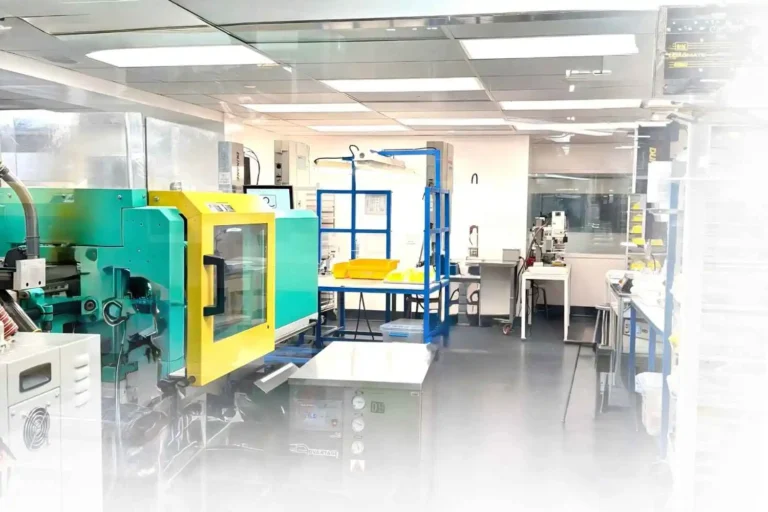
Are you wondering if vertical press molding is really necessary for insert molding applications? Well, the answer depends on the component being manufactured.
Some insert molded components can be produced successfully using conventional molding methods. But other components contain design features or permanently molded metal inserts that require much greater precision and manufacturing control to produce consistent results. Understanding what creates that difference is the first step toward choosing the right molding process.
This article explains why vertical press molding in Chicago is often the preferred choice for demanding insert molding applications. We also talk about how it helps manufacturers produce reliable, high-quality components with greater consistency.
Why Is Insert Molding More Challenging Than Standard Molding?
Standard injection molding is relatively straightforward. During this process, molten plastic is injected into a mold cavity, allowed to cool, and then ejected as a finished plastic component. Since only one material is being molded, manufacturers mainly focus on controlling the molding process itself.
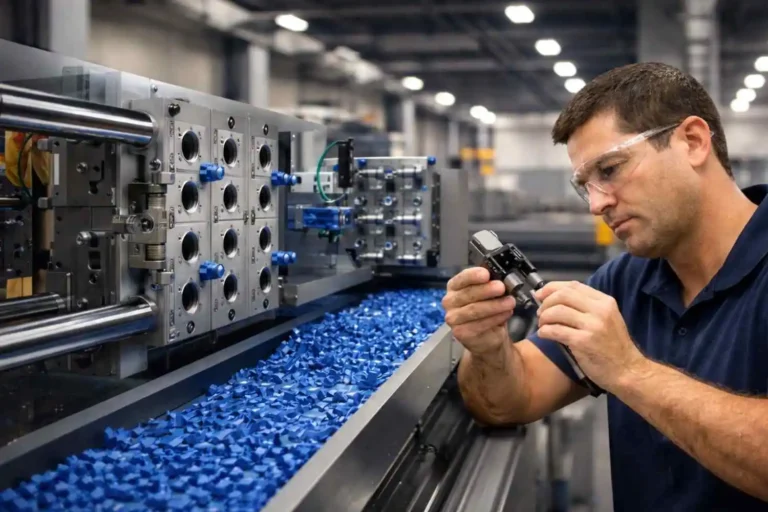
Insert molding introduces another level of complexity. Instead of molding plastic alone, manufacturers first place a metal component inside the mold. Molten plastic is then injected around that insert, permanently bonding the two materials into a single finished component.
That additional manufacturing step changes the entire process. Success now depends on more than molding plastic accurately. It also depends on keeping the insert perfectly positioned throughout the molding cycle. Even slight movement at this stage can affect the quality and performance of the finished component. This is exactly why many manufacturers choose vertical press molding in Chicago. It provides the stability and manufacturing control needed to produce precise, consistent insert molded components.
Why Does Insert Molding Require Greater Manufacturing Control?
Insert molding is commonly used when plastic components require greater performance than plastic alone can provide. Manufacturers often choose this process to improve strength, electrical conductivity, or other functional characteristics. They commonly use insert molding to permanently integrate components such as:
- Brass threaded inserts
- Steel pins
- Bushings
- Electrical terminals
- Contact inserts
Integrating these metal components directly into a plastic part improves the performance of the finished component. It also reduces the need for secondary assembly operations. However, it ends up introducing another manufacturing challenge. Plastic must now flow completely around a fixed metal insert without causing it to shift from its intended position.
Even slight insert movement during molding can affect alignment, dimensional accuracy, or the overall performance of the finished component. Maintaining that level of precision becomes even more challenging during high-volume production, where every component must be manufactured to the same standard. That is why manufacturers often turn to solutions such as vertical press molding in Chicago when insert molding applications demand greater manufacturing control.
What Problems Can Poor Insert Positioning Create?
Insert positioning directly affects the quality of the finished component. Even minor insert movement during molding can create manufacturing problems that become much more difficult to correct later. Poor insert positioning can lead to:
- Dimensional variations
- Misaligned threaded inserts
- Weak bonding between plastic and metal
- Electrical contact alignment issues
- Increased scrap and rework
- Assembly problems during later production stages
These issues affect much more than the molded component itself. They can increase production costs, slow manufacturing, and reduce confidence in the final product. That is why many manufacturers choose vertical press molding in Chicago. It helps maintain the stability, repeatability, and accurate insert positioning that demanding insert molding applications require.
Why Vertical Press Molding In Chicago Is the Better Choice for Insert Molding Applications
Maintaining accurate insert positioning is one of the biggest challenges in insert molding. The molding process must keep every insert stable while molten plastic flows around it. Even slight movement at this stage can affect the quality and performance of the finished component.
Vertical press molding is specifically designed to provide that level of control. Its vertical mold orientation allows gravity to naturally support insert positioning while the mold is being loaded and closed. This creates a more stable starting point before plastic enters the mold cavity, helping reduce the risk of insert movement throughout the molding cycle. That added stability creates several manufacturing advantages:
- More accurate insert positioning before injection
- Reduced insert movement during molding
- Improved dimensional accuracy and repeatability
- Lower scrap caused by insert misalignment
- More consistent plastic-metal components
- Better support for high-volume manufacturing
Accurate insert positioning helps maintain production consistency before it becomes a quality issue. It helps reduce manufacturing variation before it becomes a quality issue.
Each of these advantages helps create a more stable and repeatable insert molding process. That added manufacturing stability reduces production issues, improves repeatability, and helps manufacturers produce high-quality insert molded components with greater confidence. This is exactly why manufacturers across industries continue choosing vertical press molding in Chicago for demanding insert molding applications where precision and repeatability are essential.
Conclusion
Vertical press molding is ideal for insert molding applications because it provides the stability and manufacturing control needed to keep metal inserts accurately positioned throughout the molding process. That added control helps manufacturers improve production consistency, reduce defects, and produce high-quality insert molded components with greater confidence.
At Craftech Plastics, vertical press molding is one of our core manufacturing capabilities. Our experienced team combines precision molding with engineering expertise to help customers manufacture reliable insert molded components for demanding applications.
Looking for a trusted partner for vertical press molding in Chicago or plastic injection molding Chicago? Contact Craftech Plastics today to discuss your application and discover the right manufacturing solution for your project.
FAQs
Why is insert molding used?
Insert molding is used to combine plastic and metal into a single component. It helps improve product strength, reduce secondary assembly, and create durable parts with greater functionality and long-term reliability.
What types of inserts can be used in insert molding?
Insert molding can incorporate a wide range of metal components, including threaded inserts, steel pins, bushings, electrical terminals, and contact inserts. The type of insert depends on the product’s functional and performance requirements.
Which industries use vertical press molding for insert molding?
Vertical press molding is widely used in industries that require precise insert placement and consistent part quality. These include medical devices, electronics, automotive, industrial equipment, and electrical component manufacturing.